
Flashback: Recently, my wife and I were having lunch and I told her I was having trouble coming up with a new theme for my Tuesday blog posts and she suggested “Tricky Tuesday” as a way to share some of the different tricks, tips and techniques I’ve used over the years in the studio—and outside it too. Here’s another try at this new theme…
Today’s Post by Joe Farace
One question I’m often asked at presentations or workshops—after where do I find glamour models— is how do I approach boudoir or glamour sessions with a new model. Like most of what I do in the studio, there’s really no secrets: Even if I’ve previously photographed a model I use the same methodology, although the time spent on each lighting, clothing or background change might go a little faster if we’ve worked together before.
It’s All Pretty Simple
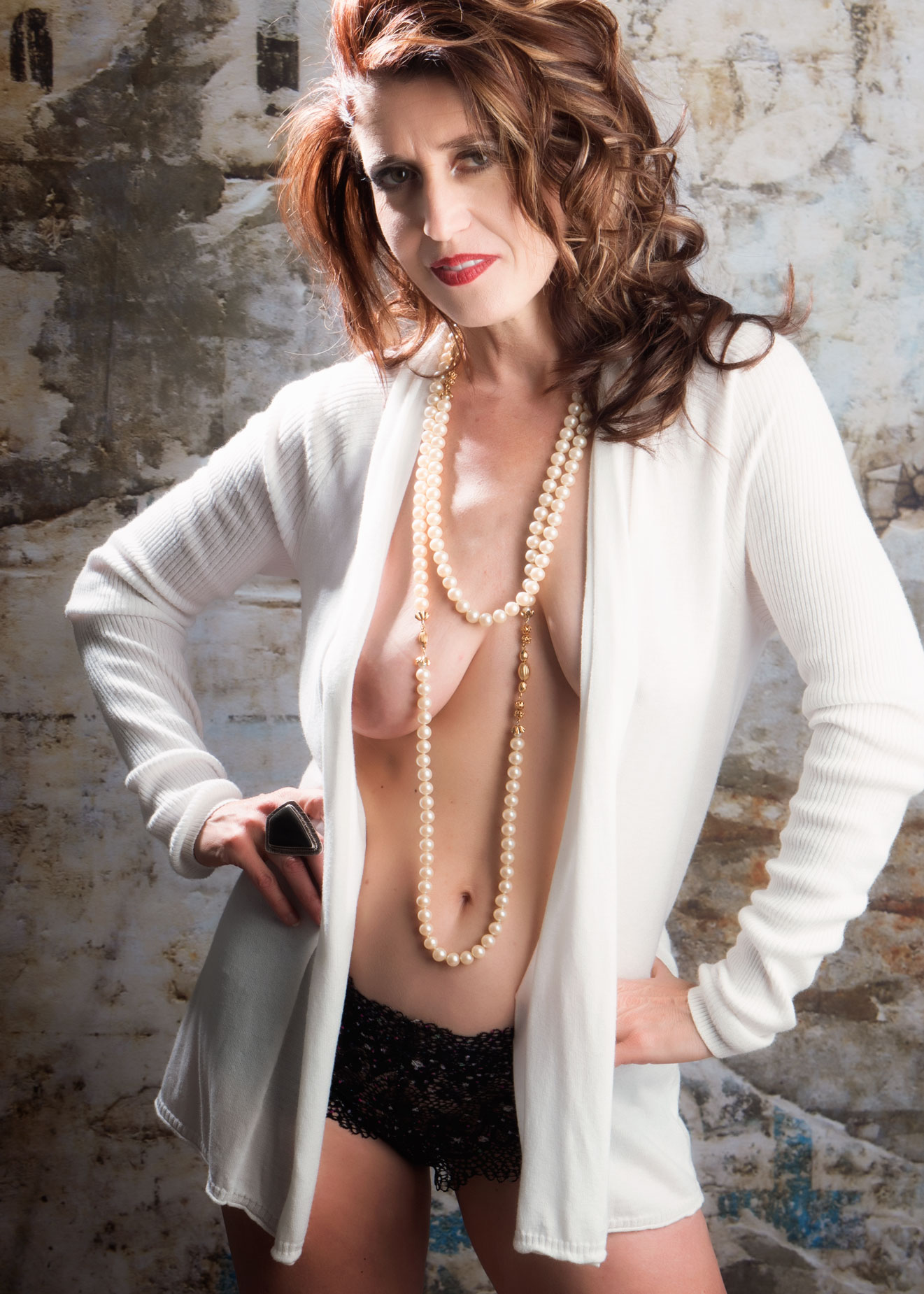 Step 1: Sign the Release: After a friendly greeting at the front door, the model and I head downstairs to the workroom that stores my image archives and is located right next to a full bath room (with shower) they can use for clothing changes and do their make-up and my in-home studio. We go over the model release first thing and I make sure she signs it before any photography begins, because it’s easy to forget this detail in the excitement of a shoot.
If you’re new to using models releases, my book Joe Farace’s Glamour Photography has several kinds of releases in its back pages that you can use for your own shoots. Over the years Ive modified these releases so that now I use a slightly different release for each type of modelling session, for example if the shoot is paid vs. TFP. These release are written in as much plain English as possible to minimize any of the model’s objections and still have it legally binding. Rarely, if the model has a specific request or objection, I will modify the release.
Step 2: Wardrobe:Even though I may ask a model to bring certain things to the shoot, I typically don’t know what wardrobe choices I will actually have to work with. She may not own any of my suggestions and I emphasize to her that they are just suggestions. Or maybe she not like the concept. It happens. Most times the model’s choice of wardrobe is a surprise to me and more often than not it’s usually a pleasant one.
How I made this portrait: For this series of shots of Bella Fire I mounted a 37 x 27-inch (94 x 68cm ) Plume Wafer Hexoval 100 Softbox softbox using a Balcar speed ring to attach it to a Paul C Buff DigiBee monolight. It was placed at camera right while a Westcott 16 x 30-inch Apollo Strip light (40 x 76cm) softbox that was attached to a Paul C Buff Alien Bee is at camera left and slightly behind Bella. The camera used was a Panasonic Lumix GH4 with a image-stabilized G Vario 14-45mm f/3.5-5.6 lens (at 45mm) with an exposure of 1/125 sec at f/7.1 and ISO 200.
 While we are in the workroom, the model and I look at the wardrobe options together. While discussing wardrobe, I think about what background and lighting choices I might use. We also discuss jewelry and make-up. If you haven’t figured it out yet, I prefer dramatic makeup. Before we moved to Daisy Hill, I had access to a wonderful makeup artist but it’s too far of a drive for her now . Although there are exceptions, (I have met a few) having an artist do a model’s makeup produces better results than what most models can usually create, as well as minimizing the amount of retouching needed later on.
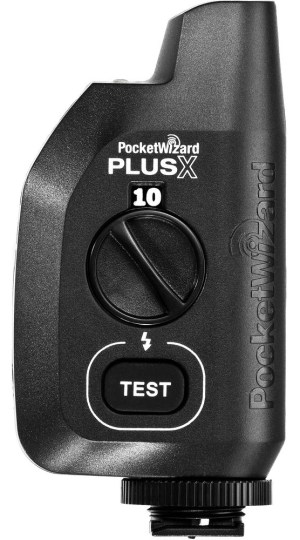
Step 3: Lighting/Background: While the model is changing and doing her make up, I set up the background and lighting equipment that I plan to use for, at least, part of the session. For the featured photograph, a Lastolite Distressed Paper collapsible background was used as backdro. It was leaned up against a background that was already hanging from my JTL background stand. These days, my studio lighting gear consists of one of Paul C Buff’s Alien Bees B800 and two DigiBee DB 800 monolights. The monolights are synced using an affordable Pocket Wizard Plus X attached on the main light with another Plus X on the camera.
Step 4: Shoot. When the model walks into the studio, I place her approximately in the position where I want her to stand and then make a few test shots before making some tweaks to the placement of the lights and adjusting exposure by checking the image’s histogram. I may go through this process a few times before I’m ready to shoot as part of the warm up procedures I like do with all models, regardless of whether we’ve worked together before.
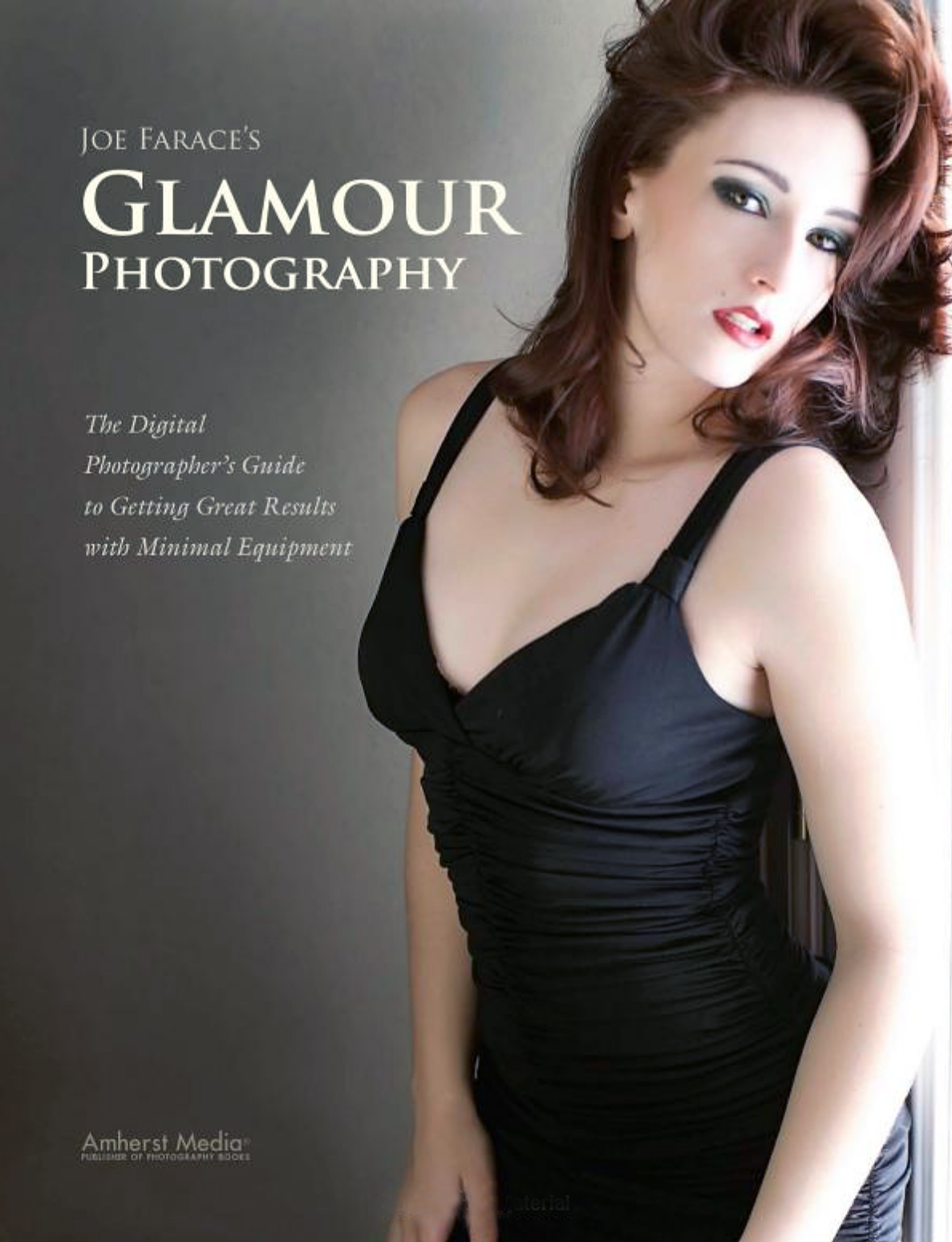
My book Joe Farace’s Glamour Photography is full of tips, tools and techniques for glamour and boudoir photography and includes information on the cameras and lenses used as well as the complete exposure data for each image. New copies are available from Amazon for $30.54 with used copies starting around ten bucks as I write this. The Kindle version is $19.99 for those preferring a digital format.