
Saving the World one pixel at a time
Blog
Protected: Halloween 2026: Glamour Photography
Password Protected
To view this protected post, enter the password below:

How to Correct Color in Underexposed Portraits
Out here in the real world, everybody makes mistakes and sometimes when making portraits, I loose track of my camera settings, don’t keep up with changing lighting conditions or simply forget to chimp if I’m shooting with a digital camera.

How to Photograph Different Types of Portrait Subjects
Any portrait shoot is a team effort so its important that you talk to your subject and discuss what you and they would like to accomplish during a shoot. Many times I’ve seen photographers shooting portraits but expecting the subject to do all the work. Sometimes that approach works and sometime it doesn’t.
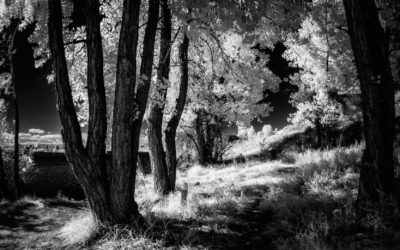
Monochrome Monday: Mirrorless Cameras vs DSLRs
When I went to the UPS Store to return these lenses to the manufacturer, I felt a sigh of relief as if a burden had been lifted from me. The three lenses along with shipping box and brown crunchy packing paper weighed 25 pounds.

Some Recent Trends in Portrait Photography
What follows isn’t based on any scientific or statistical analysis but instead is a highly personal overview of the style of portraits I see on social media these days, especially Instagram.

Joe’s Book Club, Chapter 88, Too Many Books?
This morning Barry Staver and I will be attending the Colorado Pen Show. If you are interested in fountain pens and plan on being here, please stop us and say Hi! Today’s Post by Joe Farace Collect books, even if you don't plan on reading them right away. Nothing is...