
Today’s Post by Joe Farace
“By failing to prepare, you are preparing to fail.” ―
I think communicating with your subject is the most important aspect of making effective portraits. That process can start with the initial contact and then move onto verbal communication during the session but to produce the best possible photographs, I think you need to start the process before a subject arrives at the shoot.
Here’s a few suggestions…
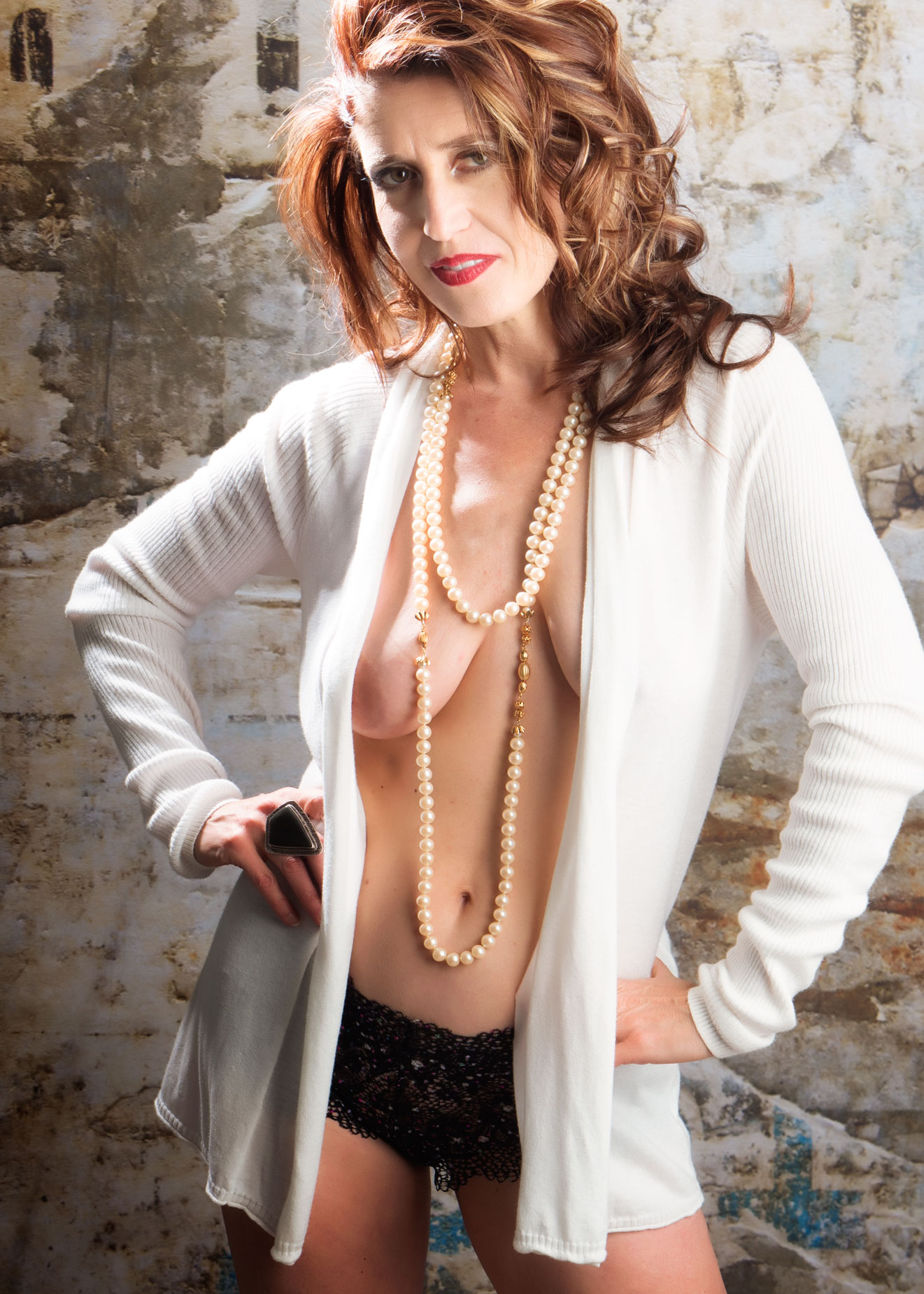 …that you can e-mail to a client before a shoot, which should translate into you making better photographs of them and provide a more pleasant shoot for both of you. Feel free to copy and especially improve on any of these ideas.
- Wear solid colors. Nothing detracts from a subject more than clothes with busy patterns. The best time for them to wear these kinds of outfits is for fun, not during a session when the emphasis should be on their face.
- Make sure their clothes fit. While this might seem obvious, many times I’ve seen subjects wearing ill-fitting clothes that distract a viewer’s attention away from them.
- The camera shows the truth. If a subject has skin problems, such as peeling from sun burn or incomplete tan coverage for the clothing they’re planning to wear, I suggest they reschedule. Makeup and retouching can correct minor problems but they’re not perfect Speaking of which…
- Makeup. No matter what style and color makeup a female subject thinks makes them look best, it may not look great under portrait lighting. Darker and more dramatic will photograph better. I once asked a client to change the color of lipstick she was wearing and she not only liked the photographs better, her husband liked the way she looked too.
How I made this portrait: For this portrait of mature model and burlesque diva Bella, the main light used was a Paul C. Buff DigiBee 800 placed at camera right with a 48-inch Plume hexagonal Wafer softbox attached. Another DigiBee 800 is at camera left and slightly behind Bella with a 18-OMNI Reflector attached that was softened with a diffusion sock. The camera used was a Panasonic Lumix GH4 with Lumix G Vario 14-45mm f/3.5-5.6 lens at 45mm with an exposure of 1/125 sec at f/7.1 and ISO 200. The background was a Lastolite reversible Distressed Paper collapsible backdrop.
- Hairstyles. For variety, I suggest that the subject style their hair slightly differently for each clothing change.
- Footwear. Wearing the right shoes can make as big a difference as the right makeup. I ask female subjects to bring, at least ,one pair of shoes with the highest heels they own and can walk in. Even if the shoes don’t appear in the portrait, high heels change a woman’s posture and adds to the portrait’s overall impact.
Finally, there’s an old photographer’s expression—ESP: Expression Sells Portraits. The expression on a subject’s face tells the story of who they are. If they only have one look on their face for all the shots—I see this all the time on Instagram—their portraits will appear monotonous. For some more of my thoughts on this subject, please read the post “What Is a Portrait After All.”
 If you enjoyed today’s blog post and would like to treat me to a cup of Earl Grey tea ($2.50), please click here. And if you do, thanks so much.
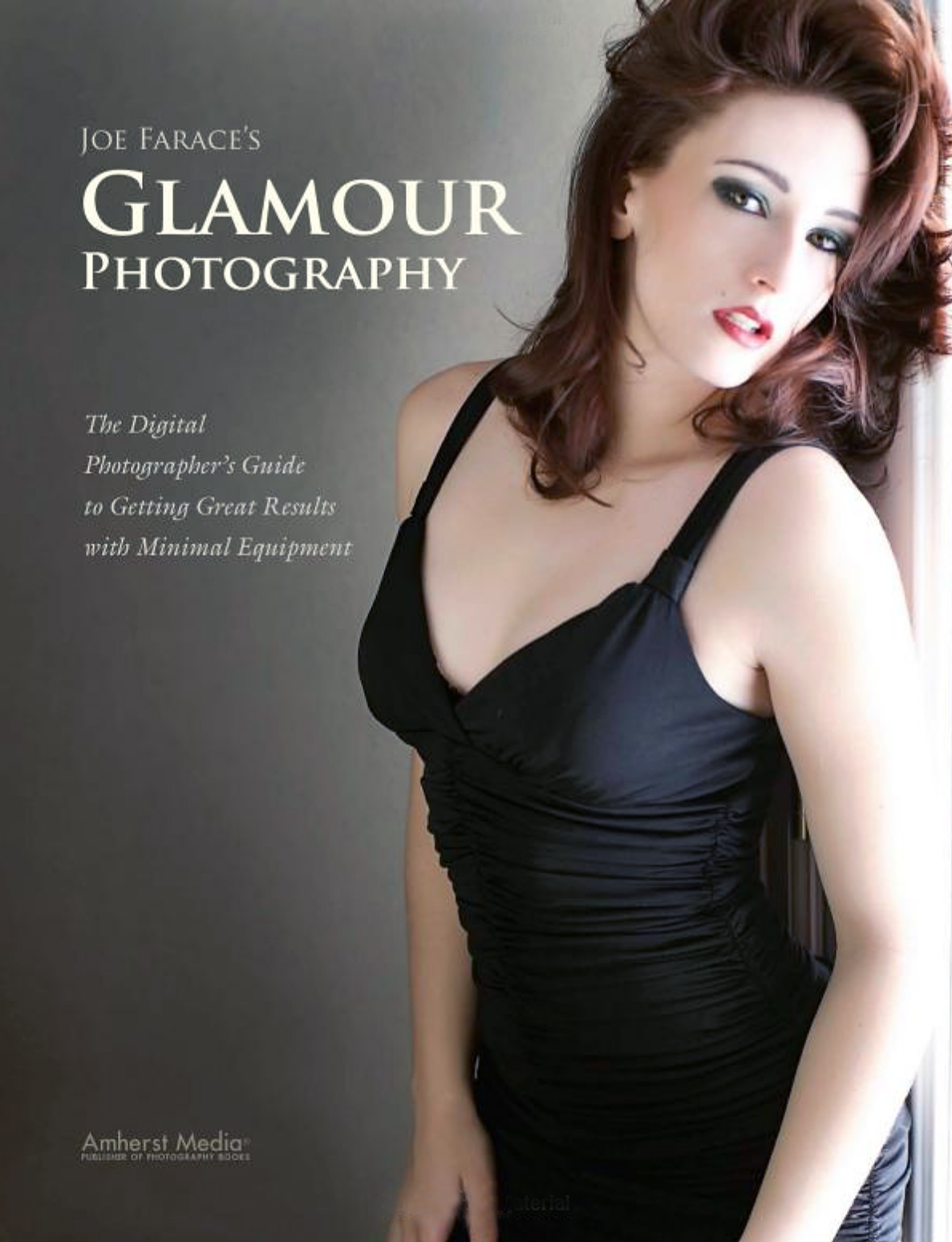
My book Joe Farace’s Glamour Photography is full of tips, tools and techniques for glamour and boudoir photography and includes information on all of the cameras used as well as the complete exposure data for each image. New books are available for $22.26 with used copies available from Amazon starting around ten bucks.as I write this. Kindle version is $19.99 for those preferring a digital format.