
Today’s Post by Joe Farace
Life is a painting, and you are the artist. You have on your palette all the colors in the spectrum – the same ones available to Michaelangelo and DaVinci. —Paul J. Meyer
Monochrome photography is photography where each position on an image can record and show a different amount of light but not a different color. The majority of monochrome photographs are black-and-white, either from a gelatin silver process or as digital photography. Other hues besides grey can be used to create monochrome photography… —from Wikipedia
 Not every photograph you make needs to be in color; sometimes a black and white or a toned monochrome image can tell a better story.
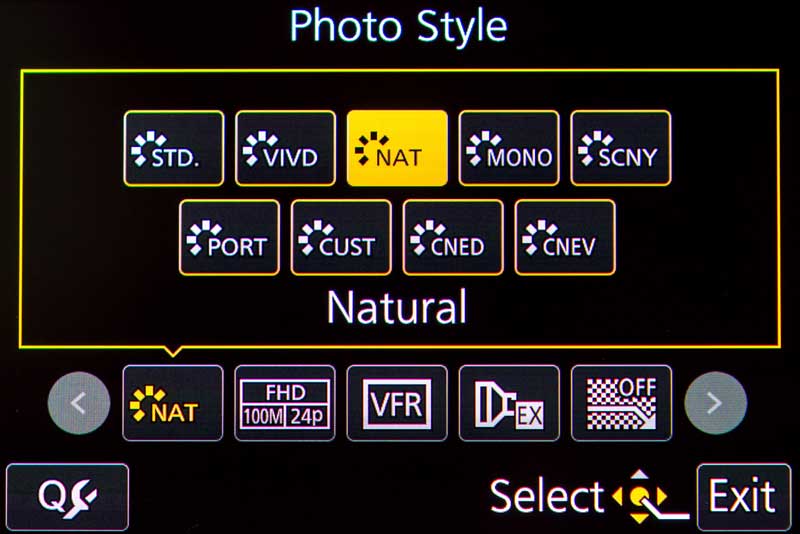
A monochrome image doesn’t always mean that it’s made in black and white or even sepia tones. Sometimes you might want to add a dash of color but not too much! That’s when your camera’s built-in digital toning modes—or Photo Styles as they re called in Canon and Panasonic Lumix (at right) cameras may come in handy.
When shooting in monochrome mode, most DSLR and mirrorless cameras will let you apply different toning effects including Sepia, Blue, Purple, Green, or maybe None if that’s your jam. Many times these effects can be modulated by applying in-camera filters, much as using on-camera color filters with film photography. You can see these kind of effects applied digitally in my post Using Digital Color Filters for Black & White Portraits. Film camera-style digital filters and toning effects can even be applied together and since you get to see the results right away on your LCD screen or in your mirrorless camera’s EVF, you can decide if you like how the effect looks or if want to make some changes.
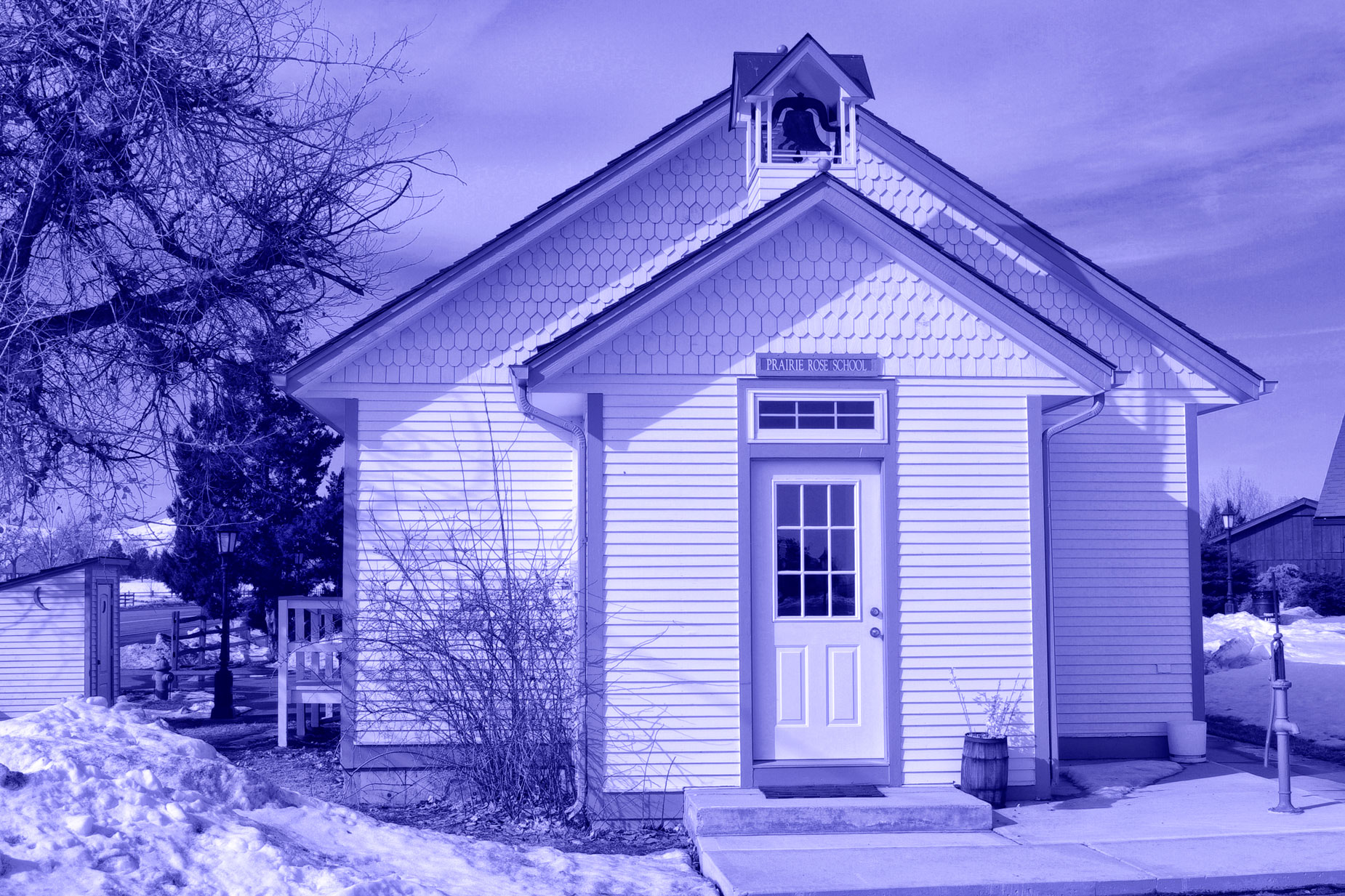
When it come to what kind pf digital toning effect works best, there is no one-size-fits all approach! Like all special effects, it depends on the subject, the image’s original colors (if you want to provide a visual hint) and the mood you’re trying to achieve. It all boils down to one of Farace’s Laws: All special effects are subject dependent. When’s the last time you heard the words “mood” and “digital” in the same sentence but that’s what in-camera monochrome filters and toning capabilities are all about.
How I Made the above image
It was a chilly day when I made this photograph of a one-room schoolhouse at the Adams County Historical Museum using a 10-megapixel Samsung GX1—yes, they used to make cameras. This particular camera model was a joint venture between the company and Pentax who produced a similar version called the K10D. Both DSLRs used an APS-C sized (23.5 x 15.7mm) CCD sensor. That’s the same CCD sensor that’s beloved by today’s shooters because of its film-like rendering of images. The lens used was a Schneider D-Xenon 18-55mm F3.5-5.6. The Aperture Priority exposure was 1/90 sec at f/16 and ISO 100 with a plus one-half stop exposure compensation to compensate for light reflecting off the snow in the scene. The image was initially converted in camera into black and white using the camera’s Digital Filter feature. Then it was saved and converted into a toned version using the camera’s (blue) Color Filter. Afterwards, it was further, but lightly tweaked in Vivenza to produce the final result you see here.
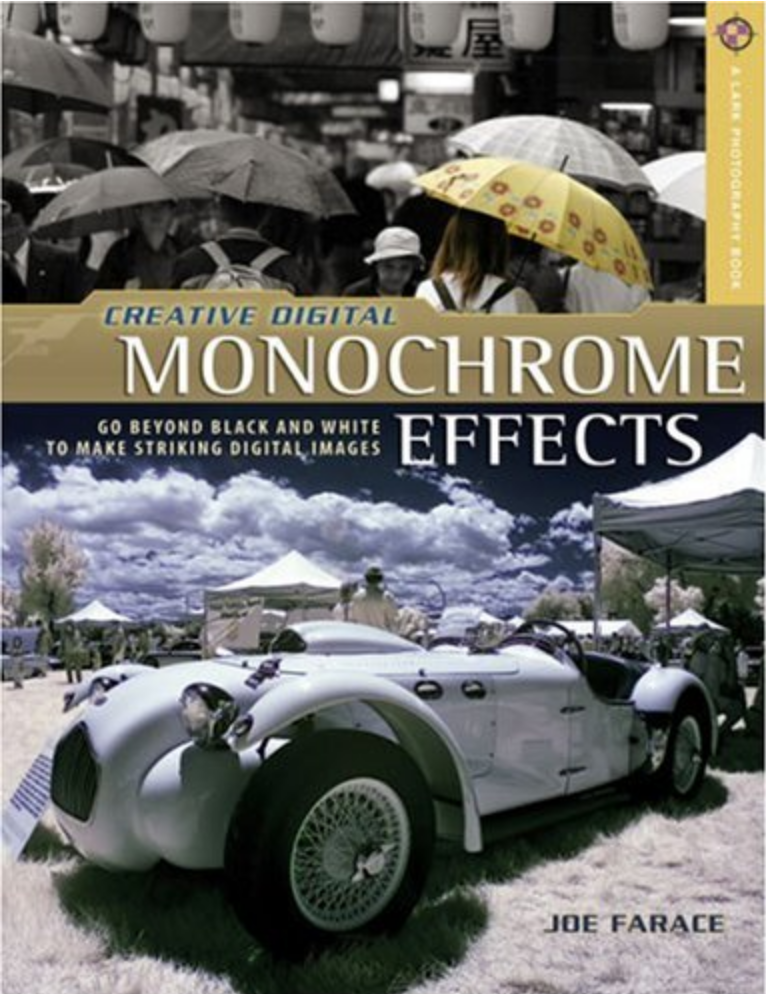
My book Creative Digital Monochrome Effects is available from Amazon and even includes a chapter on infrared photography. New copies are selling for $11.46 with used copies starting around seven bucks! There’s no Kindle version of the book available.