
It’s “Tricky Tuesday,” a way for me to share some of the tricks, tips and techniques that I’ve used over the years when shooting portraits in the studio, Today’s post features the incredible Erin Valakari and this particular image is from our first shoot together. And for all the testudines fans out there, today is also World Sea Turtle Day.
Today’s Post by Joe Farace
“When you take a photograph of someone, you take a portrait of their soul” —
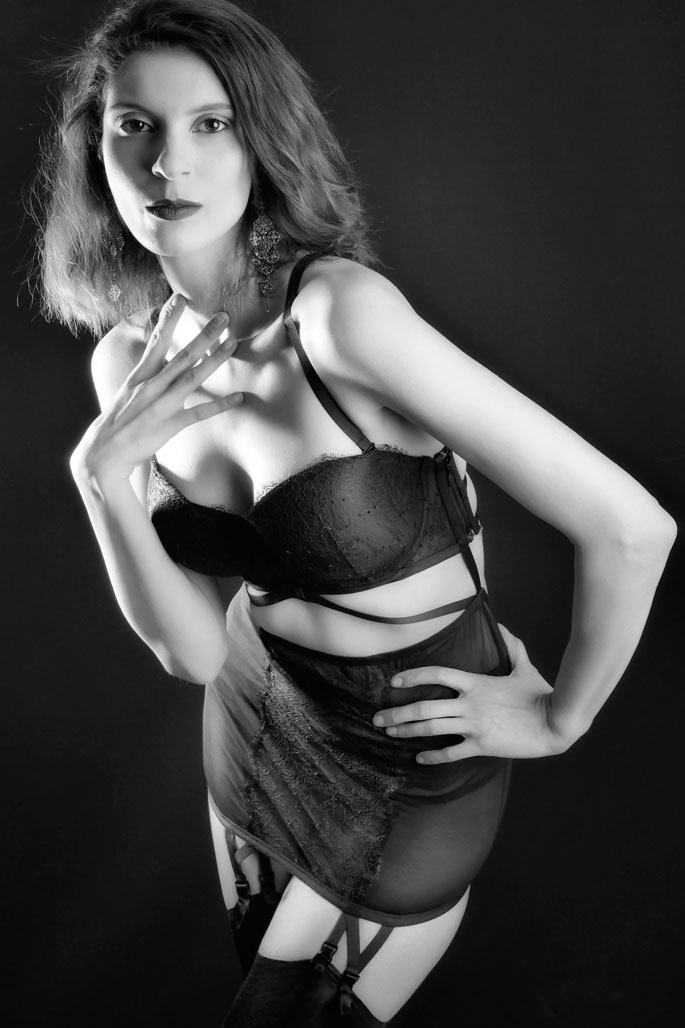 I’ve said it before: Portrait posing is part art and part craft. How to pose portrait subjects is an art because it combines reality with what you and your model can accomplish on any given day. But posing a portrait subject against a solid color seamless paper background is the ultimate test of your ability to make something from nothing. What this boils don, in real world terms, is that all that stands between you and a creating a good portrait is your imagination.
If few portrait subjects, or photographers, for that matter, are perfect, no single pose if perfect either! That means that some compromises are inevitable and any “rules” that you hear from me or anybody else should only be considered suggestions to help get you started. Remember, as Richard Avedon once said: “A portrait is an image of a person who knows they are being photographed.”
It’s All About the Pose
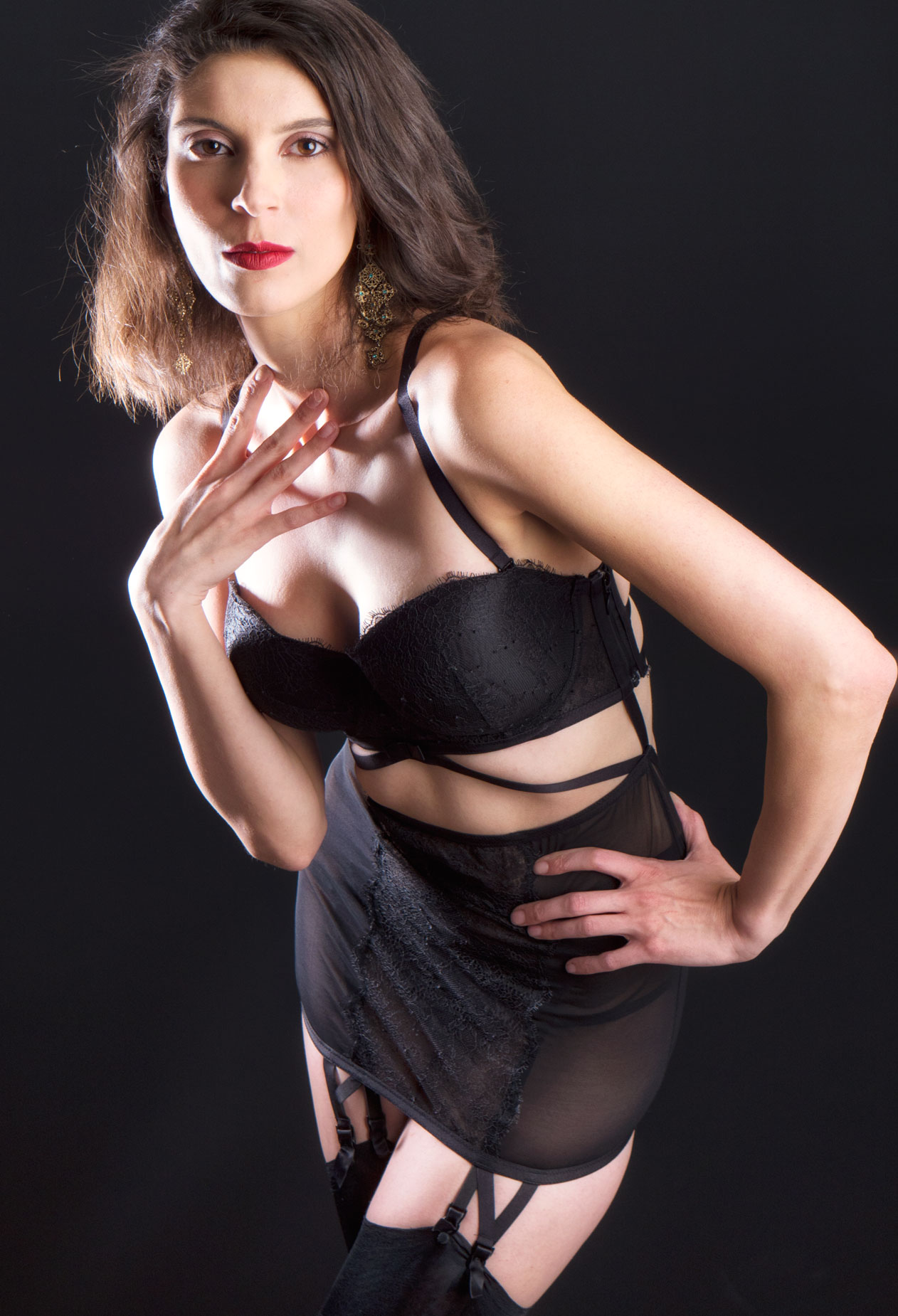
Backdrops may not be the main focus of a portrait but they can not only enhance an portrait, they can improve it in many ways by placing all the photograph’s emphasis on the subject. Yet, a background can be as much an important part of the photograph as the person standing or sitting in front of it. Using that same background, unlit and barely visible, the subject becomes the main focus and the background is reduced to a supporting role. On the other hand, a complicated, colorful and busy background can completely change the portraits mood, as you can see here with the same model.
The difficulty of posing with seamless paper or a solid colored background arises from the lack of elements for your subject to engage with. This means that your posing directions are going to have to be more precise than normal and you better cross your fingers that the subject is inner directed because when working with seamless it’s just the subject and your talent.
 There are some intangible benefits when working with seamless backdrop. When selecting the right background, the person being photographed may feel special and that helps the final product and ultimately your bottom line. By working with different colored backdrops you can experiment so you’re ready for anything. It used to be, in the not-so-distant past that seamless paper was an inexpensive option but that no longer seems to be the case, so you need to be a smart shopper. Kate seamless paper seems to be the exception and has affordable prices. I have not used their products as of yet, they are on my list to try.
How I made this photo: When shopping for backgrounds try to find one that complements the subjects without competing with them and that’s why the most classic of all backgrounds is solid colors like today’s featured portrait.
I photographed the wonderfully talented Erin Valakari in my 11×15-foot home studio. Lighting was provided by a Paul C. Buff DigiBee 800 with Plume Ltd Wafer softbox attached and used as the main light. It was placed at camera right. An AlienBees 800 with a 16 x 30-inch Westcott Apollo Strip soft box that was located at camera left with another DigiBee with a 48-inch Dynalite Quad Square black/silver umbrella placed in the back far left corner of the studio. Paul C Buff is not a sponsor of me or this blog. I do not get a single penny from you clicking those links; they are provided for your convenience.
Here’s another black & white and color challenge. What version do you like best? The above right image in monochrome of the image at left in color? Erin was photographed against a (it’s not paper but it’s seamless) black Savage Universal’s Infinity vinyl backdrop that was hung from my JTL background stands. The camera used was a Panasonic Lumix GH4 with a Lumix G Vario 14-45mm f/3.5-5.6 lens (at 45mm.) The exposure was 1/125 sec at f/8 and ISO 200.
 If you enjoyed today’s post and would like to support this blog, please consider making a monthly contribution via Patreon. Memberships start at just $1.25 a month, with other levels support of $2.50 and $5 that include special benefits.
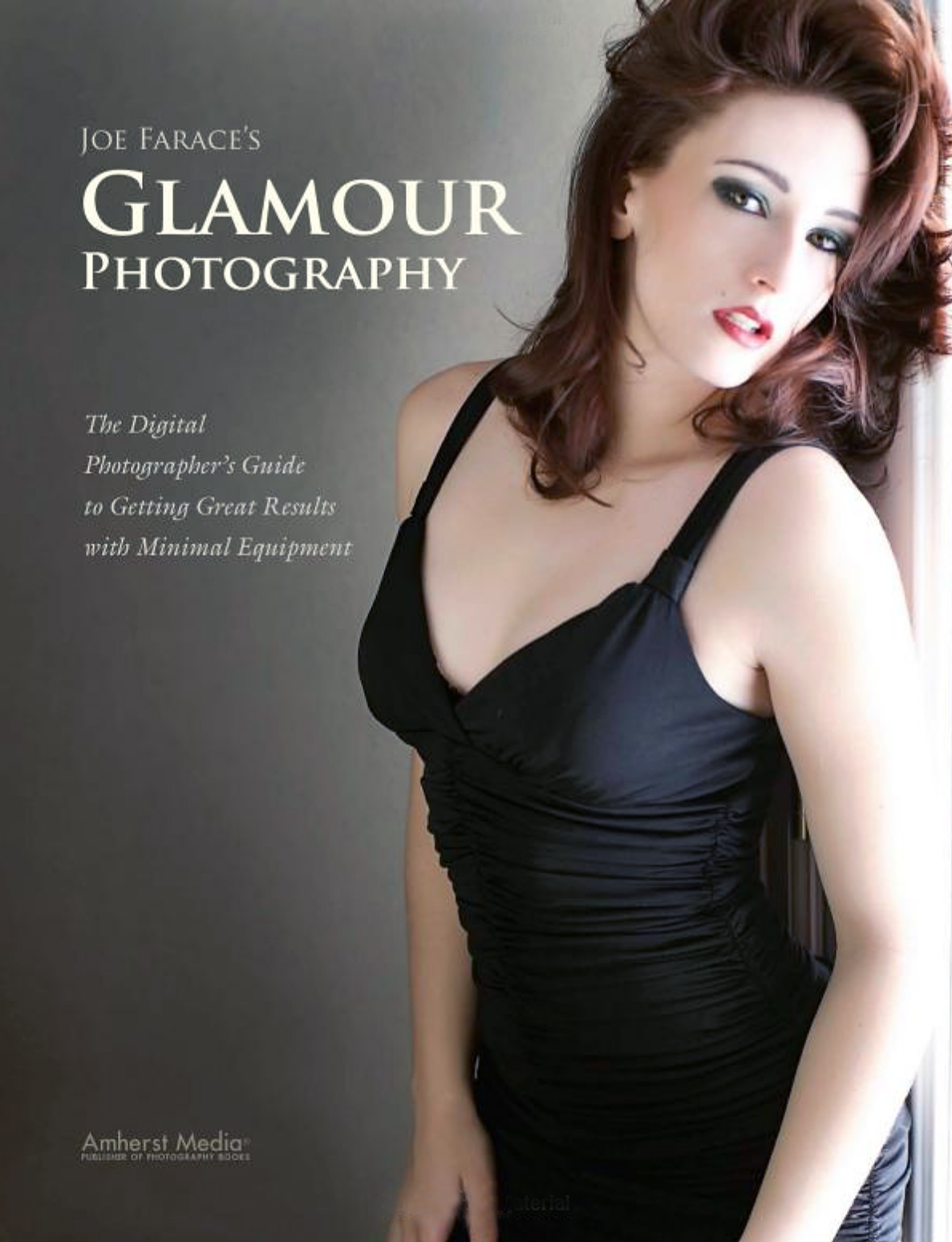
My book Joe Farace’s Glamour Photography ($34.45) is full of tips, tools and techniques for glamour and boudoir photography and includes information on all of the cameras used as well as complete lighting and exposure data for each image. Used copies start around $30. as I write this. The Kindle version is $19.99 for those preferring a digital format.