
Today’s Post by Joe Farace
I once did a model shoot alongside two famous photographers and was struck by the differences between their approaches. One guy talked to the model ahead of time but when he started shooting never said another word—each pose was pre-planned. The other photographer gave the model precise directions for each pose that were to the quarter-of-an-inch of a pinkie pose and wouldn’t make any image until he thought her pose was perfect.
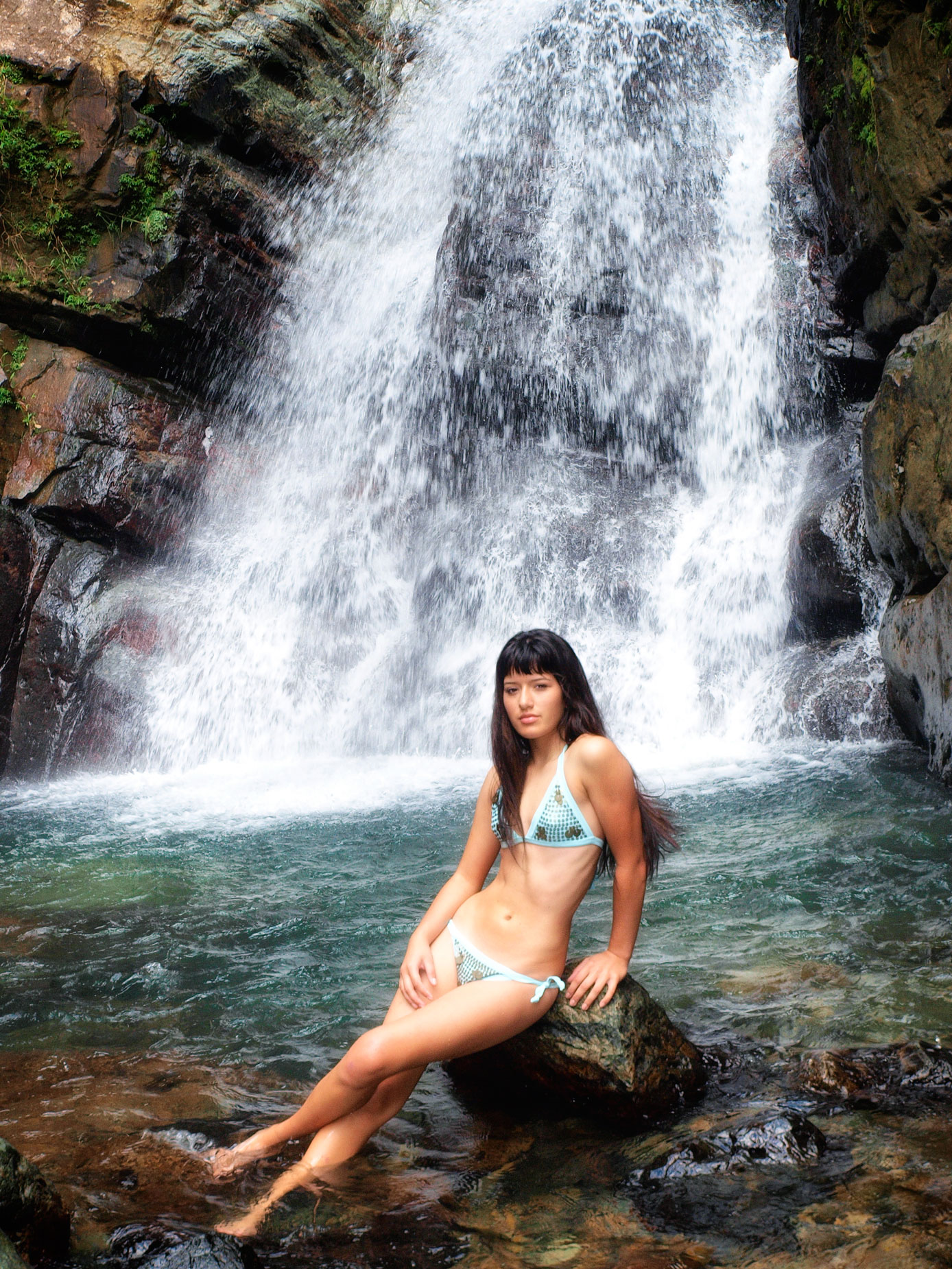 One of the most crucial elements in creating portraits is knowing how to pose your subjects. You can photograph a beautiful woman but if her pose is awkward, clumsy or unattractive, it reduces your ability to sell any photographs from that session. And it doesn’t matter if the portrait is for Momma, the Web or her Significant Other. Here are a few suggestions:
- Keep it natural. If your subject cannot easily put her body into a pose you’re suggesting, then it’s probably not a good pose. Poses should flow naturally and when a subject is placed in a good pose, it shouldn’t look like a pose at all. Instead the subject should look natural, at ease, and most importantly comfortable. That’s not to say a pose can’t be dramatic or exciting but in general when anybody looks at the photograph and is thinking about the pose more than the subject, it’s probably not a great pose.
How I Made this Shot: The higher you are in Puerto Rico’s El Yunque rain forest, the more it rains. Maximum amounts at the forest’s highest elevations, such as at La Mina Falls picture here reach over 250 inches annually, while lower receive only 50-60 inches. I photographed this young model at the bottom of the falls during a press trip back when these kinds of events were held. The camera used was an Olympus E-3 DSLR that was part of their Four-Thirds system, not the Micro Four-thirds mirrorless system that replaced it. Lens was the fabulous 12-60mm f/2.8-4 (at 12mm) with an exposure of 1/100 sec at f/6.3 and ISO 200 while testing the cameras capabilities to work with multiple speedlights.
- Avoid clichés. Just as lighting techniques vary with fashion, so do poses. Take a look at magazines from the fifties or sixties as examples of what not to do—unless you’re going for a retro pinup or cheesecake look. In that case embrace the clichés. Current portrait styles are more natural, a word that should be stuck in your head when placing a subject in any pose.
- Let your model sit or lean on a prop. Nothing is harder for a portrait subject than standing in one place and trying different poses. Look to see if your model has something to lean or sit on. If you’re outdoors, have her lean against a rock, tree, car, wall…anything! You’d be surprised how quickly a portrait that looks and feels awkward while the subject is standing becomes elegant and natural if they are given a comfortable prop to work with.
- Hide any flaws. Look for your subject’s strong points and accent those. Are her eyes particularly beautiful? Does she have flowing hair or long attractive legs? These are all aspects to consider since they not only will make a better portrait but could also increase sales from the portrait session.
Everybody’s different and you should work with the subject in a manner that’s comfortable for you too.
 If you enjoyed today’s blog post and would like to buy Joe a cup of Earl Grey tea ($3.50), click here. And if you do, thanks so much.
My book Joe Farace’s Glamour Photography is full of tips, tools and techniques for glamour and boudoir photography with new copies available from Amazon for $33.42, as I write this. Used copies start around twenty-three bucks. The Kindle version available at $19.99 for those who prefer a digital format.