
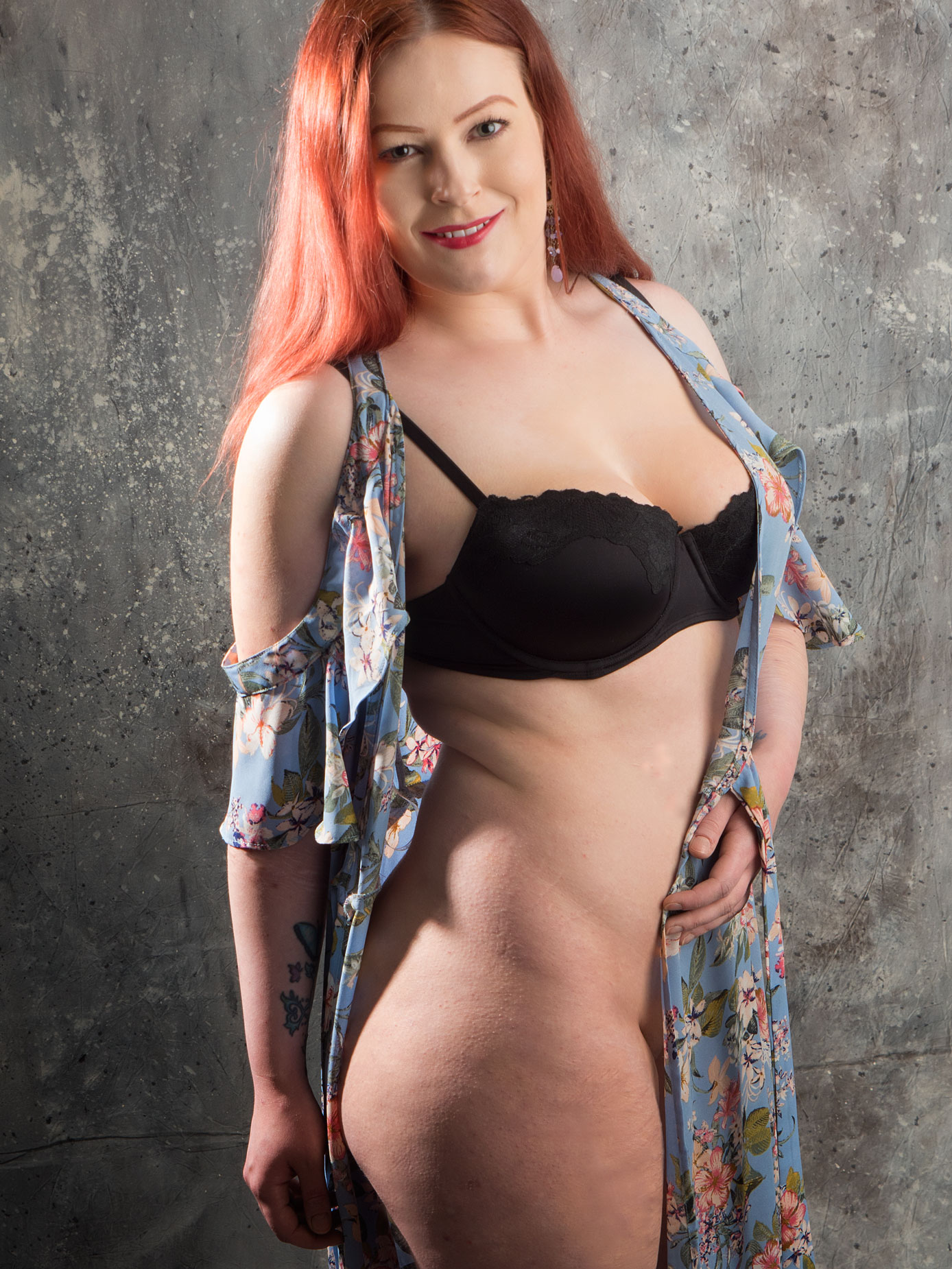
It’s not just the day after April Fool’s Day, it’s National Reconciliation Day. Today offers an opportunity for some of us to mend relationships we may have damaged through our words or actions. It’s also #anythingcanhappenday and today’s featured portrait showcases the talents of Kelly.
Today’s Post by Joe Farace
Practice does not make perfect, perfect practice makes perfect.–Vince Lombardi.
Arthur Rubinstein, who is widely regarded as one of the greatest pianists of all time, once said “If I neglect my practicing one day, I notice; two days my friends notice; three days the public notices.” Seven-time Grammy-winning pianist Emanuel Ax says that he practices four hours a day. I think that, as photographers, we should practice too.
Perfectly Practicing Practice
One question I’m often asked by photographers is where can they learn portrait lighting techniques? If you haven’t already figured it out yet by the post’s title, I’ll repeat it: I believe the best way to learn portrait lighting is by doing it. You know, practice.
 This opinion is not to sell short the different convention and program speakers who present their lighting techniques to rapt audiences at trade shows and seminars. Far from it. I think these kinds of programs can be especially useful to photographers at the beginning phase of learning about portrait lighting, although, truth be told, it’s a never-ending process.
These kinds of learning experiences can also helpful on the other end of your learning curve, when you think you’ve learned everything about lighting only to find out you don’t. That’s why workshops and seminars can inspire you to try new things as well as refine the techniques you’ve already been practicing. In between these kinds of learning experiences, it’s learning by doing. The best way to get to Carnegie Hall, as the story goes, is practice, practice and practice some more. To help photographers get started in studio lighting, I used to offer one-on-one workshops though this blog but haven’t in a long time. If there’s any interest from readers, maybe I’ll start then again. Just ask.
Practicing portrait lighting is not easy because you’ll need to have a subject to practice with. For many years I used my wife Mary as a subject but I also had access to other models who were interested in getting images for their portfolios. These days, models don’t seem to care much about portfolios or even tear sheets, which was a big deal not all that long ago. The trend seems to be, if it’s not on-line, it doesn’t exist. Nevertheless, if you don;t try, you won’t find any models. Over the years, I’ve posted several suggestions on how to find models and if you use the site’s Search function (magnifying glass icon) you cna read them but that still doen’t mean the process is easy.
How I Made this Portrait
I photographed Kelly in my 11×15-foot home studio: The main light was Paul C Buff”s DigiBee 800 monolight with 52x38x14-inch Plume Wafer Hexoval soft box attached. A second DigiBee 800 with an 18-inch Paul C Buff OMNI reflector with Triple layer diffuser was paced at camera left and left and slightly behind the subject. The camera used was a Panasonic Lumix GH4 with G Vario 14-45mm f/3.5-5.6 lens at 45mm with an exposure of 1/125 sec and f/9 and ISO 200. The background is a Carbonite muslin backdrop from Silverlake Photo Accessories.
Note for my Patreon Subscribers. After looking at the images I made for this session with Kelly, I realized I could produce a Bonus post in one of my uncensored Password Protected posts using some other images of her. If you are interested in seeing any of the other photographs from this session in a post, click CONTACT and let me know. If you are not currently a Patreon subscriber, it’s surprisingly inexpensive, details on how to sign up can be found here.
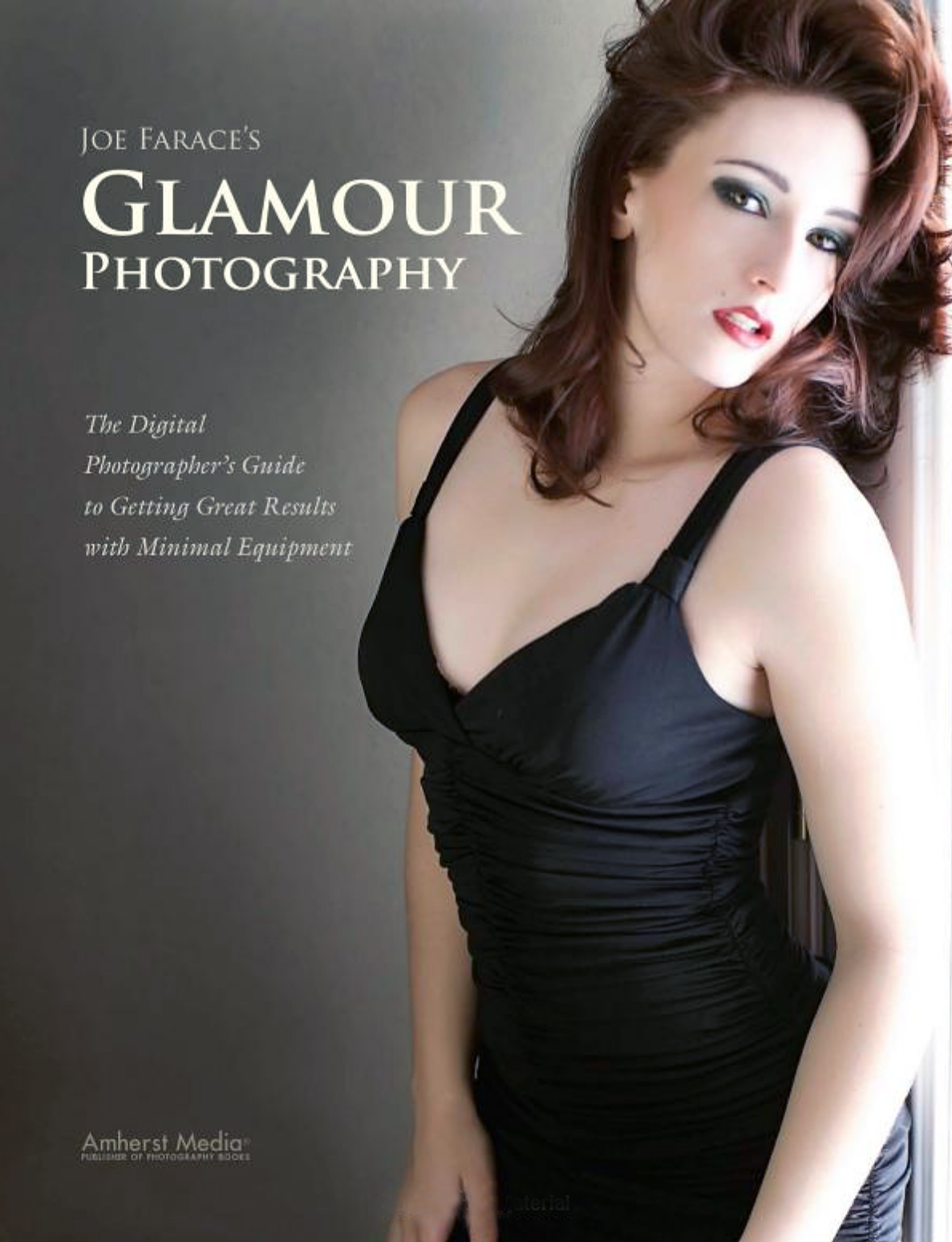
My book Joe Farace’s Glamour Photography is full of tips, tools and techniques for glamour and boudoir photography and includes information on all of the cameras used as well as the complete exposure data for each image. New copies are available for $30.80 with used books starting around twelve bucks.as I write this. The Kindle version is $19.99 for those preferring a digital forma