
Today on this Blog it’s #anythingcanhappenday. Lately I’ve increased the number of portrait-related posts and based on the increased number of page views, people seem to enjoy them.
Today’s Post by Joe Farace
“Well, the very first fuzztone that I ever heard about was designed by a guy named Paul Buff, the same guy who invented the Keypex and the Gain Brain and a number of other studio utensils.—Frank Zappa
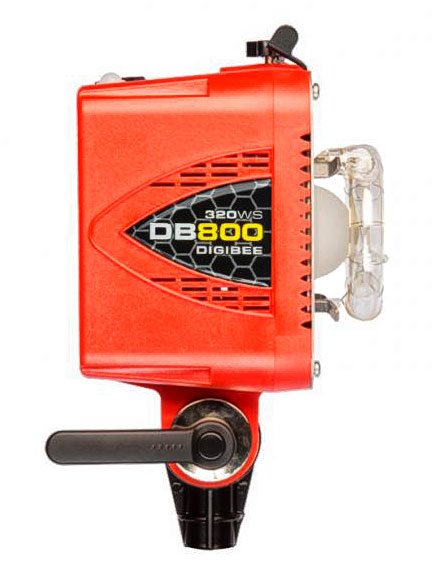 The late Paul C. Buff was a lighting innovator and photographic pioneer. Before that, he was an sound engineer, music producer, artist, composer, arranger, multi-instrumentalist and inventor who manufactured professional audio equipment. In 1980, Mr. Buff turned his attention towards studio lighting equipment and formed Paul C. Buff, Inc. with a focus on creating a practical and affordable studio flash system. The quality, performance and affordability of Paul C. Buff’s DigiBee and AlienBee monolights are why they are the standard lightning equipment in my home-based studio.
Using Paul C . Buff Studio Lights
My fondest memories of Mr. Buff was when I was writing a review of one the company’s amazing White Lighting monolights for Photomethods magazine and he called me to explain to the critical differences between the measurement of Watt Seconds output and Effective Watt Seconds. I fondly remember that conversation as if it happened yesterday.
Today I’m also reminiscing about the portrait session I had with professional comedian Denise Winkleman. The truth is that a portrait seldom represents reality. Instead it’s a snapshot of a point in time and though posing and retouching presents an idealized version of someone who knows that they’re being photographed.
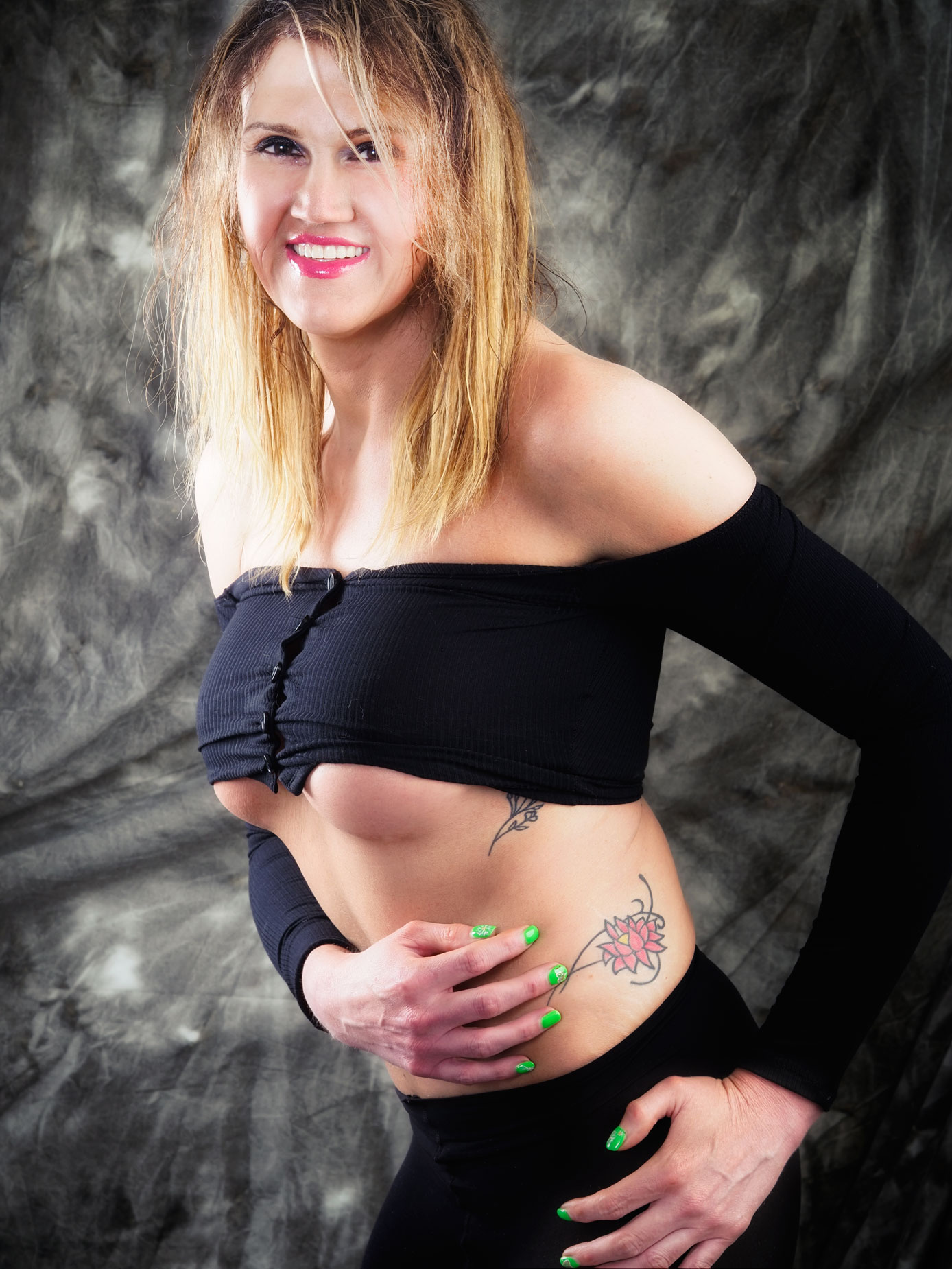 As far as posing is concerned, the point of any pose is not just to look natural, although that certainly is one objective but, perhaps, it’s also to tell a story. There are many ways that you can pursue that goal. Some photographers like to keep their posing subtle, while others are not so restrained. The above image, for example, is a classic Joe Farace-style studio shot where the subject is placed in a three-quarter pose and looking directly at the camera.For me, smiles are optional buy Denise has a radiant smile.
How I made this shot: I photographed Denise Winkleman in my home studio using a Paul C. Buff DigiBee 800 monolight with a Plume Ltd Wafer softbox attached and placed at camera right. An AlienBee 800 monolight with 16 x 30-inch Westcott Apollo Strip soft box was at camera left with a Digibee 800 with the 48-inch Dynalite Quad Square black/silver umbrella mounted that was located in the back of my studio. The camera used was a Panasonic Lumix GH4 with Lumix G Vario 14-45mm f/3.5-5.6 lens (at 45mm) with an exposure of 1/125 sec at f/9 and ISO 200.
No matter how you achieve a pose, it all starts with experience, observation and, most importantly, communication with the subject. In all of the various posts I’ve written about posing, I try write to help readers with the latter two but the first one is up to you because as the punchline to an old joke goes, the best way to get to Carnegie Hall is “practice, practice, practice.”
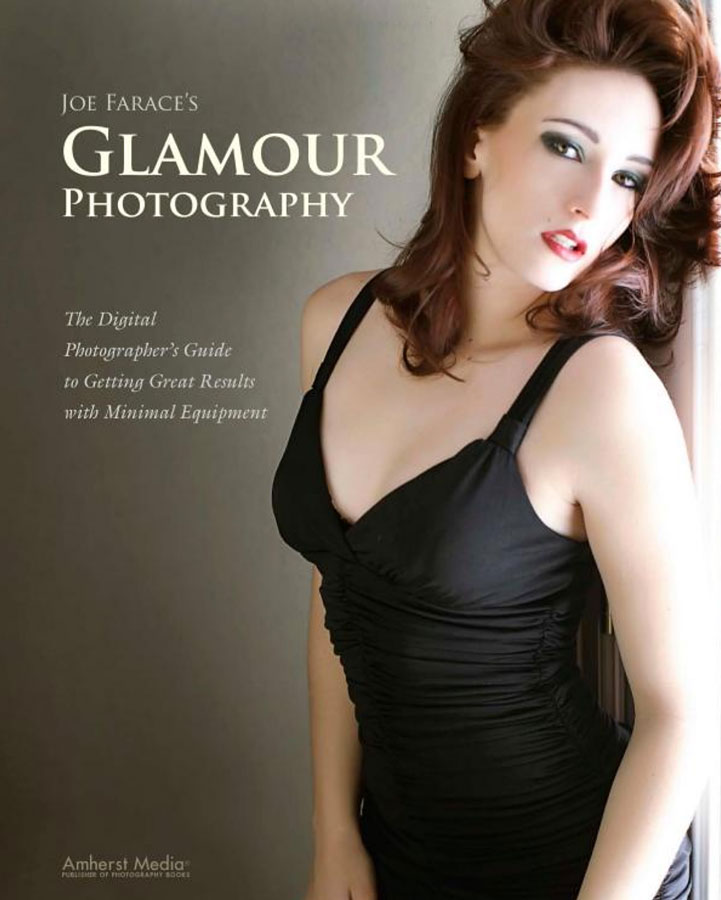
Joe Farace’s Glamour Photography contains tips, tools and techniques for glamour and boudoir photography and includes information on the cameras and lenses that I used as well as complete exposure data for every image. Used copies start around ten bucks, as I write this. The Kindle version is $19.99 for those readers preferring a digital format.