
Today is #anythingcanhappenday on this Blog. Lately, I’ve increased the number of glamour and portrait-related posts on this blog and based on the number of page views, people seem to be enjoying them. This is a genre I’m passionate about and was the subject of my most recent books. Readers who are members of my Patreon have access to posts that feature uncensored images of Alice as well as more than one year’s worth of uncensored posts featuring other models. You can read all about what that access provides here.
Today’s Post by Joe Farace
To be natural is such a very difficult pose to keep up.—Oscar Wilde
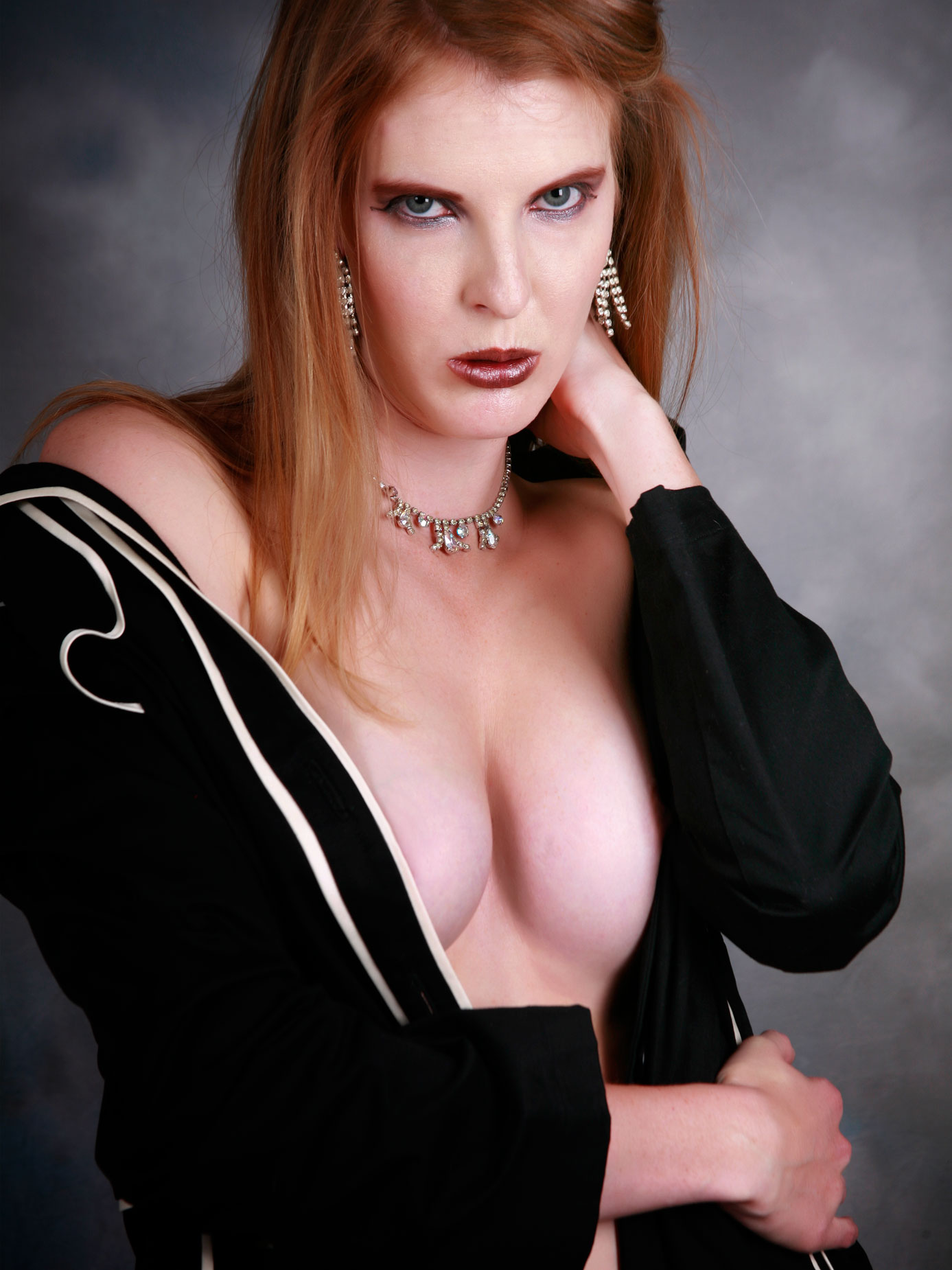 One of the most important aspects in creating portraits is knowing how to pose your subjects.
You may be able to photograph a man, woman or couple but if their pose is awkward or clumsy, it reduces the image’s appeal and if you’re just doing it for fun, can also result in less-than-satisfactory reults. Since you may be working with people who probably haven’t been photographed since their wedding or senior portrait, I think it’s important to develop an understanding of a few basic posing techniques to help your subject look their best and be comfortable posing at the same time.
Here’s A Basic Pose
When photographing female subjects, the basic standing pose I use starts by asking the subject to put all their weight on the foot that’s farthest from the camera and then placing their body in a three-quarter pose—not square—relative to the camera.
Once they are comfortable in that position, and it should be immediately obvious by the expression on their face, you should refine the pose with the way their head is tilted and by having the subject move their hands and arms slightly all the while changing your camera angle or zooming the lens to tighten or loosen the shot’s composition. There is some whole rigamarole about “masculine” and feminine” head tilts but I never did understand it. Instead, I look and make my judgement about what looks best and “right.”
For full length or head shots, I try to follow one basic rule—suggestion really—to make the portrait a little more dynamic: Have the subject’s body pointing in one direction and their face in the other direction and that’s also where I place the main or key light.
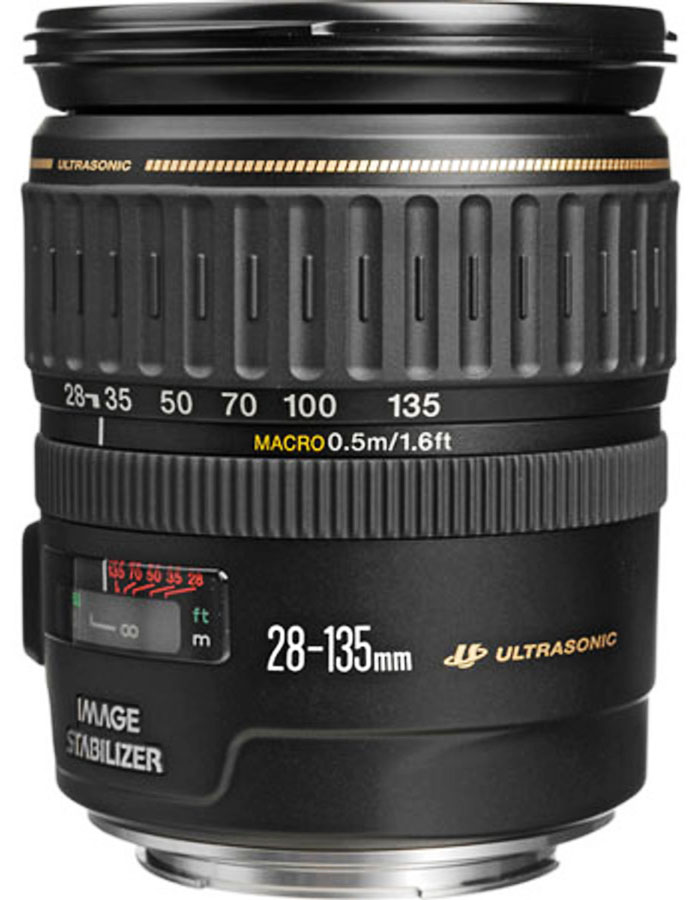
How I made this portrait: I originally photographed Alice in my home studio for a lighting equipment review for Shutterbug magazine but this image was unpublished because the then-editor did not like her look, for whatever reasons… The lighting for this portrait of Alice consisted of one of Westcott’s Apollo Strip softboxes that was mounted on a Speedotron Brown Line M11 head as the main light with fill coming from the second M11 head with a 54-inch Photek silver umbrella attached. Power on the pack was set at 400 Ws in Asymmetrical mode producing an exposure of 1/125 sec at f/10 and ISO 100. The camera used was a Canon EOS 5D Mark I with EF 28-135mm f/3.5-5.6 IS lens (at 105mm.) Background was Westcott’s collapsible Blue Skies backdrop.
 One of the most challenging aspects of working in the studio, especially without using any props, is that there’s nothing for the subject to interact with—except their clothes. So I watch what a subject does naturally and then turn that into a pose, refining it as I shoot. To demonstrate a move, I talk to the subject while moving my hands around my face and head and watch how the subject mimics it. I’ve found that the posing ideas that a subject comes up will always be one that’s comfortable and natural for them.
Tip: Be sure to look at both sides of your subject’s face. Most people, even supermodels, have one side of their face that photographs better than the other but don’t let that stop you from posing them one way or another.
Some final thoughts: Back in the seventies when I was just emerging as a professional photographer, I asked my mentor what was the worst thing I could do during a photo session. My guess was that it would be something technical but to my everlasting surprise he said, “not talking to the people.” This is important because of that old photographer’s axiom: ESP or Expression Sells Portraits. If you don’t talk to the people you’re photographing you’re never, ever going to make good or salable portraits.
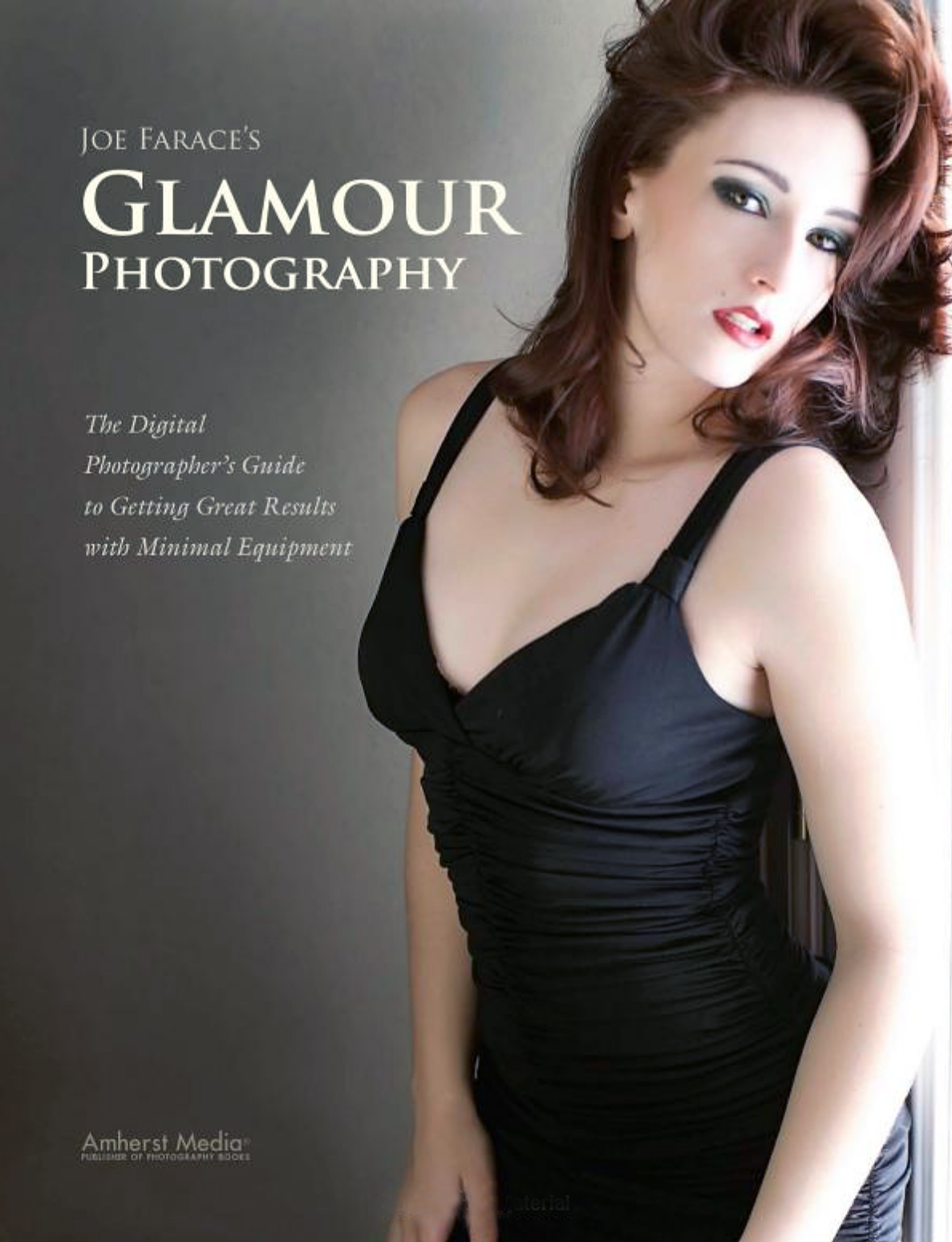
My book Joe Farace’s Glamour Photography is full of tips, tools and techniques for glamour and boudoir photography and includes information on the cameras and lenses used as well as the complete exposure data for each image. New copies are available from Amazon for $30.54 with used copies starting around ten bucks as I write this. The Kindle version is $19.99 for those preferring a digital format.