
Today’s Post by Joe Farace
The real voyage of discovery consists not in seeking new landscapes, but in having new eyes—Marcel Proust
Whenever I’m asked to do a presentation about infrared photography to any photographic organizations, I always kick off with a question that a reader once asked: “Why do you do infrared photography, when regular photography is already so hard?”
The short answer, for me, is because it’s fun. Sure it’s a bit more techy than shooting traditional visible light photographs but the payoff is that digital infrared photography produces the kind of images you can’t capture any other way. And sure, you may need some specialized gear whether it’s an expensive filter or spending some extra cash to get a camera converted for infrared capture by companies such as Life Pixel. Here’s my advice on camera conversions: Consider converting one of your older DSLR or mirrorless cameras that’s sitting around collecting dust, rather than a bread and butter daily shooter. Or maybe just buy an inexpensive, used camera as I did with the 16-megapixel Panasonic Lumix GX1 that i bought from Roberts Camera in order to get Life Pixel’s Hyper Color infrared conversion for it. This camera/conversion has been a delight to use and this blog is liberally sprinkled with images that I’ve made with it.
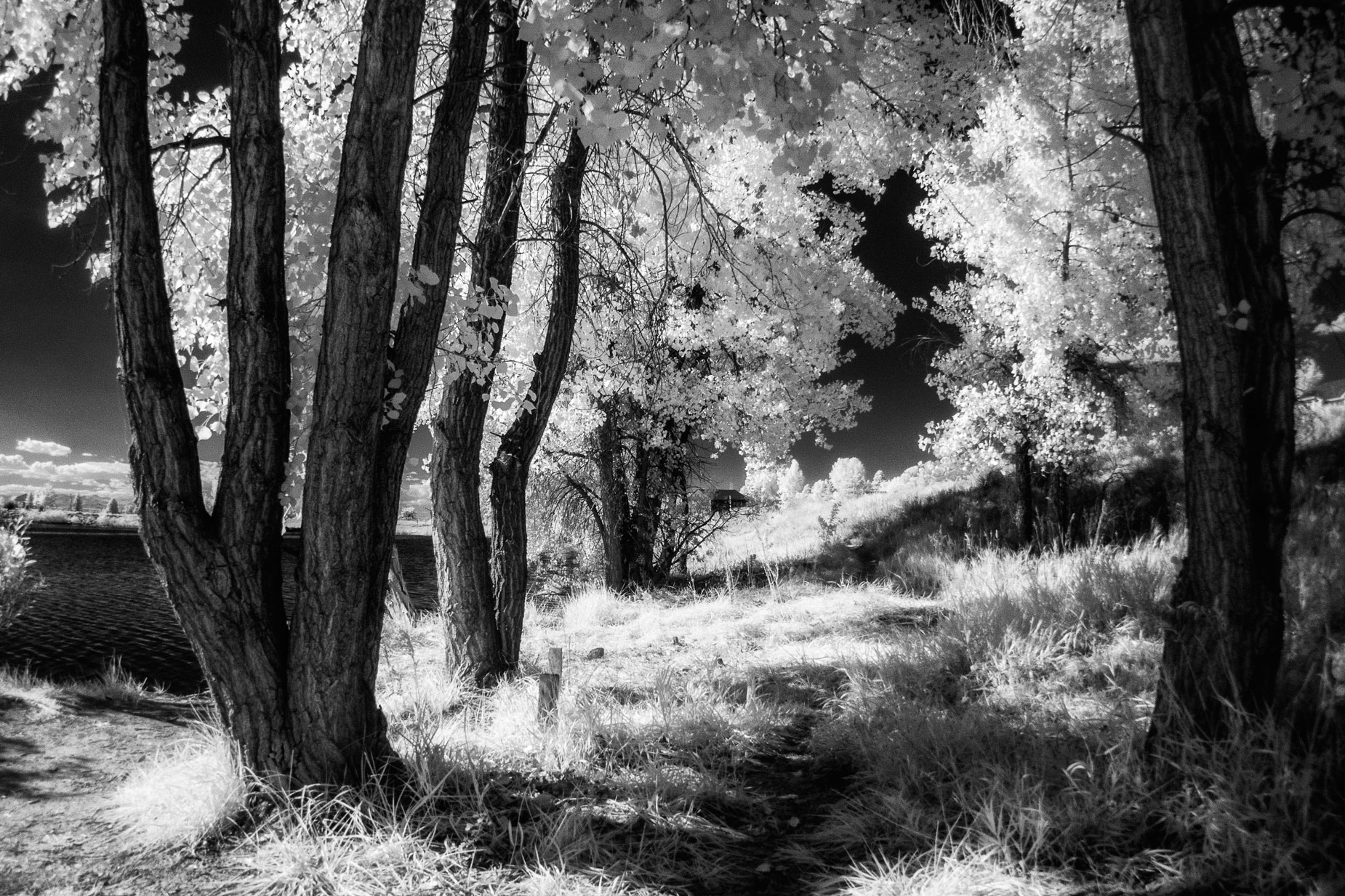
The Inspiration?
Paul Gustave Louis Christophe Doré was a French printmaker, illustrator, painter sculptor. He is best known for his prolific output of wood-engravings illustrating classic literature, especially those for Dante’s Divine Comedy. Doré’s work directly influenced the matte paintings made by Mario Larrinaga that were used in the original 1931 film of King Kong, which in turn influenced the art of Ray Harryhausen, which then influenced my own black and white (and infrared) photography as can be seen in the above image.
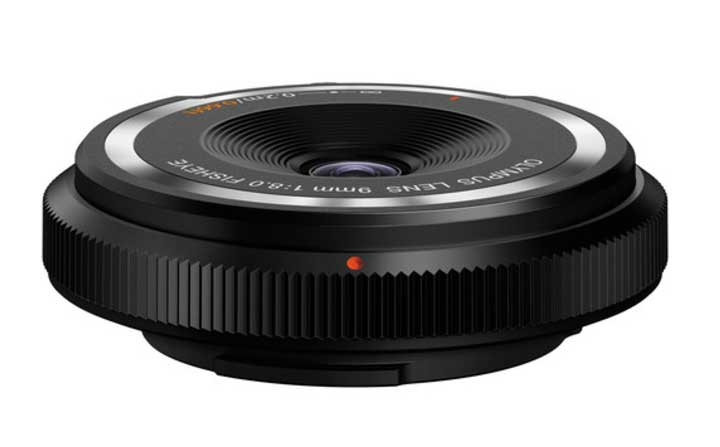 How I made this shot: Last year, I went to Bingham Lake, which is about a three-block walk from my front door,\ and took the counter clockwise path to find some different lakeside views, one of which is shown above. The image was shot with a 16-megapixel Panasonic Lumix G5 that had been converted to infrared capture by LifePixel using their Standard IR (720nm) conversion. The lens was the unique 9mm f/8 Olympus fish-eye lens cap lens with a held exposure was 1/640 sec at f/8 and ISO 400.
The image was captured in RAW+JPEG, with the JPEG file used as a preview or proof of what the final image might look like. (Sometimes, when looking at the RAW files, it’s hard to tell.) The RAW file was then opened and lightly processed using Adobe Camera Raw before moving it to Silver Efex where it was converted into monochrome using software’s High Structure (Smooth) preset with this particular preset enhancing its “Doré” look. PhotoKit’s Platinum toning was added to warm up the photograph and Color Efex’s Glamour Glow filter was layered on to add some infrared glow..
Postscript; if you can pick up a copy of The Art of Ray Harryhausen—it’s out of print—it could change your life. Highly recommenced. Also if you are a fan of the 1931 King Kong, you might want to take a look at my review of the Warner Archives Blu-Ray release of the film.
 I’ve found that Life Pixel does a great job with IR conversions and they’ve done most of the conversions for some of my Canon DSLRs and all of my Panasonic Lumix G-series cameras. This is not a paid or sponsored endorsement, just my experience.
New copies of my book, The Complete Guide to Digital Infrared Photography are available from Amazon for $43 and used copies are available starting around thirteen bucks as I write this. My book Creative Digital Monochrome Effects has a chapter on IR photography and is available new from Amazon for $11.46 with used copies starting around three bucks as I write this.