
Today’s Post by Joe Farace
“The love of learning, the sequestered nooks, And all the sweet serenity of books” ―
One question I’m often asked is about where I learned my studio lighting techniques? Over the years that I’ve been a photographer, I have attended conventions and listened to many program presenters who have inspired me and taught me more than a few things about lighting as well. I would especially like to acknowledge three creative lighting experts that influenced me including the late Dean Collins, Leon Kennamer and Peter Gowland.
During that same time, I also attended some private photography workshops but my experience with them did not prove to be as useful. But the one thing that has proven successful in advancing my experience in working with portrait lighting is having shot many thousands of portraits in my home studios and well as those belonging to friends like Jack Dean’s. If you haven’t already figured it out from the title of this post, I’ll repeat it: I believe that the best way to learn studio lighting is by doing it.
Learning By Doing
 That is not to sell short the various program speakers who present their studio lighting techniques to rapt audiences at conventions and seminars sponsored by lighting companies. During these same times, I’ve found some on-line sessions to be worthwhile, even if they only created a desire to improve my lighting techniques. In general, I think these kinds of presentations can really be valuable at two points along your lighting learning curve:
- They are especially useful in the beginning of your photographic development, although truth be told it’s a never-ending process. My own lighting style has changed radically over the past twenty years from using extremely simple available light techniques to working with as many lights as I have available. (Right now that’s just three Paul C Buff DigiBee and AlienBee monolights.)
- It’s also helpful on the other end of the learning curve, when you can learn some of the smaller, more subtle techniques that will let you refine the portrait making skills that you’ve actively been practicing. In between, it’s learning by doing. The best way to get to Carnegie Hall, as the story goes is practice, practice and practice some more.
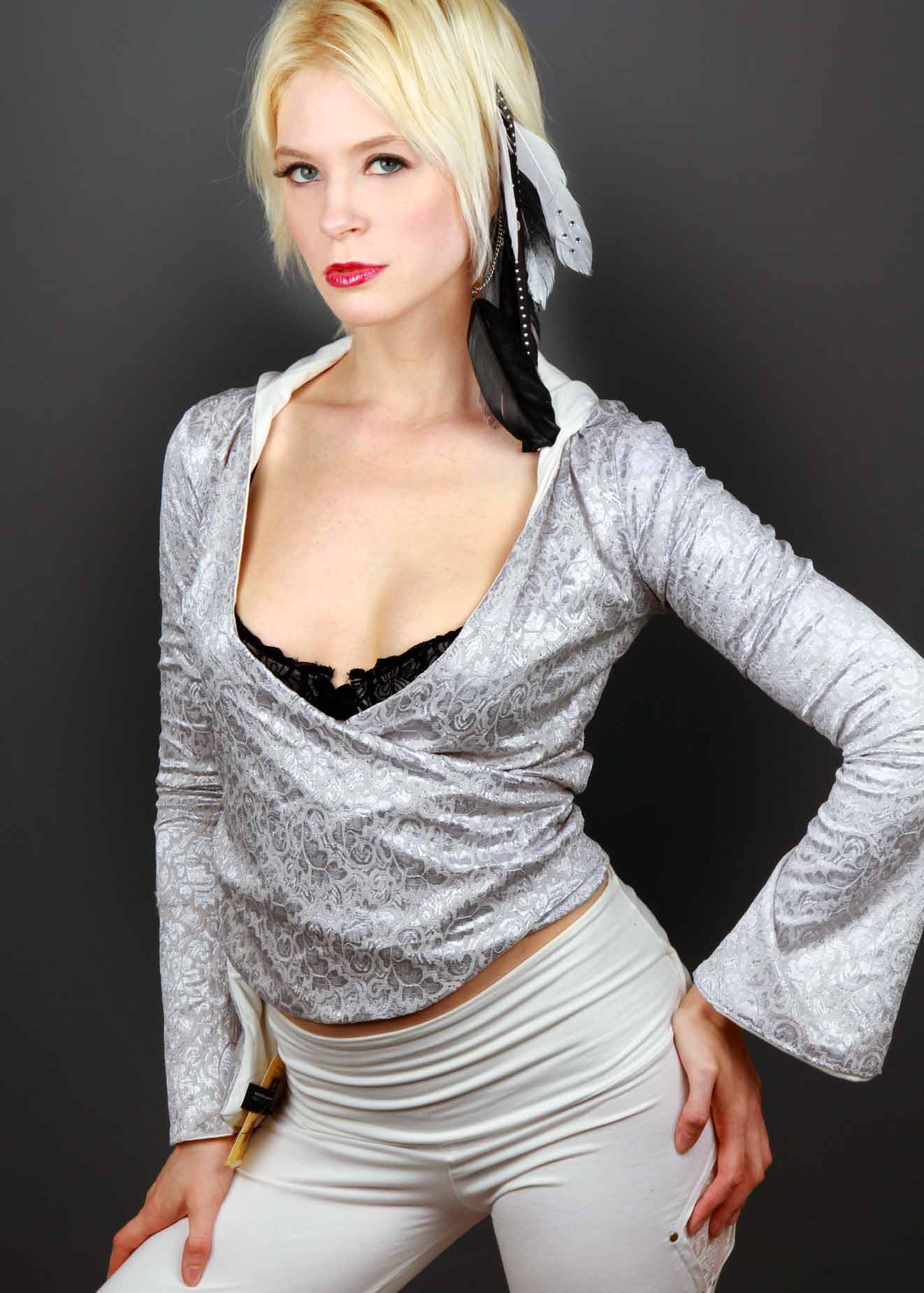
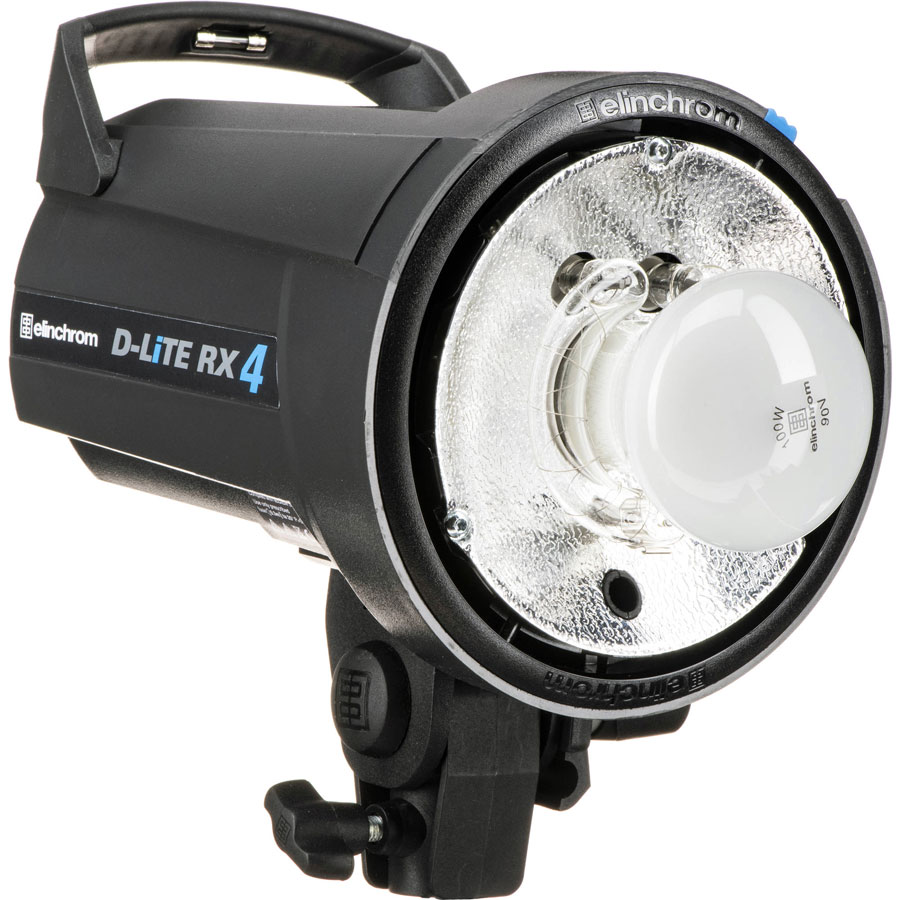
How I made this portrait: For this portrait of Pam Simpson dressed in white and silver, two Elinchrom D-Lite RX’s monolights, each with a 26-inch square softbox soft box were placed at approximately 45 degrees from one another. The output of each monolight was adjusted via my laptop computer to be approximately one-quarter power. The backdrop is a 5×7-foot Photo Gray Savage Infinity vinyl background hanging from JTL background stands. Camera used was a Canon EOS 60D with EF-S15-85mm f/3.5-5.6 IS USM (at 50mm) and an exposure of 1/125 sec at f/14 and ISO 200. At that exposure, the image was slightly underexposed and was rescued using a technique explained in my post Correcting Underexposed Portraits.
 Practicing portrait lighting isn’t easy because in addition to requiring camera and lightning equipment, you’ll need a subject to practice with. For many years Mary was my subject but her current work schedule does not permit her helping out with these kinds of projects. These days finding new models have been a challenge for me because there’s no budget for it as in the past when Shutterbug magazine provided when I wrote lighting equipment reviews for them. I do give each model a CD of every image that we make together to take home with her on the day of the shoot. If you know anyone who would like to have fun modeling for me, please have them CONTACT me.
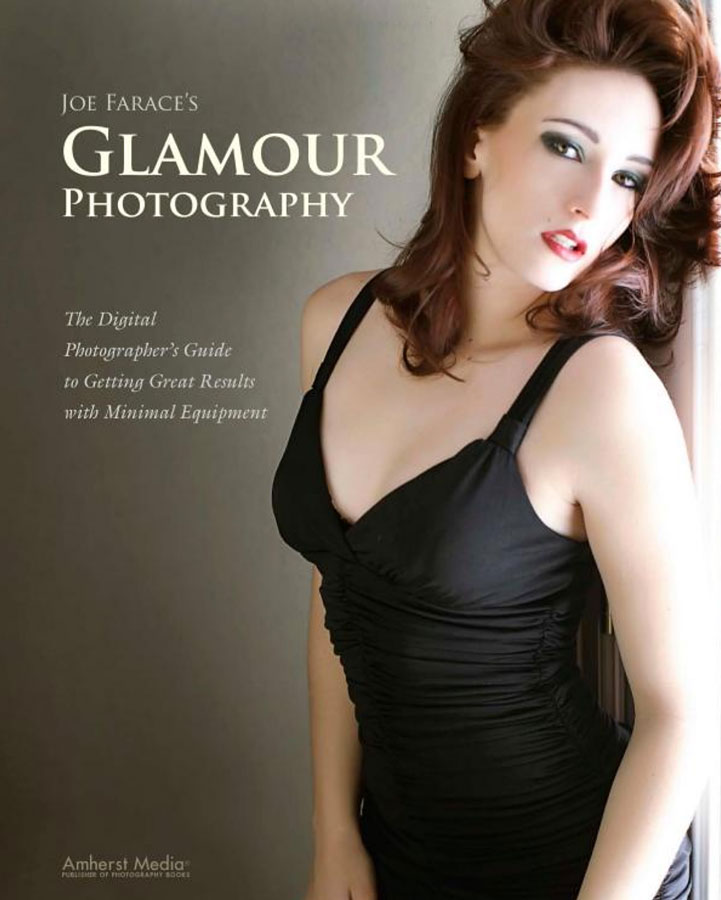 My book Joe Farace’s Glamour Photography is full of tips, tools and techniques for glamour and boudoir photography and includes information on the cameras and lenses used as well as the complete exposure data for each image. New copies are available from Amazon for $30.54 with used copies starting around ten bucks as I write this. The Kindle version is $19.99 for those preferring a digital forma