
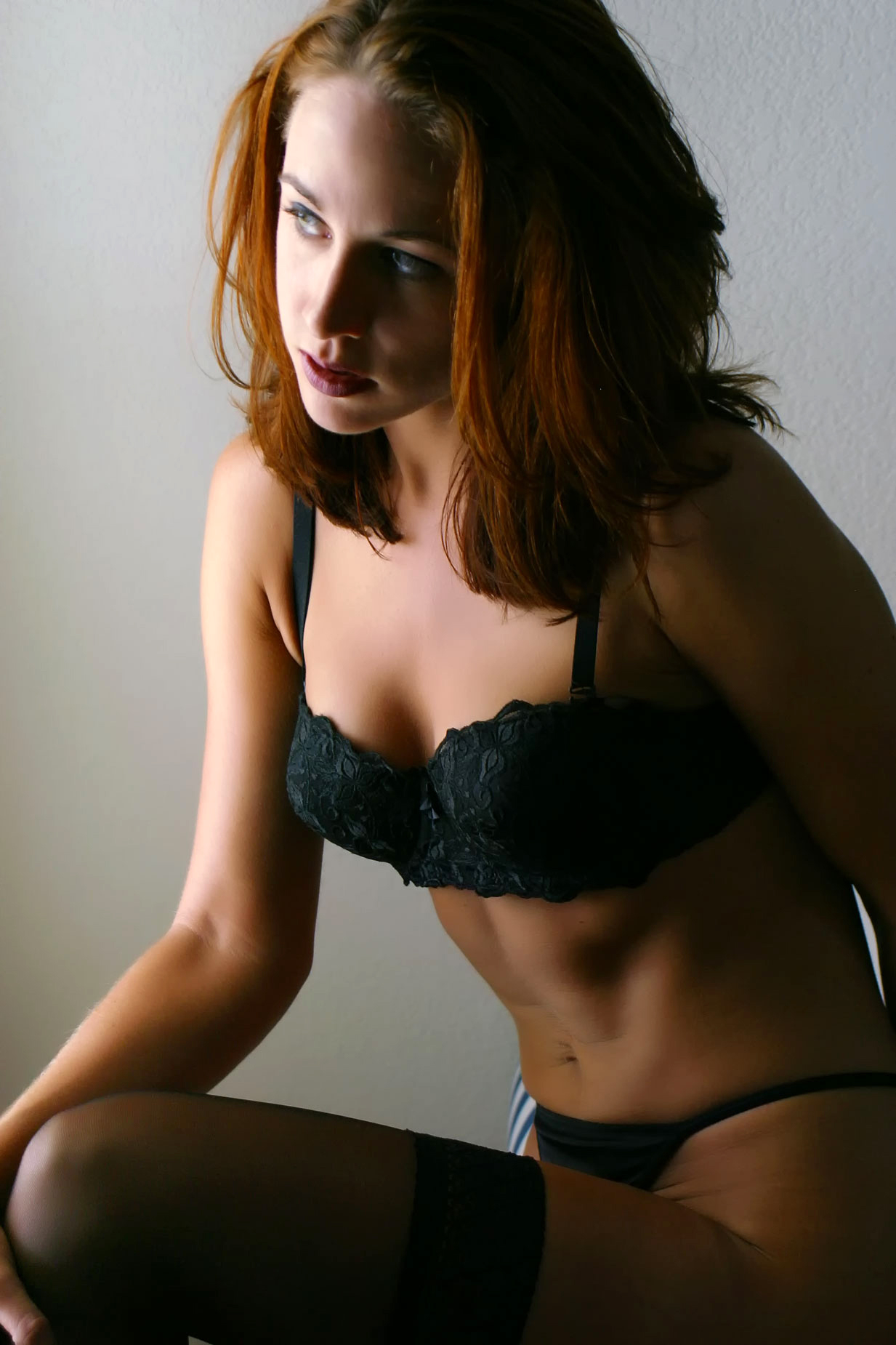
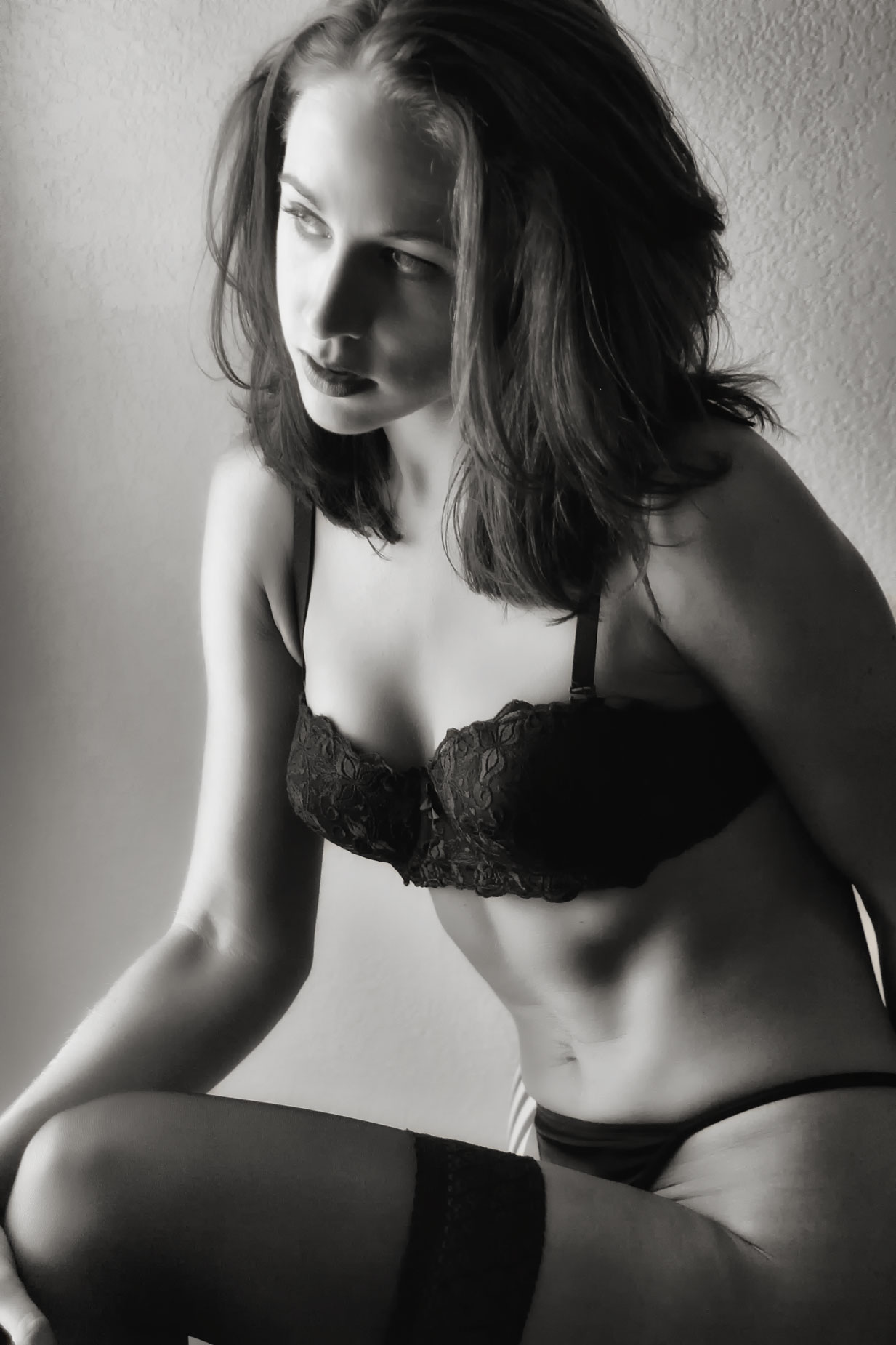
My Sunday Series on Available Light Portraiture is back. Today’s post features an image of Megan that I originally captured in color but have since worked on the original JPEG file in Photoshop to reimagine this black and white version.
Today’s Post by Joe Farace
“Set wide the window. Let me drink the day.” ― Artemis to Actaeon and Other Verses
 Many photographers are intrigued by the prospect of creating glamour photographs but think the lack of proper equipment makes this an unattainable goal. Nothing could be farther from the truth. My No Frills approach to glamour photography doesn’t require a studio and, as the late Wilford Brimley might have said, “you don’t even need fancy lighting equipment.” The linked post has even more and specific details on how this system works.
All that’s really needed to produce professional quality glamour images is a camera with interchangeable lenses, a few simple photographic accessories and models who are willing to pose for you.
The Right Lens at the Right Time
My philosophy is that the best lens to use is first determined by whether I’m shooting outdoors or indoors. The following suggestions are based on my opinions about shooting glamour indoors, especially when space is tight. One of Farace’s Laws is that there is never enough space indoors to make a portrait. Before I had a home studio I often found myself pressed up against the opposite wall when shooting glamour photographs in my current and former homes. For shooting portraits, this translated into working with shorter focal length lenses than I might otherwise have preferred.
A corollary to this particular law is that there is never enough light to shoot portraits indoors. If you have them, you can use electronic flash or LED lights and I often use speedlights for fill but glamour photography is about soft light and there’s nothing softer than window light. The only problem is that because of weather conditions there isn’t always the enough available light available.
 A side note: In my former home, my favorite portrait lightning conditions was when working in my kitchen with a North light bay window that on a sunny day after it snowed and the ground was covered. The lighting produced was perfect. Back to the real world: Sometimes I’m using higher ISO’s than I would have preferred. Faster lenses help. Indoors, I like using 85mm or 135mm lenses but don’t discount the humble 50mm lens; sometimes it’s the perfect solution..
How I made this shot: I photographed Megan in the living room of my former home. She is sitting on the arm of a sofa and is illuminated by the light coming from a South-facing window. To maintain the overall moody look, no reflector was used. The camera was a Canon EOS D60 with an EF 22-55mm f/4-5.6 USM EF lens set at 53mm, proving this would have been an easier and maybe nicer shot with an EF 50mm f/1.8 that I didn’t own at the time. The exposure was 1/80 sec at f/6.3 and ISO 400 with a minus two third stop exposure compensation. I originally envisioned this as a color image (above right) but decided I liked the monochrome version that was created with the High Structure (harsh) preset in Silver Efex better. What do you think?
Which lenses to use?
It depends on the multiplication factor of a particular camera. If I was making that same shot in my former North Light kitchen with a camera that has a full frame sensor, I might use an 85mm lens instead of a 50mm. Either way the perspective provided by any 85mm lens, especially a fast one, makes it ideal for indoor glamour images no matter what kind of DSLR or mirrorless camera you use. Depending on your camera’s multiplication factor a 135mm lens might be tight fit for many indoor locations but if you have the space you will love the perspective this lens produces.
Outdoors you almost always have both more light and more room so that’s when I use longer focal length prime and zoom lenses. A lens in the focal length range of 28-135mm provides flexibility for choosing high or low camera positions. Another option is something from the mild telephoto to the longer telephoto range such as the classic 80-200mm or 75-300mm lenses. Long focal lengths produce the shallow depth-of-field that allow a model, especially when photographed at the long end of that focal length range and in a full-length pose to “pop” out of the background and place the focus squarely on her.
 If you enjoyed today’s blog post and would like to treat me to a cup of Earl Grey tea ($2.50), please click here. And if you do, thanks so much.
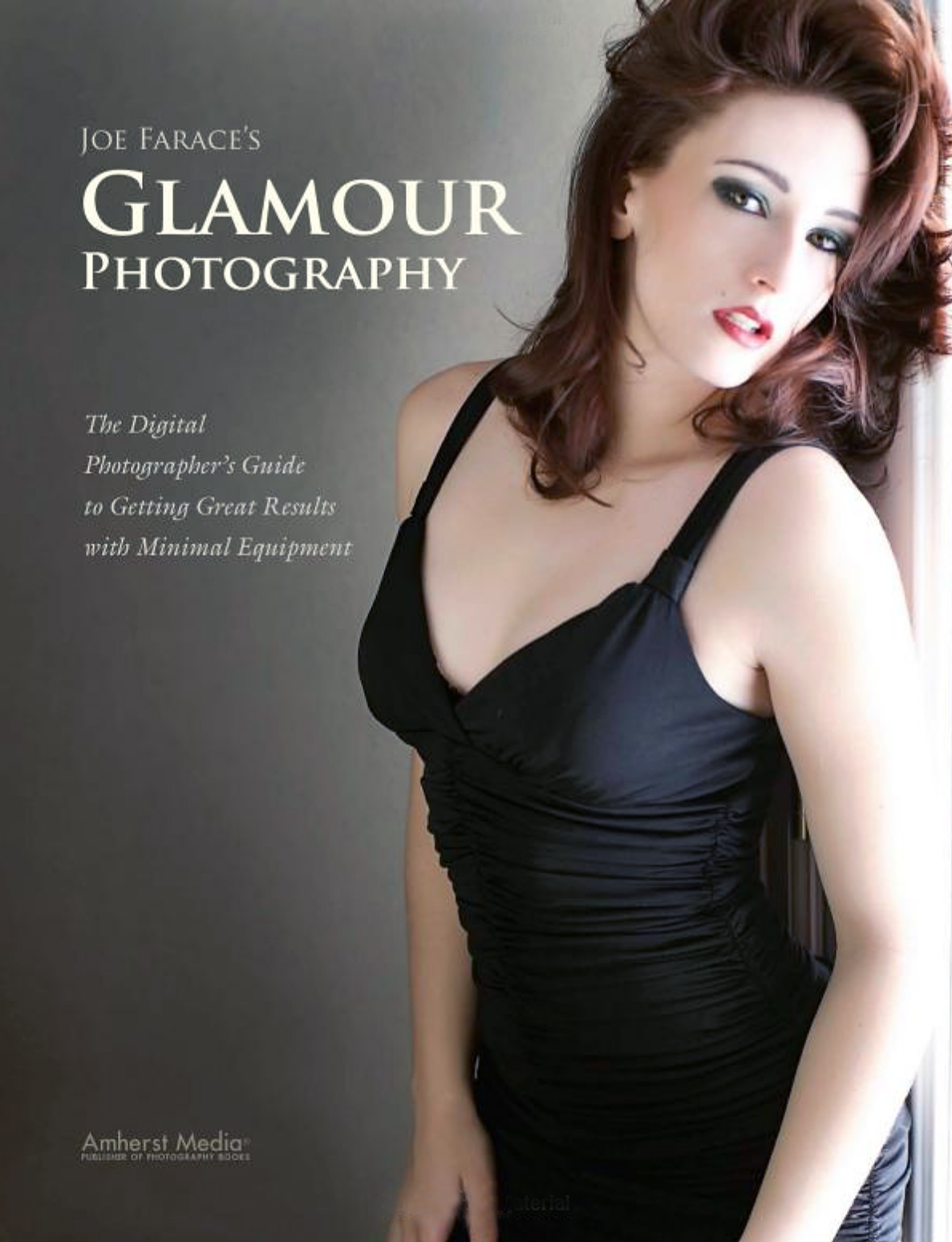
My book Joe Farace’s Glamour Photography is full of tips, tools and techniques for glamour and boudoir photography and includes information on all of the cameras used as well as the complete exposure data for each image. New books are available from Amazon for $20.02 with used books starting around ten bucks.as I write this. The Kindle version is $19.99 for those preferring a digital format.