
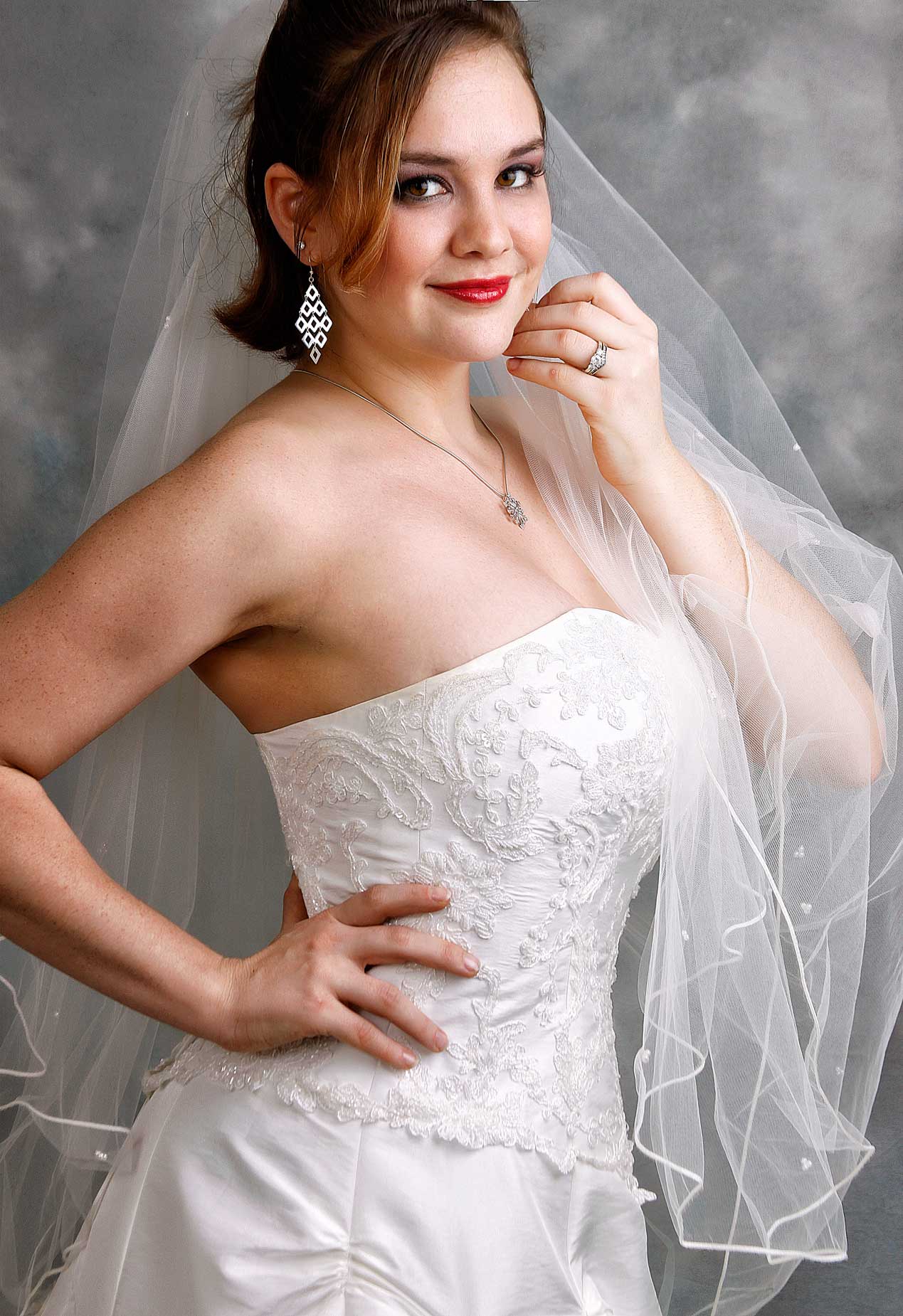
It’s “Tricky Tuesday” which is a way for me to share some of the tricks, tools & techniques that I use when shooting portraits in the studio. Today’s post features a bridal portrait of Courtney.
Today’s Post by Joe Farace
“I think all art is about control — the encounter between control and the uncontrollable.” –Richard Avedon
I don’t write many posts about wedding photography mainly because I haven’t photographed a wedding in many many years. A few years ago, my then-accountant suggested I start shooting weddings again because “people pay crazy money for wedding photography.” While that statement may be true for some photographers, but wasn’t my experience when I actually photographed wedding back in the day. On the other hand, I usually ask married models if they still have their wedding dresses and if they do suggest they brings it to a photo session. That was the case with a session I had with Courtney that was shot using monolights.
Working with Monolights
 A monolight is a self-contained studio flash unit hat consists of a power supply, flash head and modeling light ll wrapped up inside a single housing. While some DC options are available along with portable battery packs, monolights, especially those of the more affordable type, are typically powered by AC current but there are times on location when an electrical outlet may not be so conveniently located and long extension cords can create safety hazards, even when securely fastened. So batter powered monolights, like the Godox AD 100 Pro, become a necessity.
One of my guiding principles for finding models to appear in my blog posts and books came from the late Jerry Deutsch of Adorama who suggested I use “real people” as subjects instead of professional models. While I still photograph professional models from time to time, I also like to photograph real people and aspiring models*, who are just one step removed from “real people.” Jerry felt that readers of my blogs and books would be using their cameras and lighting equipment to photograph everyday people, so why not give it a true test by photographing “real people.”
I’ve been using monolights to photograph real people and they’ve served me faithfully for many years and many of the images that appear in my book Studio Lighting Anywhere were made using those kinds of lights
How I made this shot: The featured photograph of Courtney was the first bridal portrait that I’d made in several years. She had been married for a few years when I made this image. The lighting setup consisted of placing a 300 Watt-second Flashpoint monolight at camera right with a 36 x 36 inch soft box attached that was used as the main light and a second 300 Watt-second Flashpoint monolight at camera left with a 64 inch umbrella that was set at relatively lower power setting mainly to provide lighting for her veil, not that it helped as much as I would have liked. The camera used was a Canon EOS 50D with EF 28-135mm IS lens at 60mm with an exposure of 1/125 sec at f/9 and ISO 125.
 Getting In Sync
Monolights typically include a sync cord for attaching to your camera’s PC (Prontor-Compur) connection that’s used to trigger the light when tripping your camera’s shutter. These days, not all DSLRs and mirrorless cameras have a PC connection and you might have to use a hot shoe to PC adapter to connect the sync cord from the camera to the main light. Because of the high voltages across the tip of a sync cord, you should avoid using a cheap adapter because this kind of connection can fry the electronics inside your camera. If you want to eliminate the sync cord entirely, here’s a better suggestion:
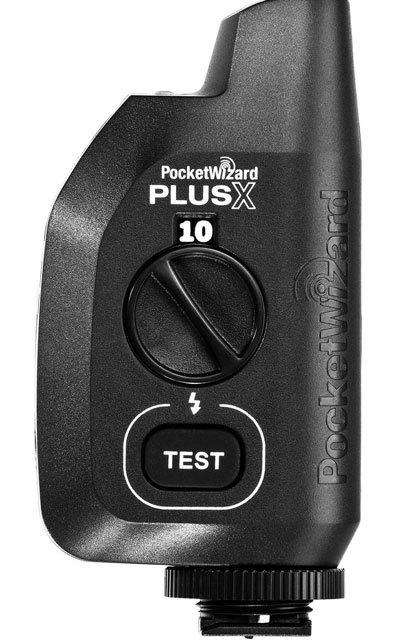
I’m a bit of a klutz when working in the studio and have, more than once, stumbled over a power cord and more times than I can count, over a sync cord. For me, a wireless trigger, like the inexpensive Pocket Wizard PlusX is the best and safest solution for tripping the light fantastic. This unit has a range of (up to) 1600-feet and offers ten channels and is backwardly-compatible with all other Pocket Wizards and Pocket Wizard-enabled devices.
 If you enjoyed today’s blog post and would like to buy Joe a cup of Earl Grey tea ($3.50), click here. And if you do, thanks so much.
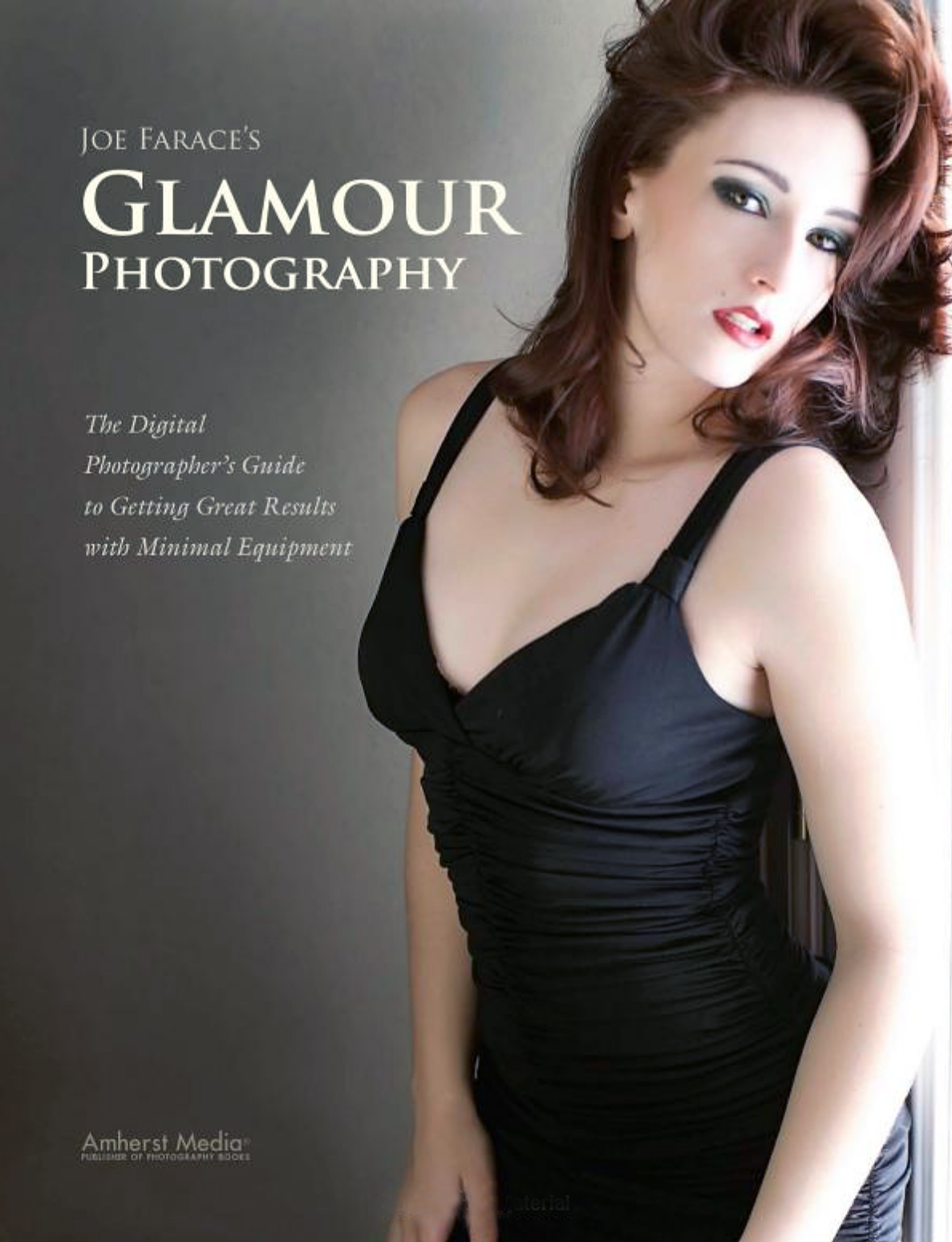
My book Joe Farace’s Glamour Photography is full of tips, tools and techniques for glamour and boudoir photography and includes information on all of the cameras used as well as the complete exposure data for each image. New copies are available from Amazon for $45.08. with used copies selling for around forty-three bucks as I write this. The Kindle version is $19.99 for those preferring a digital format.