
Today’s Post by Joe Farace
“The secret of photography is that the camera takes on the character and personality of the handler”–Walker Evans
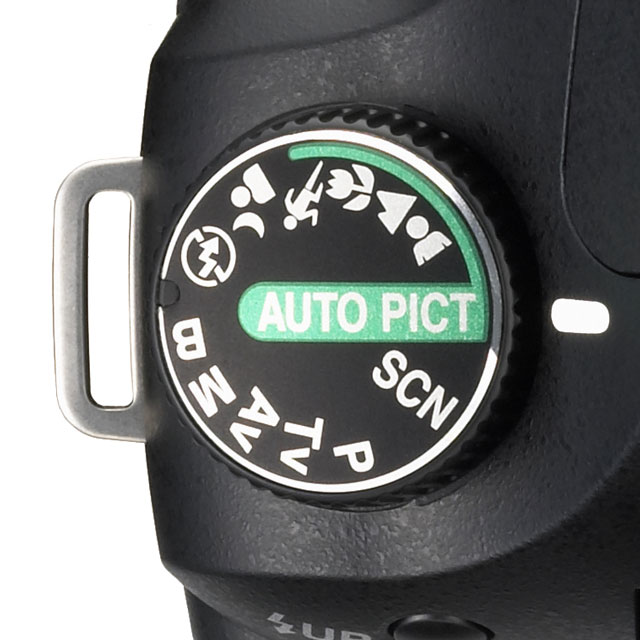 I think most photographers would agree that obtaining accurate exposure starts with correctly setting the lens aperture, shutter speed and ISO. Today’s DSLR’s and mirrorless cameras will let you set the exposure manually or you can let the camera do it for you, including the ISO setting.
Doing it Yourself
A few years ago I was teaching a travel photography class at the Palm Beach Photographic Centre. One of our outings was to the Wakodahatchee Wetlands and a couple of the students asked why I was not shooting in Manual mode. I explained that I prefer to use the mode that best fits the subject matter, in this case birds. The reason they asked was that an instructor at another workshop they attended told them she only shot in Manual mode because it was “the purist form of photography.” That may be why some influencers claim that manual exposure is the only mode you should ever use. I don;t necessarily agree.
To determine the appropriate exposure, you can use either a hand-held light meter or the metering system built into your camera. The truth is that for 90% of photographs you’ll make, any one of a camera’s automatic modes will do a fantastic job in producing correct exposures but its those last 10% that will b problematical. For photographers who find that 100% of the images that they make are in that 10% zone, manual mode is necessary.
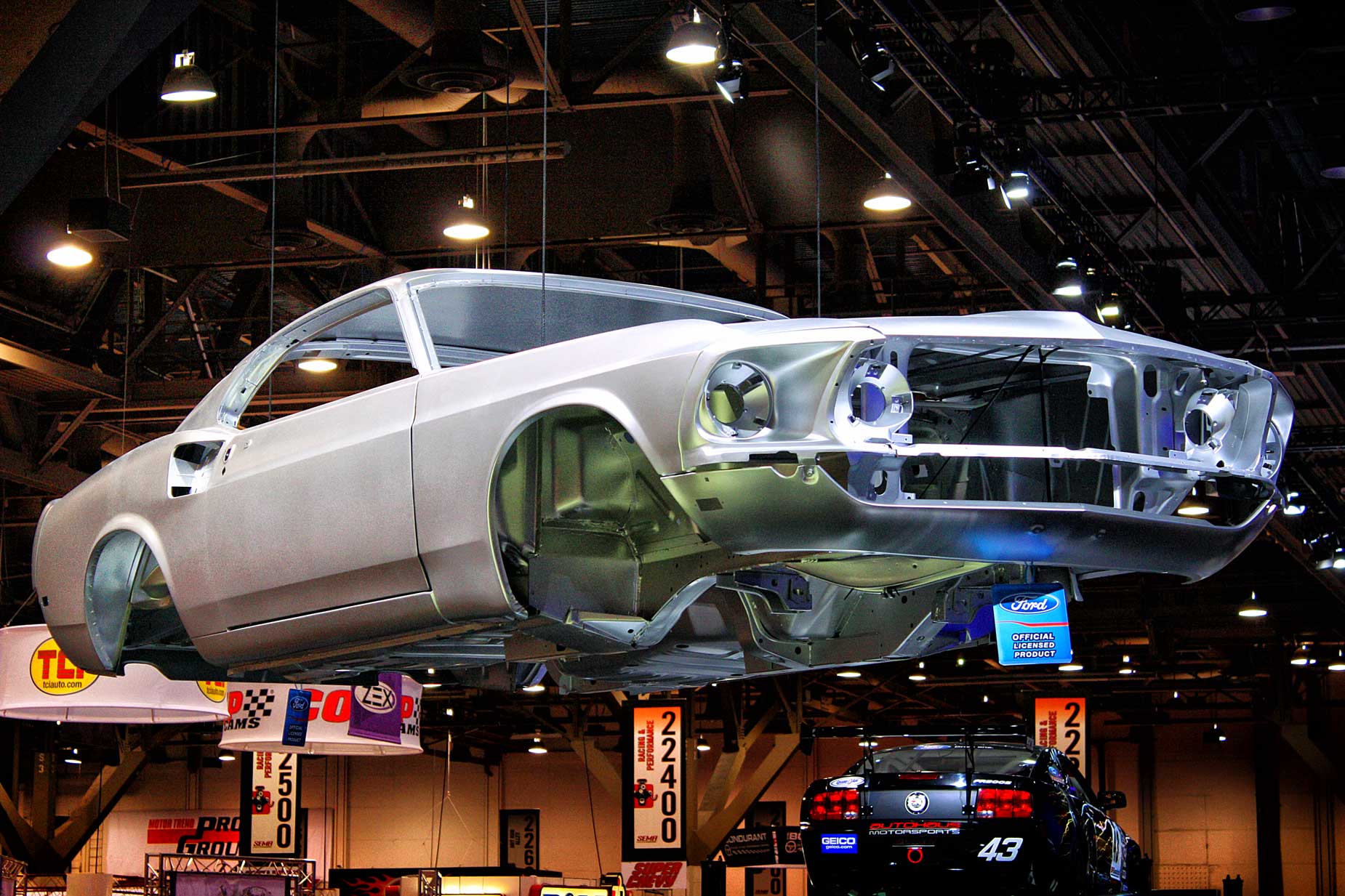
How I Made this Photo: I made this photograph of a “Flying Mustang” at a previous SEMA auto show. It was shot with a Canon EOS Digital Rebel XS that I was testing for the print edition of Shutterbug. The lens was a EF-S18-55mm f/3.5-5.6 IS with an available light exposure of 1/80 sec at f/6.3 and ISO 800, an setting that seems to be my go-to ISO when shooting in the Las Vegas Convention Center.
For my own photography, I shift into manual mode when the light is at the extreme ends of brightness or darkness like you’ll sometimes encounter at indoor car shows or special events such as the annual SEMA show i Las Vegas. Complex (and dark) lighting situations like these extremes can sometimes confuse even the most sophisticated automatic exposure system. That’s why manual exposure can be helpful when dealing with high subject contrast and strong backlight or when you want to create a specific mood.
All of this is why I think manual mode can be useful for those shooters who would rather drive a car with a stick shift than one with an automatic transmission. But while purists claim manual exposure mode is the only one to use, I tend to use all of the letters on the dial.

Along with photographer Barry Staver, I’m co-author of Better Available Light Digital Photography that’s available from Amazon for $24.50 prices with used copies selling at giveaway prices. around seventeen bucks, as I write this.