
Today’s Post by Joe Farace
Intelligence is the ability to adapt to change. — Stephen Hawking
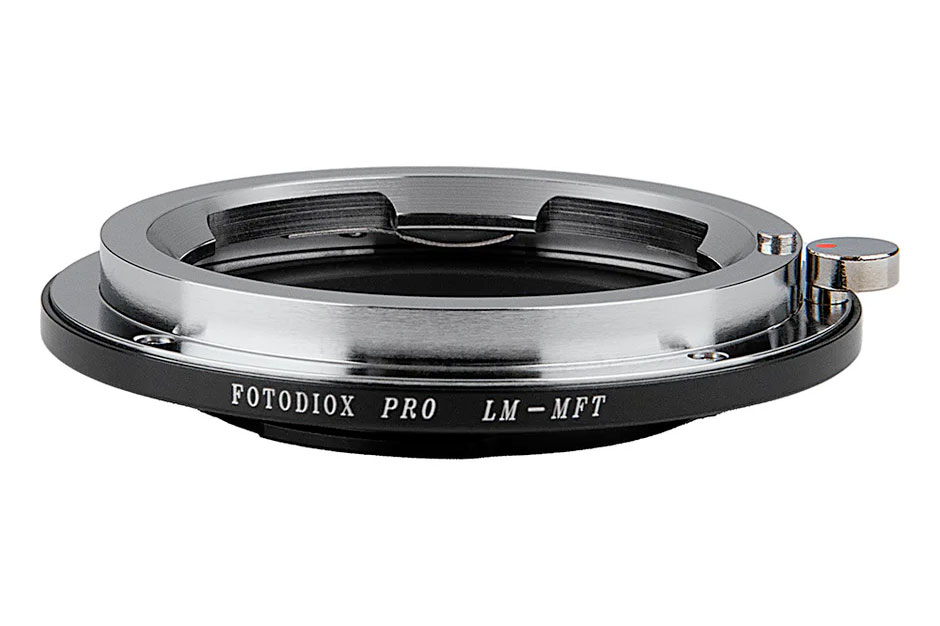 The shallow and wide lens mount of cameras in the Micro Four-thirds system, like that of most other mirrorless camera systems. permits the mounting of a wide array of lenses from other manufacturers—when used with the appropriate adapter,
Adapted lenses may have to be manually focused because many legacy lenses are manual focus and not all mirrorless camera adapters will autofocus more modern AF lenses. Micro Four-thirds cameras have electronic viewfinders that automatically brighten as smaller lens apertures are selected making manual focusing easier but by no means easy. Cameras that offer Focus Peaking can be a help by highlighting the edges of objects in sharp focus in the EVF with a color overlay.
Determining correct exposure is not difficult; Just shoot in Aperture priority (Av) mode or manual mode if that’s your jam. Then there’s the question of equivalent focal length. Because of Micro Four-thirds sensor size (18 × 13.5mm,) a 50mm lens used with adapter on a camera may act like a 50mm lens but its field-of-view will be that of a 100mm lens.
In the Field
 For a PhotoWalk in Castle Rock, Colorado with a mirrorless camera and non-native lens, I used a Fotodiox Leica M to Micro 4/3 adapter. I like this model because it’s small, has an all-metal design with hardened anodized aluminum construction and costs less than twenty-four bucks. If you get serious about this kind of shooting consider the Pro version. It has “precision all-metal construction with chrome plated brass mounts for secure and solid fit,” costs a little more than ninety bucks and comes with a 24-month warranty.
Every mirrorless camera is going to handle lens mount adapters differently, the camera’s owner’s manual will be your friend and chances are this is a one-time thing so you can just set it and forget it. Focusing when using the camera’s EVF while smooth buy maybe was not as precise as I would like, keeping in mind that my Lumix cameras are “old” in Internet years. (They’re like “dog years.”) That’s why most of the images I made during the PhotoWalk were shot using hyperfocal focusing. That’s something easy to do with older lenses because, in addition to having an aperture ring, they usually have a real depth-of-field scale something that’s disappeared from most modern lenses.
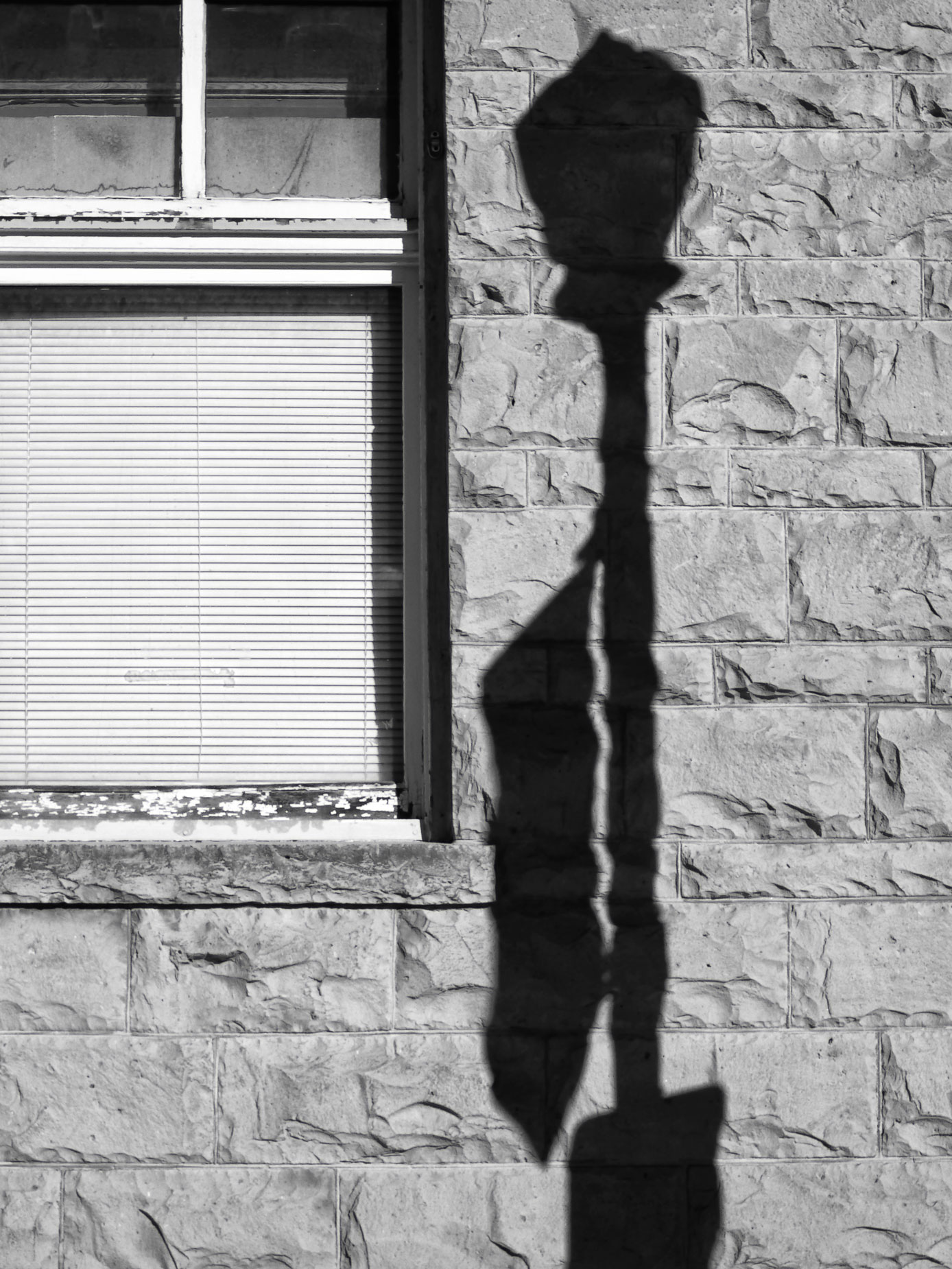
How I Made this Photograph: When making this image of an old building in Castle Rock I didn’t notice any “ smearing effect of image details” as some have reported with adapted lenses but what I did notice was the decided lack of hostility encountered when shooting on the street with a mirrorless camera. Instead of being asked “what are you taking pictures for,” a smiling gentleman who came out of this building and told me, “neat old building, isn’t it?” And that’s one of the not-so-obvious benefits of shooting with smaller mirrorless cameras. This image was made with 16.1-megapixel Panasonic Lumix G5 and manual focus Carl Zeiss Biogon T* 21mm f/2.8 lens with an Av exposure of 1/1600 sec at f/11 and ISO 400 with the camera set in monochrome mode.
If you’re concerned about perfection you may be missing the main point of this kind of project and that’s having fun with some old lenses you might have lying around and bringing some of the joy of discovery that attracted you to photography in the first place. The whole idea of manually focusing and physically setting apertures takes you away from the process of taking pictures to actually making photographs.
If you enjoyed today’s blog post and would like to treat me to a cup of Earl Grey tea ($2.50), please click here. And if you do, thanks so much.
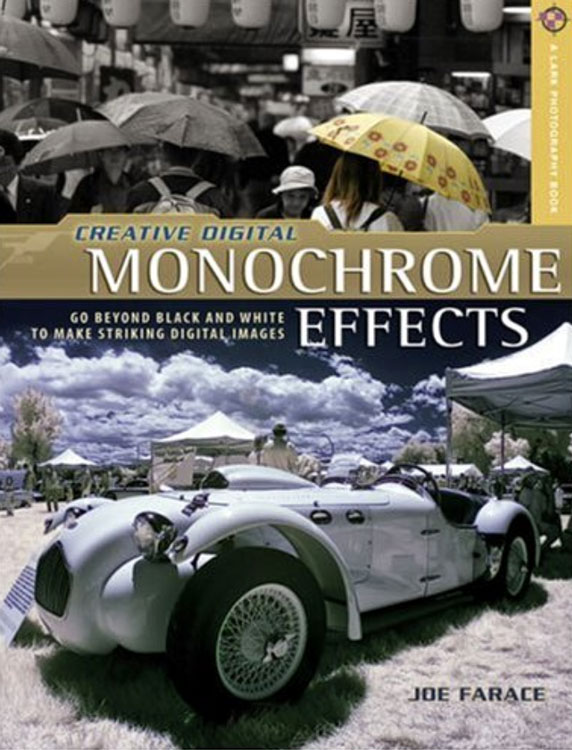
My book Creative Digital Monochrome Effects has a chapter on IR photography and is available new from Amazon for $11.46 with used copies starting around eight bucks as I write this.