
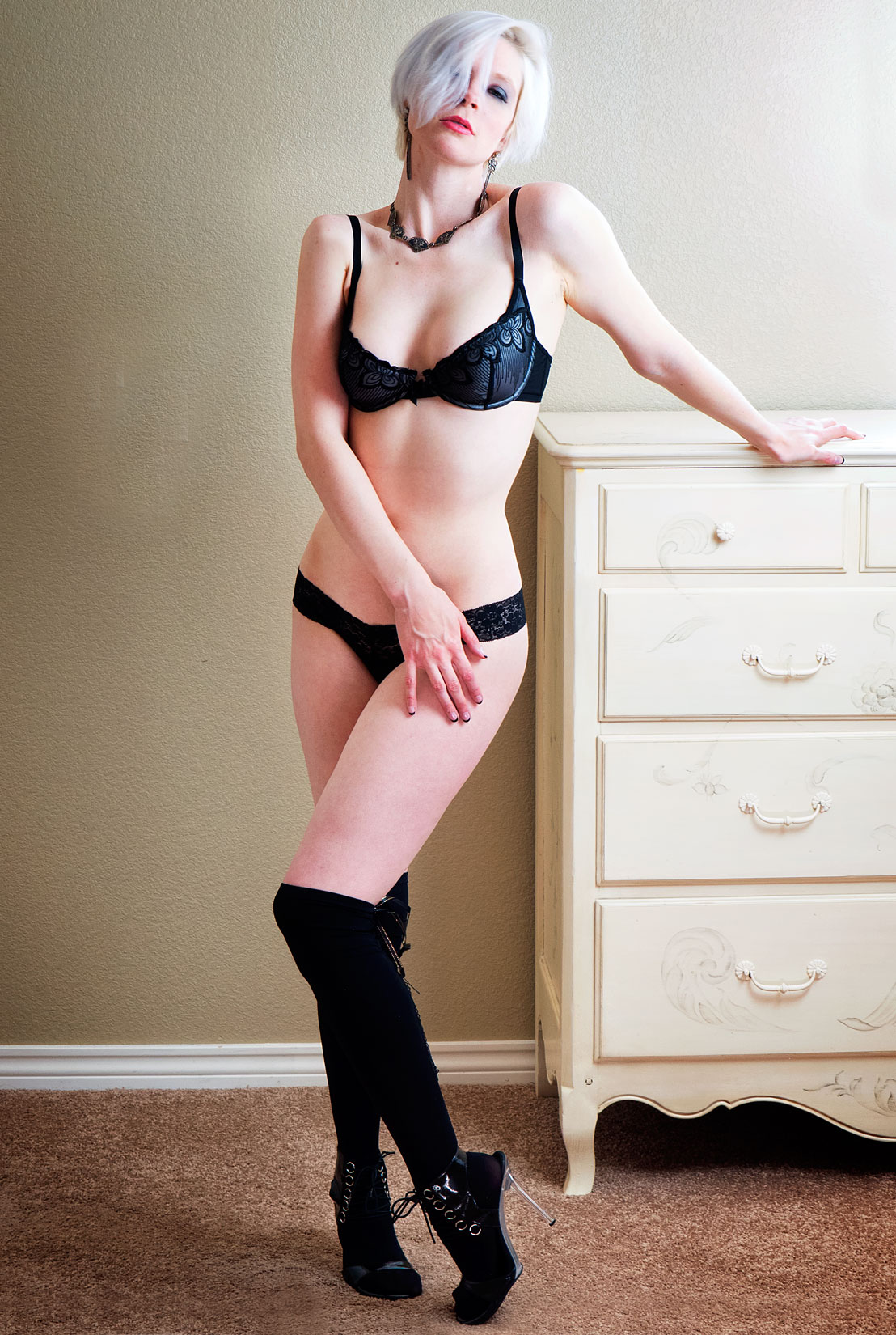
It’s #anythingcanhappenday and today’s post features a portrait of the amazing Pam Simpson in her underwear. This photograph was originally made and submitted for a Shutterbug lighting review but was, not surprisingly unpublished.
Today’s Post by Joe Farace
“Glam culture is ultimately rooted in obsession, and those of us who are truly devoted and loyal to the lifestyle of glamour are masters of its history. Or, to put it more elegantly, we are librarians.”–
Using continuous lighting for glamour photography has many advantages, especially for someone just getting started. It’s simple to use: You just turn on the lights and point them at your subject and get tol see the effect in real time. Continuous lighting sources are typically inexpensive, especially when compared to what were previously inexpensive electronic flash systems. And I’ll admit that. these days, some LED systems seem to be overpriced. On the other hand…
It’s Continuous
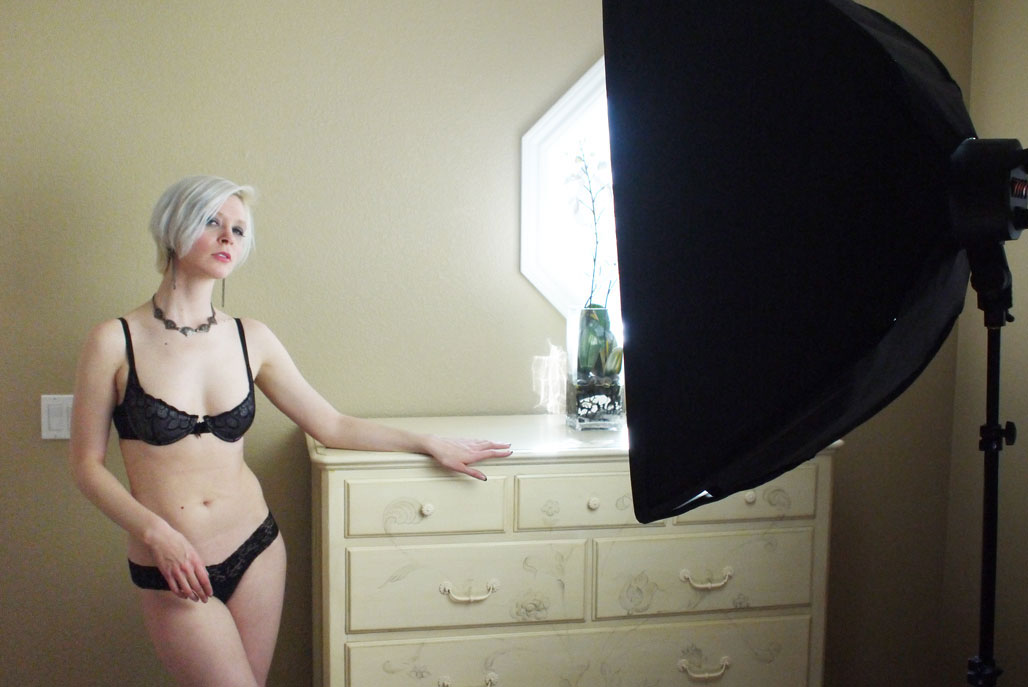 Fluorescent lights can can give LED’s a run for the money. except that they’ve become Persona non grata in the portrait lighting world and I guess for home use as well. The Good. Fluorescent lights work perfectly for hybrid video/still shooters because the RGB spikes from fluorescent light closely matches the receptive RGB spikes of your DSLR or mirrorless camera’s imaging chip. By comparison, tungsten lighting, which nobody seems to make anymore, produces 93 percent heat and seven percent red light. The Bad: CFL bulbs contain mercury and are classified as hazardous waste. Locations, such as, my local Home Deport and Batteries Plus stores, offer recycling for these bulbs, although the batteries guys may charge you a few bucks to so so. These days fluorescent lighting system seem in short supply. Anyone who might want to try fluorescent lights should take a look at Raya’s OC-OF7 Octa Fluorescent 7 Socket Fixture ($50) that has a seven-Edison socket base that accepts up to seven 50W CFL fluorescents, although to be fair, you could probably screw in LED light bulbs as well..
For today’s featured portrait of Pam Simpson, I used Westcott’s (fluorescent) Two-Light Daylight D5 Softbox Kit that is shown above right. It’s no longer available and the company has replaced it with their U60-B Bi-Color LED 2-Light Softbox Kit, which, if I owned one, could have used to create a similar image. I’m not sure what the exposure might be because I’ve found that, in general, I have to use higher ISO settings when shooting under LED lighting.
 The Westcott kit included two D5 light heads, two 24×32-inch soft boxes, ten 27-Watt daylight-balanced CFL lamps and two 6.5-foot lightstands. The softboxes have a reflective silver lining to maximize output with heat-resistant rods for mounting on the D5’s head.
How I made this portrait: For this portrait of Pam Simpson, I used one of the Westcott D5 heads with all its CFL bulbs illuminated along with one of the company’s 24×32-inch Basic soft boxes attached. The light was placed to Pam’s right. helping fill in for the weak available light coming from the octagonal-shaped window in one of the bedrooms in my Daisy Hill home.
The portrait was made using a Panasonic Lumix GH4 and Lumix G Vario 14-45mm f/3.5-5.6 lens at 33mm with an exposure of 1/125 sec at f/2.8 and ISO 800, which is a higher-than-normal ISO than I would have used with electronic flash. It was captured in RAW+JPEG format and the RAW file was opened in Adobe Camera RAW and then processed in Photoshop, Color balancing the images shot under this fluorescent light was not an issue.
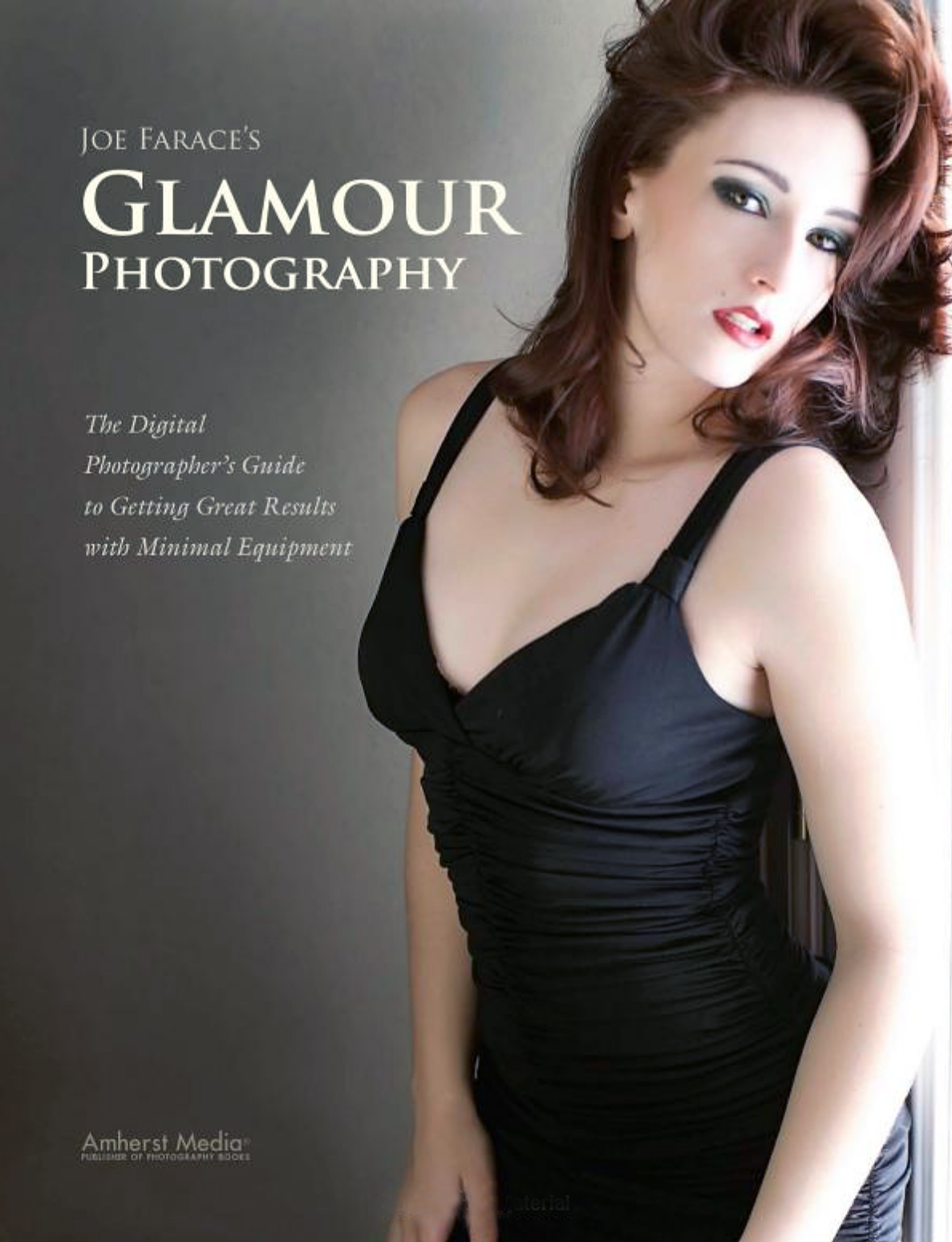
My book Joe Farace’s Glamour Photography is full of tips, tools and techniques for glamour and boudoir photography and includes information on all of the cameras used as well as the complete exposure data for each image. Used copies are $33.99. as I write this. The Kindle version is $19.99 for those preferring a digital forma