
Today’s Post by Joe Farace
“If you’re in control, you’re not going fast enough.”–Parnelli Jones (1933-2024)
 Parnelli Jones was always an automotive hero of mine, not just because of his Indy car racing career but especially when he drove a Ford Mustang in the SCCA’s Trans Am series where he had seven wins and 19 top-five finishes in 29 starts. I don’t know what he would have thought of my racing team’s name thiough! It was called Tortuga Racing and was started by Mary and I in 2001.
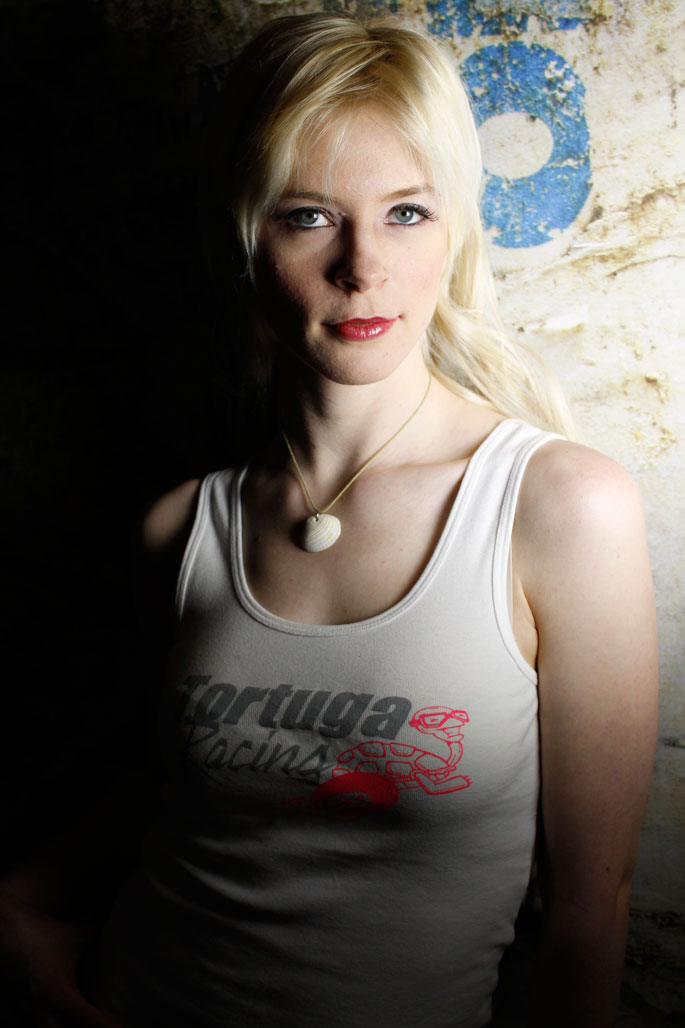
The “team” consisted of the cars we competed with in various forms of amateur motorsports such as SCCA Solo2, track days, as well as import drag racing. We wanted our little racing team to have a distinctive name and one not already in use. In case you didn’t already know, tortuga is Spanish for turtle or tortoise, which gives you some idea of the type of racers we were. Our motto was “never last” because while we didn’t think we could win any races–OK, Mary thought she could–and competed mostly for fun. What’s that have to do with today’s post? Our subject today, Pam Simpson, is wearing an official Tortuga Racing tank top featuring our mascot Tomas the Turtle.
A Look at the Lens Used
Sigma’s 30mm f/1.4 lens is part of the company’s Art series and has an angle-of-view equivalent to 45mm when used with APS-C format DSLRs like the Canon EOS 60D I tested it with. The lens is also available in Nikon mount. The lens has a Hyper Sonic Motor and produces quiet (for video) and fast autofocus. It has Sigma’s Super Multi-Layer Coating to reduce flare and ghosting and a nice lens hood and case is included.
To reduce expansion and contraction of its internal barrel, the lens is constructed from Thermally Stable Composite Material (aka plastic) but it’s high quality stuff. The 30mm 1.4 has a minimum focusing distance of 11.8-inches with a maximum magnification ratio of 1:6.8. The Sigma 30mm f/1.4 lens has nine-blade rounded diaphragm that produces attractive bokeh especially when shot wide open. While I planned to shoot the lens outdoors for some nighttime shots, an opportunity came up for me to use it in the studio…
 I think there are basically two types of portrait photographers: The first likes to shoot using “available light” by which they really mean “every light that’s available.” The second group, I’m mostly on this team, prefer to use as few light sources as possible because there’s less gear to fiddle with, which translates into more time spent concentrating on the subject. Using fewer lights is less expensive, reduces setup time and results in less weight to transport on location.
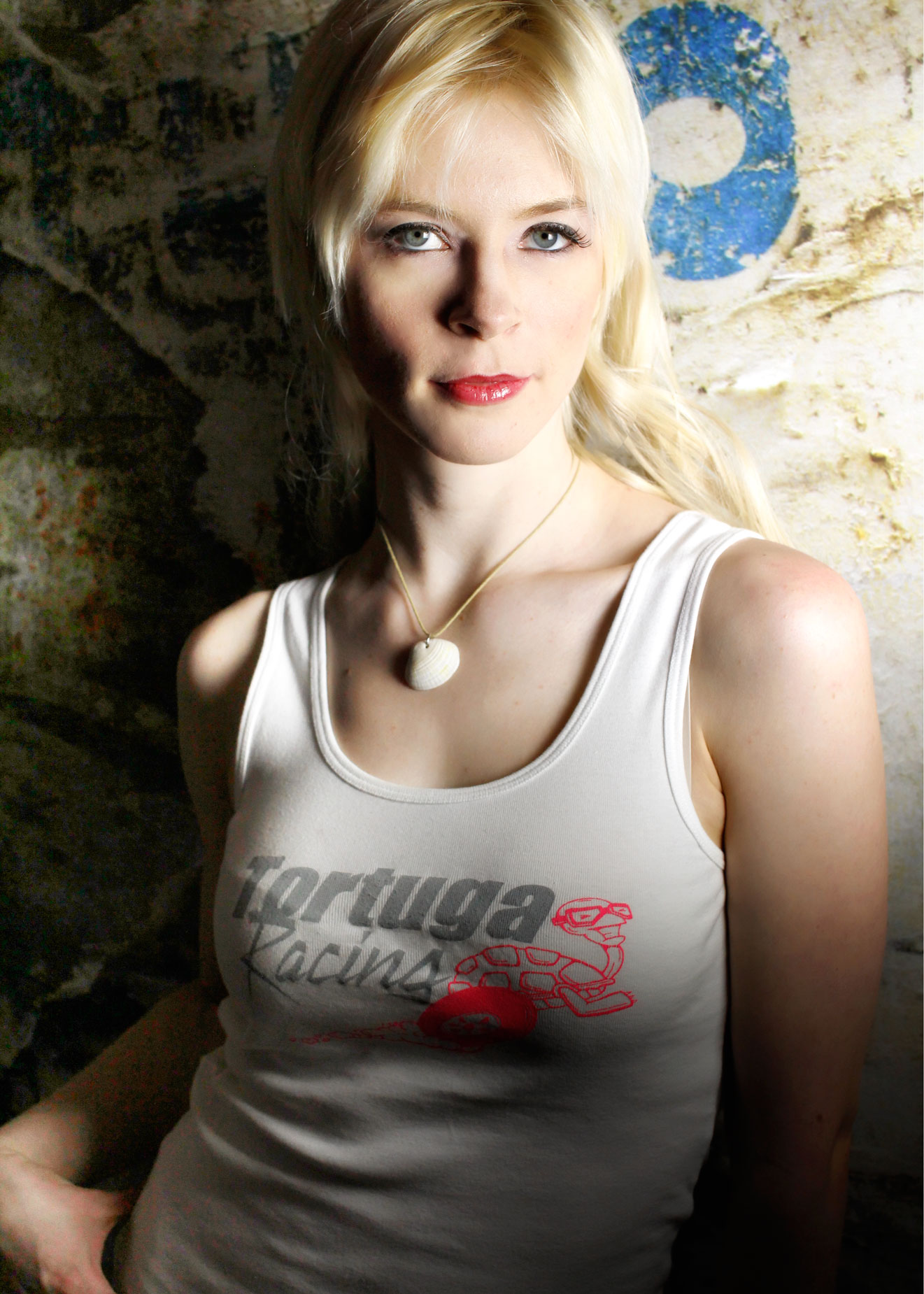
How I made this portrait: Can you make a portrait with just one light? I think so and have several posts on this subject, including this one. One of the best models I ever found through a modeling website was Pam Simpson. She is beautiful, versatile and was one of the most influential muses on my glamour photography. To emulate a low available light situation in the studio, a Bowens Limelite Mosaic LED panel was placed at camera right and set at one-eighth power. In order to simulate a real world lighting situation, no reflector was used. To compensate for less light being available, I bumped the camera’s ISO setting to 800. The final exposure was 1/125 sec at f/5 with a plus two-thirds soft exposure compensation. A Lastolite Distressed Paper collapsible background was used to simulate a real world wall.
You can see what the original JPEG file looked like in the upper right. To produce the final version at left I used a modified version of my Cut & Paste Portrait Technique to slightly adjust the tilt of Pam’s head. Then I cropped the image with Photoshop’s Cropping tool using a 5×7 aspect ratio. To open up some of the shadows I applied three different layers of the Pro Contrast filter from Color Efex to the left side of the image while retaining the dramatic available light look before applying the Glamour Glow filter, also from Color Efex to produce the final image you see here,
 If you enjoyed today’s blog post and would like to buy Joe a cup of Earl Grey tea ($3.50), click here. And if you do, thanks so much.
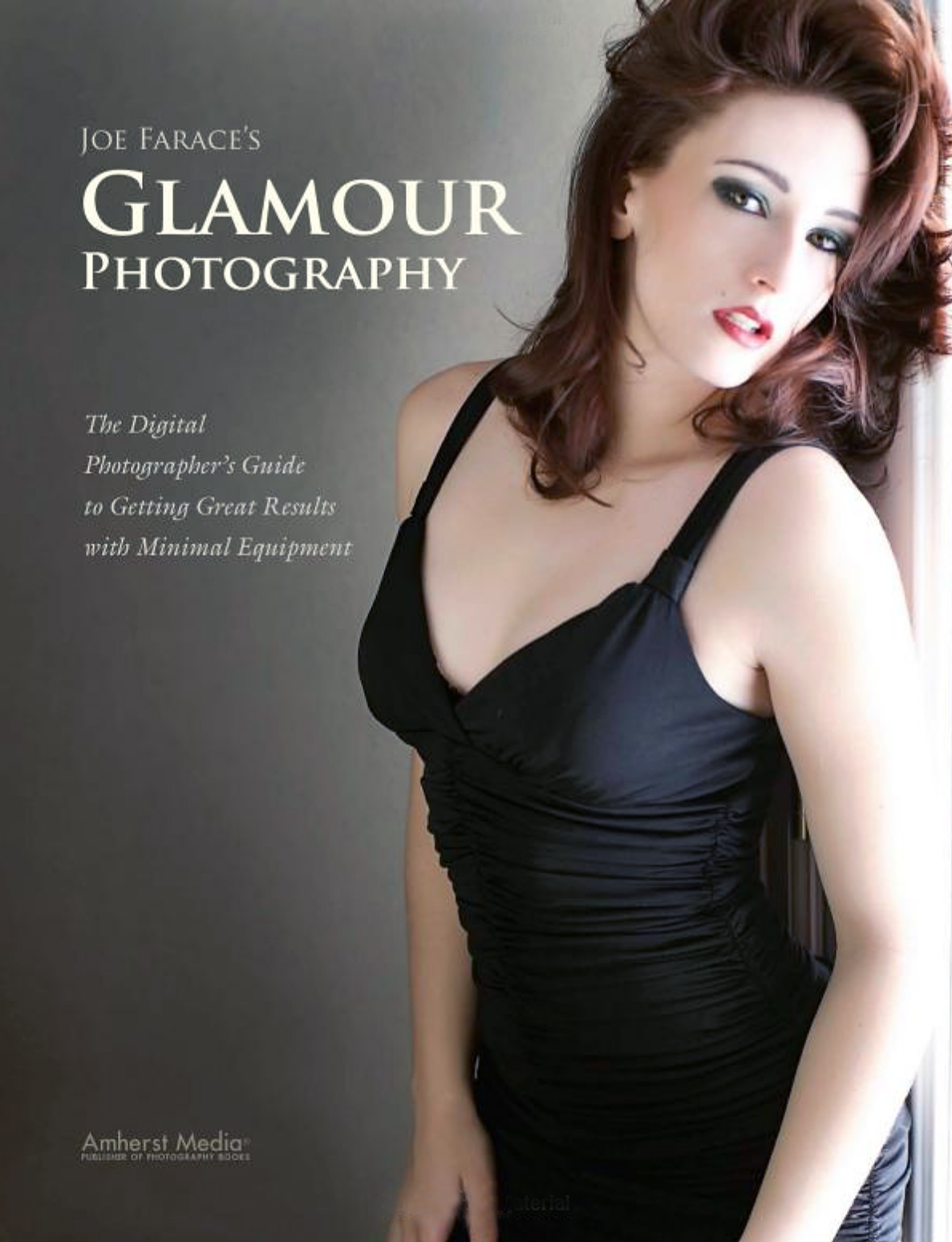
My book Joe Farace’s Glamour Photography is full of tips, tools and techniques for glamour and boudoir photography and includes information on all the cameras used as well as the complete exposure data for each image. Used copies are available from Amazon for $28.94, as I write this. The Kindle version is $19.99 for those preferring a digital forma