
Like last week, this Sunday’s Available Light Portraiture theme takes a different turn as we follow up yesterday’s post about exposure metering methods with a down-in-the-weeds look at a specific manual exposure technique. Today’s portrait is of Devra, a beautiful woman who, I believe, was not a model but the significant other of another photographer at a group model shoot in Phoenix and who I was lucky enough to photograph on a movie set.
Today’s Post by Joe Farace
“…amateurs worry about equipment, professionals worry about money, masters worry about light, I just take pictures…— Vernon Trent
 It may seem obvious that accurate exposure begins by correctly setting the lens aperture, shutter speed and ISO settings in proper relationship with each other to produce the look you like. You can set that exposure yourself manually or let the camera do it for you. If you decide to use the manual method you can use a hand-held light meter or you can use the one built into the camera by selecting it’s manual mode.
For 90% of the photographs you’ll make, any one of the automatic metering settings that are found on a modern DSLR or mirrorless camera will do a fantastic job in producing the correct exposure but it’s those other 10% that will drive you crazy and that’s what today’s post is all about.
The Darkest Object Method
One method is metering the darkest object (or shadow) in an image to determine the final exposure is by using a handheld spot meter or your camera’s spot metering function–see yesterday’s post–in combination with the Zone System, specifically by placing the darkest area of the image on Zone III to retain shadow detail. What?
Spot meters used to be widely available including some classics from Pentax and Minolta that are still available on the used marketplace. These days, the only new spot meter that seems to be available is Sekonic’s do-everything L-858D-U Speedmaster.
The Zone System is a photographic technique that’s used to determine the optimal film exposure and development time and was originally formulated by Ansel Adams and Fred Archer. Adams described the Zone System as “…not an invention of mine; it is a codification of the principles of sensitometry, worked out by Fred Archer and myself at the Art Center School in Los Angeles, around 1939–40.” And, yeah you can use those concepts for digital imaging too. There are many books about the Zone System but my favorite is The New Zone System Manual by Minor White, Richard D. Zakia, and Peter Lorenz. It’s a 1976 book that serves as a comprehensive guide to the Zone System for black and white photography and is available used at inexpensive prices.
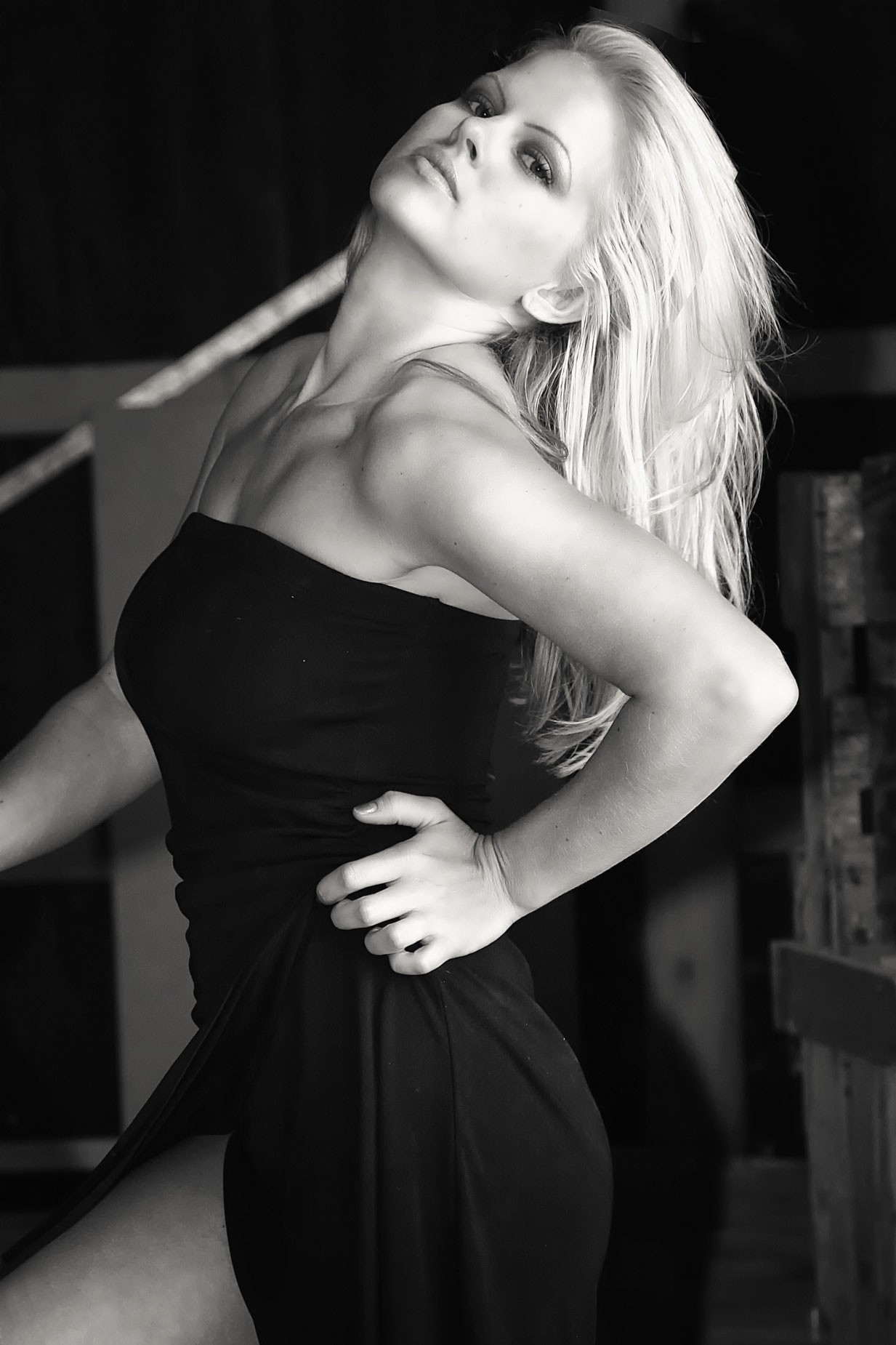 For images like this portrait of Devra, any light meter that reads the dark areas will force the exposure to 18% gray (or thereabouts.) To prevent the image from being overexposed, you might consider reducing the metered exposure by approximately two stops placing it on Zone III. This zone is commonly used as the target for crucial shadows to ensure they’re not rendered as featureless black and represent the darkest areas of a scene where you want to retain shadow texture and detail.
Back in the film days, one methodology suggested that you expose for the shadows and develop for the highlights. You can apply the same kind of thinking by capturing the portrait using your digital camera’s RAW file format but, depending on the image, it’s possible that some highlights may be lost. When I made this image, I had not yet embraced the RAW+JPEG capture method. My bad.
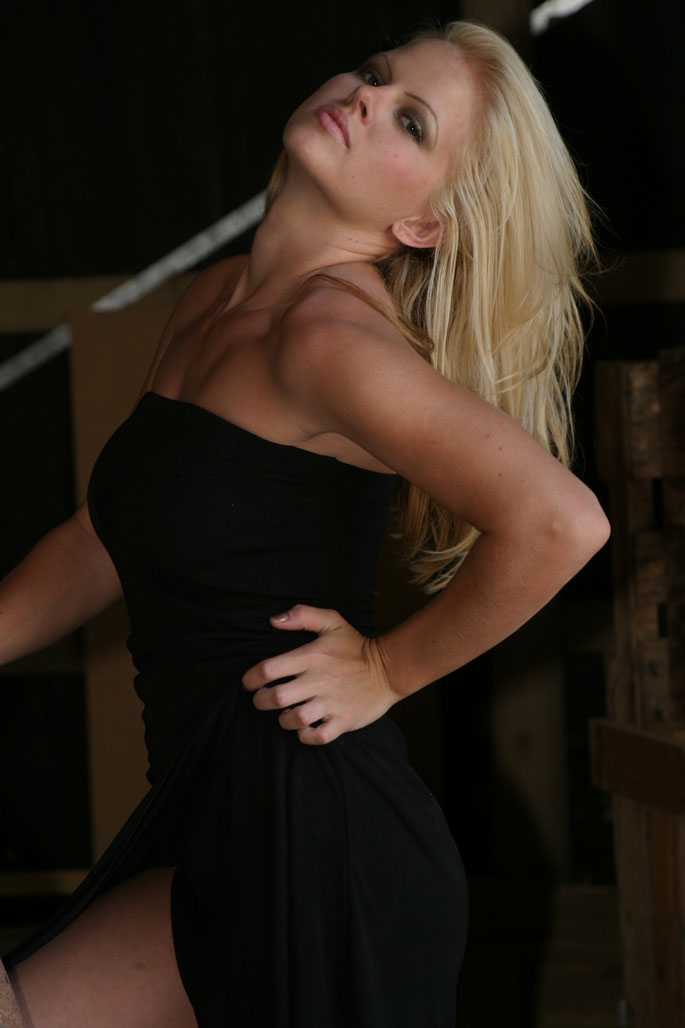
How I Made this Portrait: I photographed Devra during a group model shoot in Arizona while she was standing near the entrance to a barn. The camera used was a Canon EOS 10D with an EF 28-105mm f/3.5-4.5 II USM lens at 90mm. The lighting combined flash from a Canon 550EX speedlite with a Sto-fen Omni Bouncer diffuser attached to soften the light and daylight from the open barn doors producing a final exposure of 1/60 sec at f/5 and ISO 200 with a minus two-third stop exposure compensation. I probably didn’t need the exposure compensation as you can tell by the SOOC color image in the upper right.
The black and white featured image is an homage to Federico Fellini’s film La Dolce Vita and I converted the color JPEG file into monochrome using a combination of Silver Efex and Color Efex to produce the result you see. But not before some Photoshop shenanigans with burning and dodging and a modification to her head tilt using techniques borrowed from my Cut & Paste Portraiture technique.
 If you enjoyed today’s post and would like to support this blog, you can help by joining my Patreon, where memberships start at just $1.25 a month, with additional levels of support at $2.50 and $5 that include special benefits. If you do, I would like to thank you for your support.
If you’re interested in learning how I use cameras, lenses and lighting in my in-home studio and on location, please pick up a copy of Studio Lighting Anywhere which is available used from Amazon.com for less than ten bucks, as I write this. The Kindle version is $19.99 for those preferring a digital format.