
It’s Tricky Tuesday, a way for me to share some of the tricks, tips and techniques I’ve used over the years when shooting portraits in the studio, in this case, I’m having a flash back to the series of “Corset Monday” posts that I wrote. It’s also International Moment of Laughter Day and, I think, we could all use a little cheering up these days.
Today’s Post by Joe Farace
To put on a corset properly is as much of an art as to make a corset properly.–Anna Held
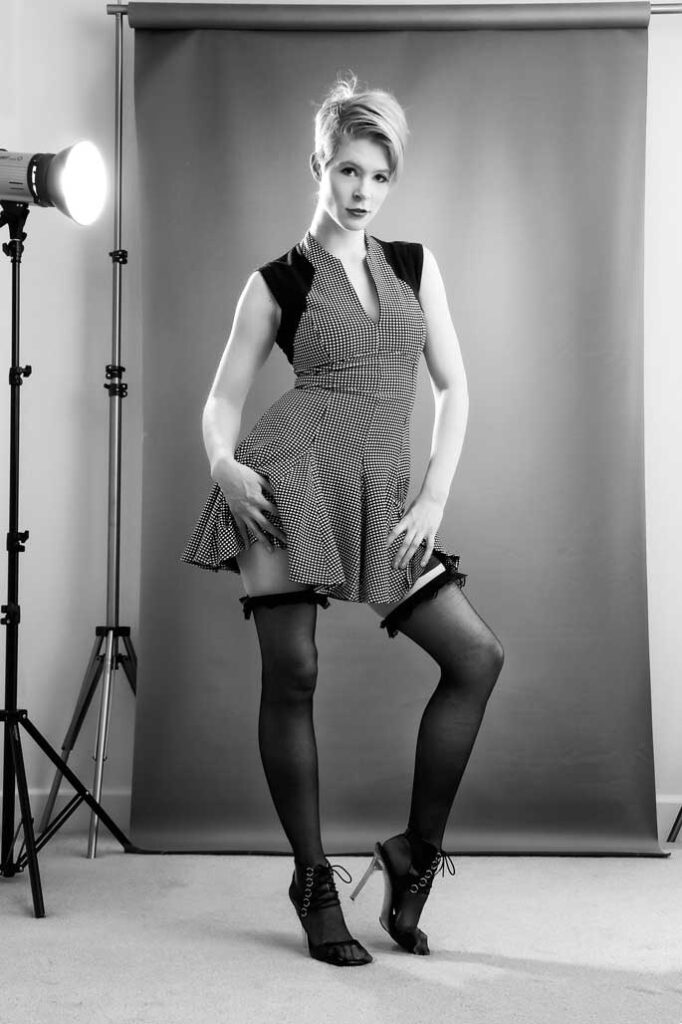 At one time, I tried to make a portrait of every model I photographed in a corset during sessions I had for lighting equipment reviews for the print edition of Shutterbug.. You may, or perhaps not, be surprised to know that management never published a single one of those photographs in the magazine. Since they, for their own reasons, wouldn’t let you see the images, I started a series of posts in late 2022, carrying into May of 2023, featuring many those images. If you would like to see them, use the Search feature (magnifying glass icon) and enter “Corset Monday.”
Light is, in fact, Light
When i started to refine what could loosely be called my photographic style, an old school photographer here in Colorado told me that “light is light.” What he was trying to tell me, I think, was that it doesn’t matter what kind of lighting equipment you use, be it speedlights, power pack and head systems or monolights, the most important thing about any light was the quality and direction of the output. Expensive computer controlled lighting systems may be more convenient to use in the studio and the ones I’ve tested have been amazing in the amount of control they provide but shooters just getting started may not be able to afford them. So, as I am fond of saying, “what’s a poor hippo to do?” (Written on the side of an old coffee mug that I once owned.)
One alternative is to buy used lighting equipment and this is what, when Mary and I had our studio, we started with. At one point, I had a friend who was upgrading his studio by selling his inexpensive monolights and replacing them with an expensive power pack and head system because that’s what worked best for him. Doing that, he put a set of really nice, professional lighting equipment on the market for sale at affordable prices. Those last three words are the most important.
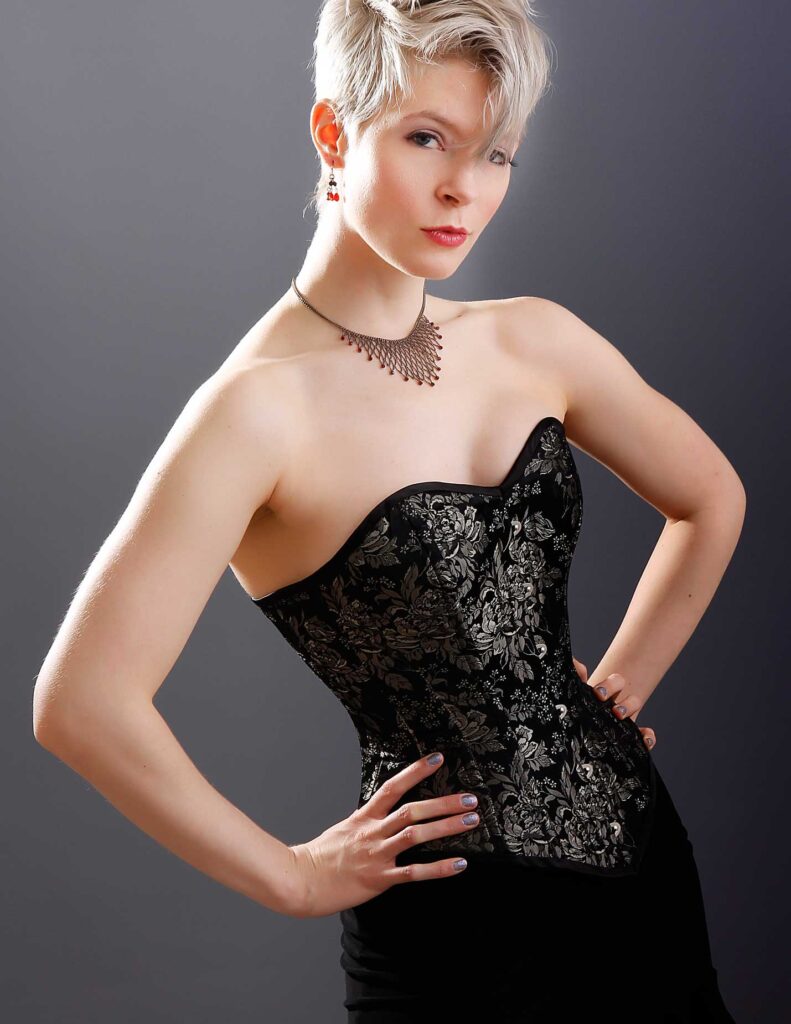 Do you have a home studio> The featured image was made in an11x15-foot studio that I’ve been using in my basement for the past 15 years. Or you might have to convert your living room into a studio as Mary and I did when we got started 30 years ago? After the shoot, we then had to convert it back into being a living room. Do you prefer to shoot on location, even if it’s just part of your home?
Most importantly what is your lighting budget? When making any purchase decision, keep in mind that “light is light.” The studio lights I used to make the above image were a pair of old, inexpensive Flashpoint monolights that I’ve since sold. Over the years, I tested lots of Flashpoint lights for Shutterbug and you can read reviews of some of them on their website. The were fairly well made, decently constructed but most importantly they were inexpensive and they worked. In my studio these days, I’ve standardized on Paul C. Buff’s DigiBee and AlienBee monolights and I really like these workhorse lights because they’re affordable, simple to use and work well for me.
How I made this portrait: The above portrait of the always amazing Pamela Simpson was made using two of my old Flashpoint monolights; In the above right setup photo, you can see the placement of one of them at camera left with a standard reflector attached. The main light is at camera right with a 60-inch parabolic white umbrella used in shoot-though mode. The background is a Savage Photo Grey Infinity vinyl backdrop hung on JTL background stands. The camera used was a Canon EOS 60D with EF-S 15-85mm f/3.5-5.6 IS USM lens (at 50mm.) Exposure was 1/100 sec at f/13 and ISO 100.
 If you enjoyed today’s blog post and would like to buy Joe a cup of Earl Grey tea ($2.50), click here. And if you do, thanks so much.
Joe Farace’s Glamour Photography is full of tips, tools and techniques for glamour and boudoir photography with new copies available from Amazon for $27.90. Used copies start at around twelve bucks, as I write this and the Kindle version is $19.99 for those who prefer a digital format.