
It’s #FlashBackFriday and #FilmFriday and I’m feeling nostalgic…
Today’s Post by Joe Farace
The most powerful weapon in the world, as far as I’m concerned, is the camera. —Paul Watson
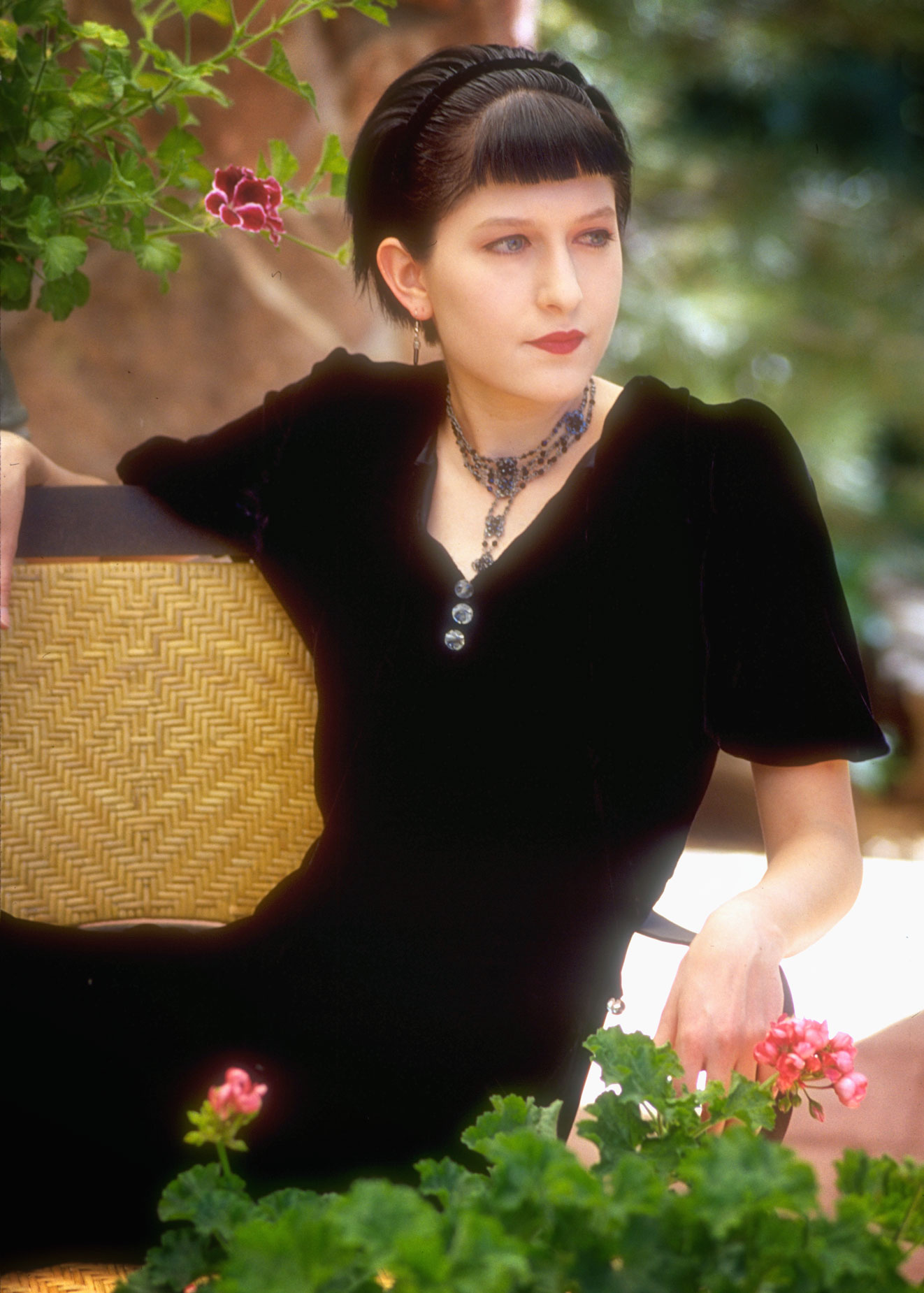
One glaring aspect of digital photography is that it appears that I capture more images during a photo session than when I shoot with film cameras. During the film era when I made today’s featured image, during a model shoot I would typically expose two or three rolls of 35mm film. Sometimes these were 24 exposure rolls, so a shoot might consist of my making 72 to 108 images. When shooting the same kind of session today with a DSLR or mirrorless camera I’ll make 300 on average. Why is that you think? Is it just because of the cost difference of making these images? Or more importantly, are any or all of these photographs better than the fewer ones I previously made?
Or is it fewer shots, more fun?
 So the question I’m really asking today is: Are the photographs I’m making these days better than when I was shooting fewer photographs with film? Does my not worrying about the cost of film and processing free me to produce not just more images but better ones? I really don’t know, so I asked a few people what they thought:
A former Shutterbug editor told me during a model shoot he would shoot three rolls of 120 and two rolls of 35mm film—120 shots—but with digital capture he usually makes 600 shots. A wedding photographer I know said, “Just thinking about film and processing costs increases my resistance to pressing the shutter.” This is where that the law of unintended consequences comes into play when capturing a large number of digital images:
- Editing time: How much time does it take to sort and edit all of these digital shots? It’s such a time consuming process that “culling software” is a fast growing new program category. I admit the idea of an AI finding the sharpest images where the subject’s eyes are open and in focus is appealing but it could minimize my ability to make cut-and-paste portraits.
Photo culling is one of photographers’ most dreaded tasks. It’s time-consuming and somewhat tedious. If you’re shooting in high volumes, this can look like going through thousands of photos trying to narrow it down to 500-600 of the best images.—Rebecca Bradley
- Wear and tear: on your camera. Is making all of these exposures adding premature wear and tear to your cameras? This practice has got to affect shutter life more than it does with film shooters who are shooting far fewer images. The general response I received when I asked “Is it worth repairing a digital camera? was: “Buy a new camera. It comes with a guarantee,and few, if any, shutter activations.” Really?
How I Made this Portrait: If you want to give your portrait a “film look,” why not just shoot it with film? I photographed this young model from an agency in the outdoor area of a friend’s studio (when they were closed) using available light with (maybe) a reflector placed at camera right. The camera was my original Contax 167MT, not the one I recently purchased, and a Carl Zeiss 85mm Sonnar f/2.8 lens that has fabulous bokeh. The exposure on Kodak color negative was unrecorded. Scans were from Kodak’s original Photo CD that had been previously loaded into Apple’s iPhoto, when the program accepted PCD files—they don’t any more. Then I transferred the image file from iPhoto to Photoshop for light retouching. Grain from the film scan was moderated with Dfine and I applied the Glamour Glow filter that’s part of Color Efex as the final touch.

My book Joe Farace’s Glamour Photography is full of tips and techniques for using the cameras and lenses in my gear closet to produce glamour and portrait photography. New copies of the book are available from Amazon for $30.54, with used copies selling for around ten bucks, as I write this, which is a bargain just based on its 125 pages of useful information. The Kindle version is $19.99 for those preferring a digital format.