
My Sunday Series on Available Light Portraiture continues today with a portrait of a young model that was made in the kitchen of my former home using window light from a North-facing bay window.
Today’s Post by Joe Farace
“Photography is an art form like no other. It allows you to instantaneously capture time, and at the same moment, fade the colors of day into night so that you can print them out again and give them to the world, in the purity of black and white.” —Andri Cauldwell
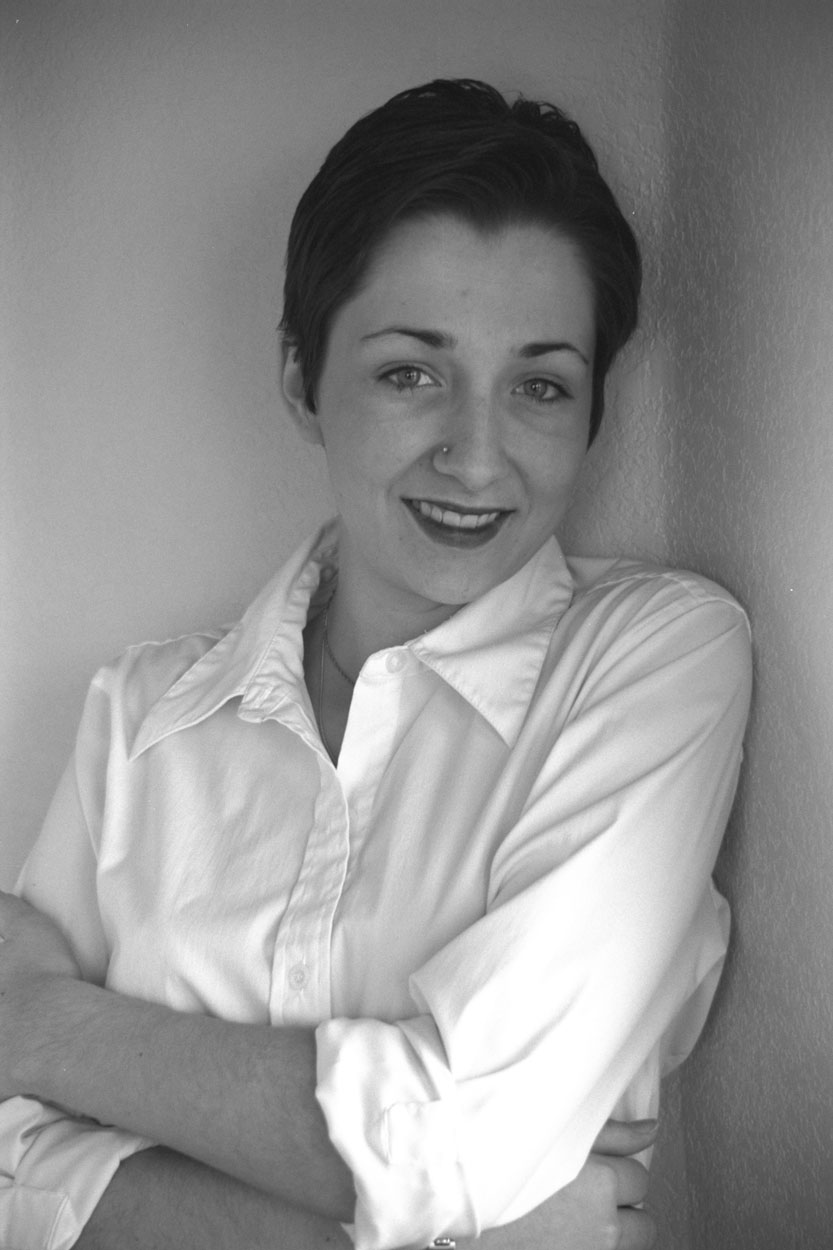 Black and white is a wonderful media for making portraits because the lack of color helps to simplify the image, allowing the viewer to focus on the real subject of the photograph instead of being distracted by their clothing or surroundings. Sometimes the nature of a subject demands that the image be photographed in black and white. Arnold Newman’s 1946 portrait of Igor Stravinsky could have never been made as effectively in color. Trivia: Mr. Newman and I shared the same mentor early in each of our photographic careers although the gap between those times is about 20 years. He must have really paid attention. Me? Not so much, it would seem.
Monochrome Portraiture
There are also trendy aspects associated with creating photographs in black and white. Movies and fashion magazines periodically rediscover black and white as a way to produce images that look different than what’s currently shown. A perfect example is the heart breakingly beautiful Blancanieves, a 2012 Spanish silent black-and-white film that re-imagines the Snow White story within the context of the 1920’s bullfighting world, If you haven’t already seen it, you simply must. It’s on Joe’s Movie Clubs list of my 100 favorite movies.
Over the past several years, several portrait photographers have told me they have seen a higher than normal demand for black and white portraits than was previously the case. Individual and family portrait decisions are also driven by these same trends. It’s something to think about for your next portrait shoot and since you can shoot in color and convert later to black & white, you still have that color original, just in case. Or better yet, shoot in RAW+JPEG, setting the camera in monochrome mode so you have a black and white JPEG to use as a “proof” and a color RAW file to convert to monochrome later. Barry Staver and I take a look at RAW+JPEG capture in our Pixels, Grain and Cookies podcast;
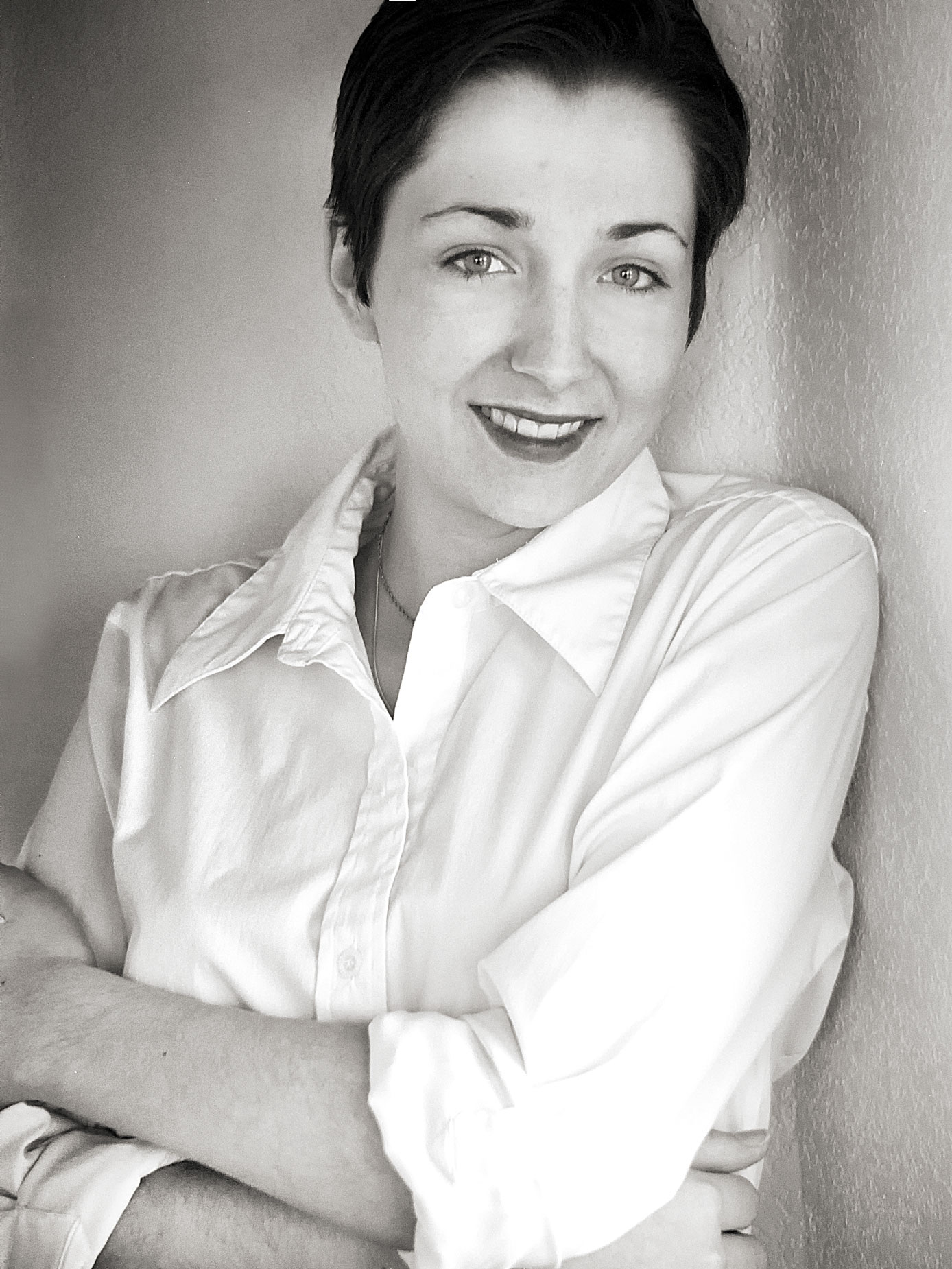 How I Made this Portrait: This portrait, shot on film, has a decidedly 1950’s poet’s vibe to it. The image feels like a throwback to a time when photojournalism was king and this is the kind of portrait that serious photographer would make. Since I was in high school back in the fifties, I was not much of a photographer back then but I tried, although this image was made in this century.
I used to have an arrangement to photograph new models for a local modeling agency. Initially the images were made on film and I would typically shoot one roll of color negative and one of black and white film in a Time for Prints trade. If I was able to use the image in a product reviw for Shutterbug, I would send the agency a copy of the magazine, which was a big deal back then. As digital photography came in, I gave = the models a CD or flash drive of all the JPEG images we made together; they loved that approach.
In those days, other than a few speedlights, I didn’t have any real lighting equipment and most of the images I made were shot using window light, like this portrait. The photograph was made using a Contax167 MT with a Carl Zeiss 50mm f/1.4 in C/Y mount. The film used was Kodak Tri-X and the exposure was unrecorded. After processing, the film was scanned using Kodak’s Photo CD Process. You can see the original scan above right and read about the process here. After a tiny bit of retouching, there’s not much you can do with a black and white portrait. I added a little platinum toning to the final portrait because I thought the model, pose and mood had a delightful 1950’s vibe.
 If you enjoyed today’s blog post and would like to buy Joe a cup of Earl Grey tea ($3.50), click here. And if you do, thank you very much.
My book Joe Farace’s Glamour Photography is full of tips, tools and techniques for glamour and boudoir photography and includes information on all of the cameras used as well as the exposure data for each image. Used books are available from Amazon for $45.08, I write this. A Kindle version is $19.99 for those preferring a digital format.