
Today’s Post by Joe Farace
Racing, competing, it’s in my blood. It’s part of me, it’s part of my life; I have been doing it all my life and it stands out above everything else.—Ayrton Senna (1960-1994)
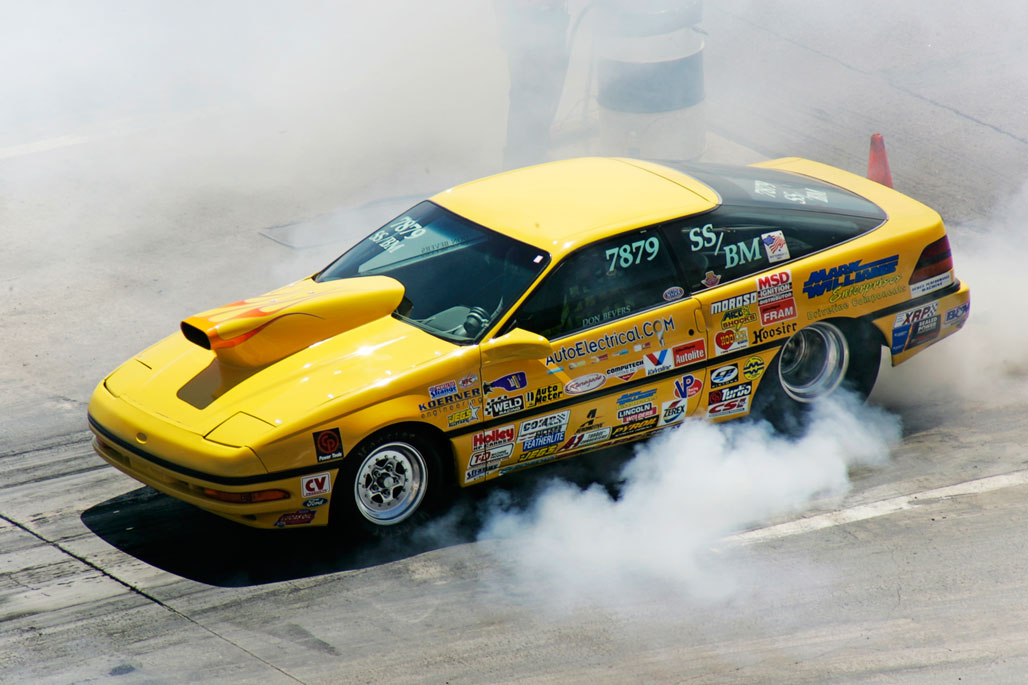 I’m often asked about how I crop images or even if I actually crop my motorsports photographs, so here’s the deal:
My Approach to Cropping
After capturing images at the race track and then processing them, usually in Photoshop, I seldom crop, preferring to crop in-camera in order to extract the maximum image quality from the minimum number of pixels. I think this approach goes back to all the years that I spent shooting film. I always followed the advice one of my mentors, Leon Kennamer, to “get it om the negative”
This philosophy was carried over to when I started shooting with DSLRs; I tended to shoot with cropping in mind. I find that this method is especially true with the small-ish 18 x 13.5mm sensors found in my Micro Four-thirds cameras but I’ll make the occasional exception to this rule for some of my drag racing photographs, which tend to be shot with full frame and APS-C DSLRs..
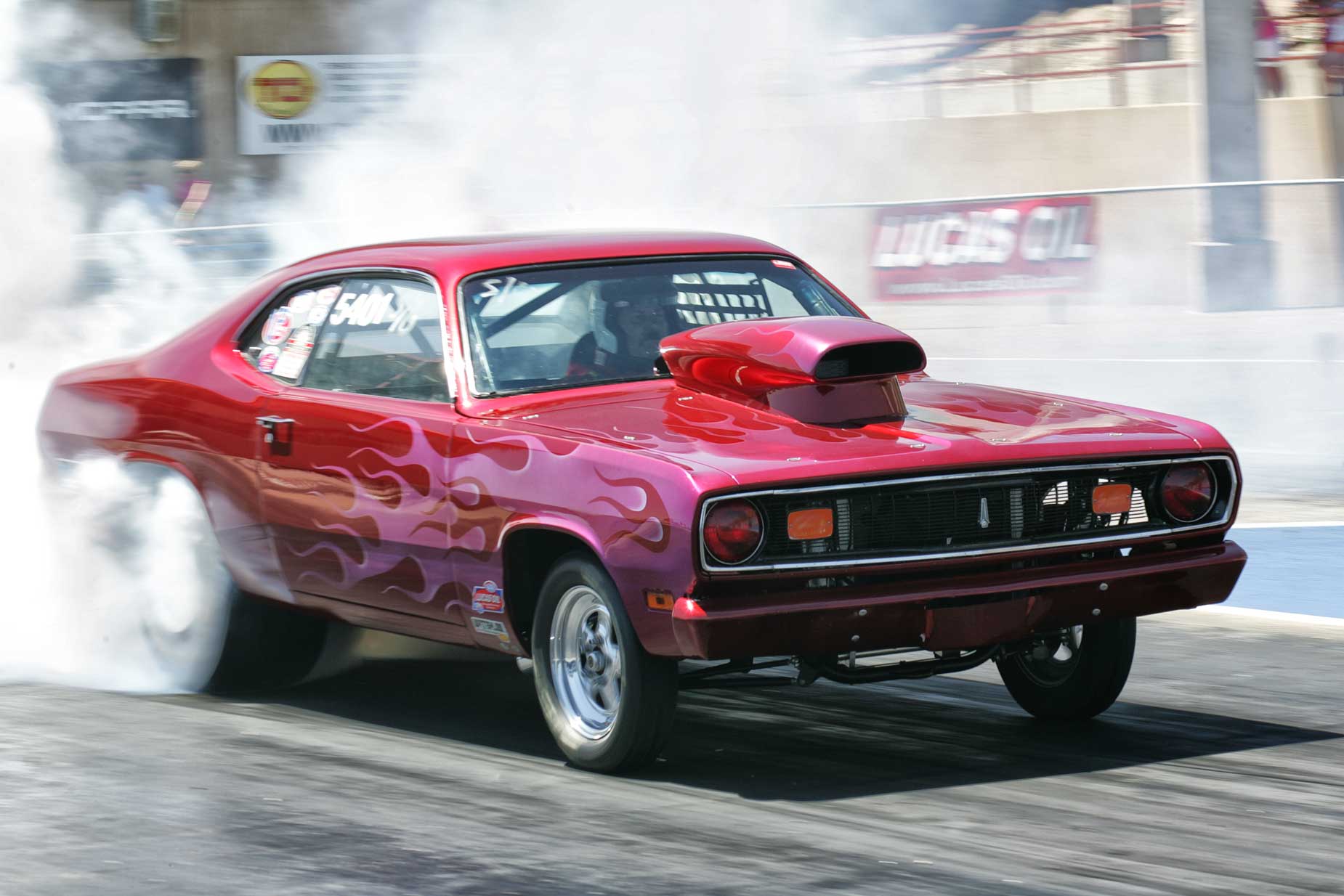
How I Made this photograph: I captured this Plymouth Duster (please correct me if I’m wrong) at the now-closed Bandimere Speedway. The camera used was a Canon EOS 1D Mark IIN with an EF 75-300mm f/4-5.6 III lens at 100mm.The exposure was 1/80 sec at f/11 and ISO 100 with a minus one-third stop exposure compensation.
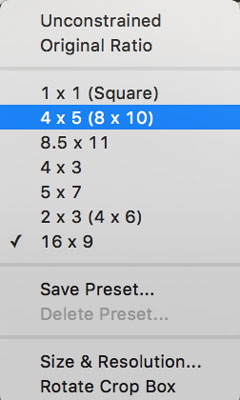 One thing that you’ll notice when you’re at the track is that there are lots of people—spectators, crew, and safety staff—who inevitably walk into your frame. That’s when I’ll crop but when I do I try to maintain the image’s original aspect ratio.
Aspect ratio is the relationship between the height and width of the image and is usually expressed as a comparison of two numbers. Traditional 35mm film cameras and full frame DSLRs use a 24 x3 6mm (3:2) format but these days most DSLRs and mirrorless cameras let you shoot in different aspect ratios, including the widescreen 16:9 HD video ratio.
The way I typically crop my car photographs in Photoshop it is to set the program’s Crop tool using the original proportions of the photograph. Photoshop CS6 (and CC) gives you the option of maintaining the “original ratio” or you can shoose a bunch of others. My philosophy has always been that by using the original ratio the cropped image maintains the same look as the original photograph and don’t look “cropped.” But that’s just me.
Some of my photographer/friends like to kid me about this approach because I am nowhere near a purist in any of the rest my work. The most important part of the last sentence is this is the way I like to do it. Since this is not a “my way or the highway” blog, you should crop your photographs any way you like.
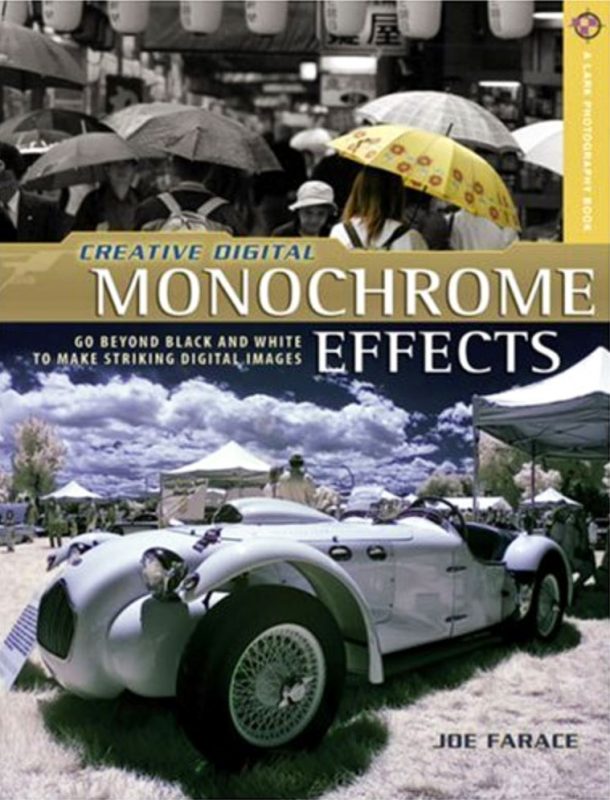
My book, Creative Digital Monochrome Effects that has a photograph of an Allard on the cover is available from Amazon for $11.46 with used copies starting for around eight bucks, so you might as well spring for the new book. This is a heckuva deal and if you bring a copy to any one of our Cars & Coffee PhotoWalks, I’ll be glad to sign your copy.