
Today’s Post by Joe Farace
“The whole point of taking pictures is so that you don’t have to explain things with words.” ―
When I’m teaching a workshop or seminar, no matter what the ostensible subject of the class may be, the topic of exposure almost always comes up. Ultimately my answer comes down to latitude: Exposure latitude is a measurement of how much an image created with either film or a digital imaging sensor can be overexposed or underexposed and still produce an acceptable result.
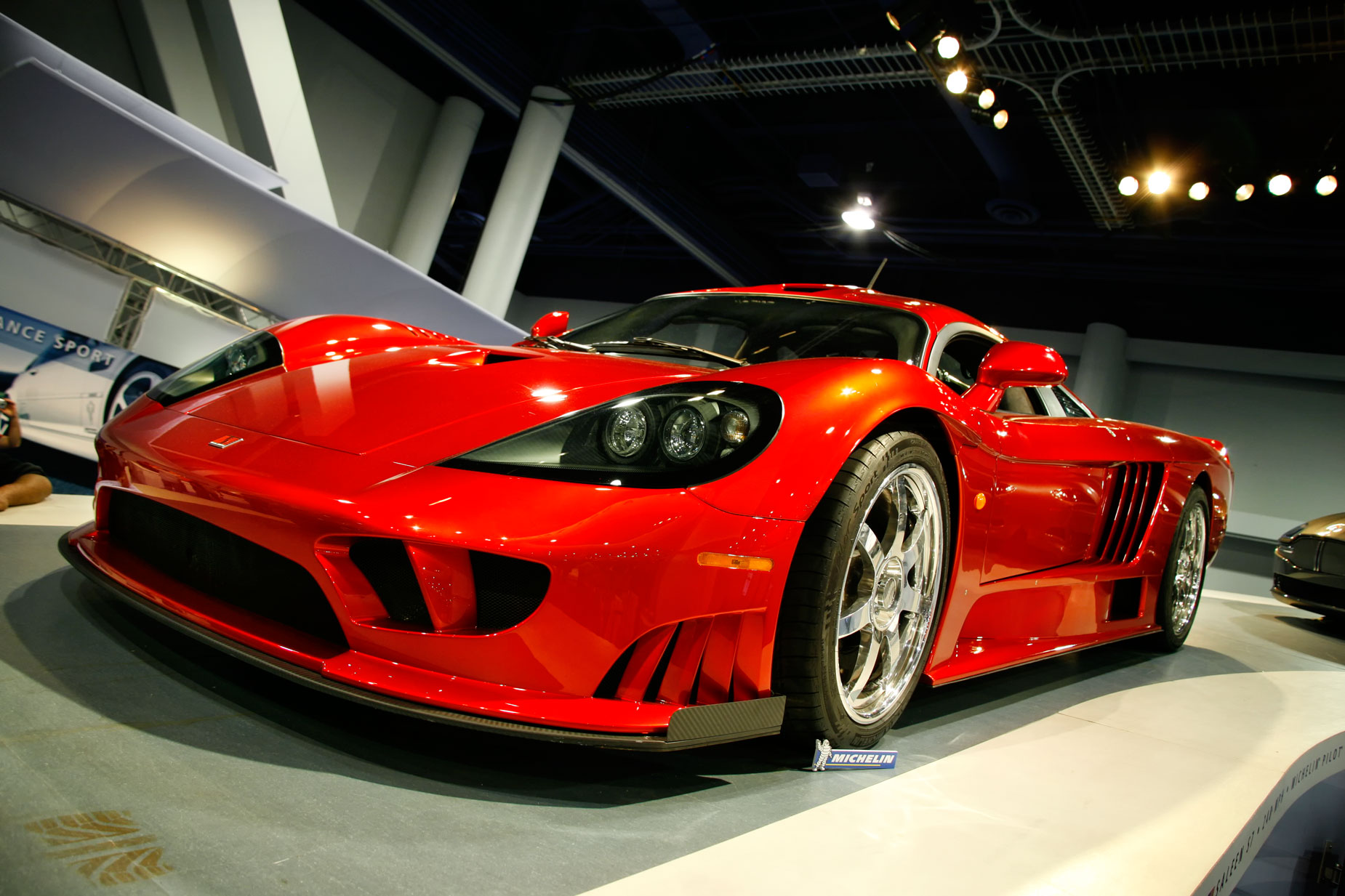
How I Made This Shot: This image of the dramatic Saleen S7 was captured at a previous SEMA show in Las Vegas. The camera used was a Canon EOS 5D Mark I with EF28-135mm f/3.5-5.6 IS USM lens (at 28mm.) Exposure was 1/100 sec at f/5.6 and Auto ISO mode—it was ISO 800. I used to be opposed to using Auto ISO but time and experience changed my mind. You can read about my thought process here.
These days not every photographer started making images with film cameras but any understanding of how to obtain proper exposure is helped with just a little bit of information about how film capture worked and still works today.
Slide film has the least amount of latitude, especially on the overexposure side. Color negative aka print film has more latitude for underexposure, sometimes amazingly so. The imaging sensor in your DSLR or mirrorless camera seems to respond to exposure much like a hybrid of these two different kinds of color film: Any overexposure wipex out the image data but underexposure has more latitude, almost as much so as film. The downside of underexposure is the inevitable creation of noise, especially in the shadow areas.
So what is the correct exposure for a a particular image? I believe only you are the ultimate arbiter of what is “correct” and one way to evaluate a particular image’s exposure is by using your camera’s histogram function. Check your User’s Guide for information how to display a histogram on the camera’s LCD preview screen. Some cameras even let you display it in real time before capture.
Histograms appears on your camera’s LCD screen as a graph displaying the photograph’s range of brightness from highlight to shadow with light in 256 steps. Zero is on the left size of the graph and represents pure black; 255 is on the far right-hand side and represents pure white or the famous shot of a “Polar Bear in a Snowstorm.” In the middle are the mid-range values representing grays, as well as browns and greens.
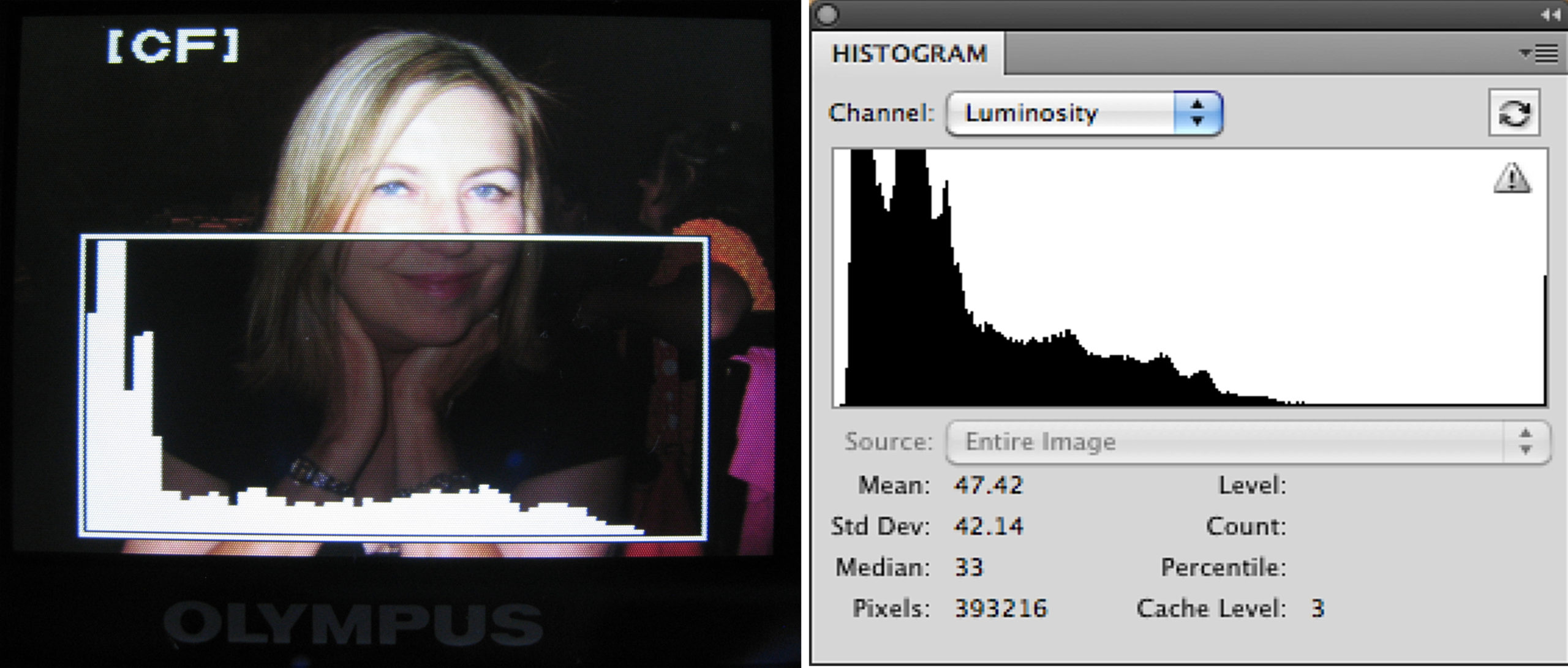 On an average photograph, all of a image’s tones will be captured and the graph will rise from the bottom left corner then descends towards the bottom right producing what statisticians call a bell-shaped (aka Gaussian) curve because it’s shaped like a bell. If the histogram’s curves starts out too far in from either side or the slope appears cut off, then some data is missing or the image’s contrast range may exceed the camera’s capabilities to capture what you see with your eyes.
While the classic histogram features a bell-shaped curve, not every photograph fits this type of distribution. Dramatic images with lots of light or dark tones areas often have really lopsided histograms but that doesn’t mean they aren’t good photographs.

Along with photographer Barry Staver, Joe is co-author of Better Available Light Digital Photography that’s available from Amazon with used copies for giveaway prices—starting around five bucks—as I write this.