
Today’s Post by Joe Farace
There are two ways of spreading light: to be the candle or the mirror that reflects it. —Edith Wharton
One of the basic concepts about photography is that light has four major qualities: color, quality, quantity, and direction. As photographers who are seeking to master the art of exposure, how to seeing (and then capture) that light is the key to mastering the art of exposure, especially when it comes to photographing cars.
Learn to See the Light
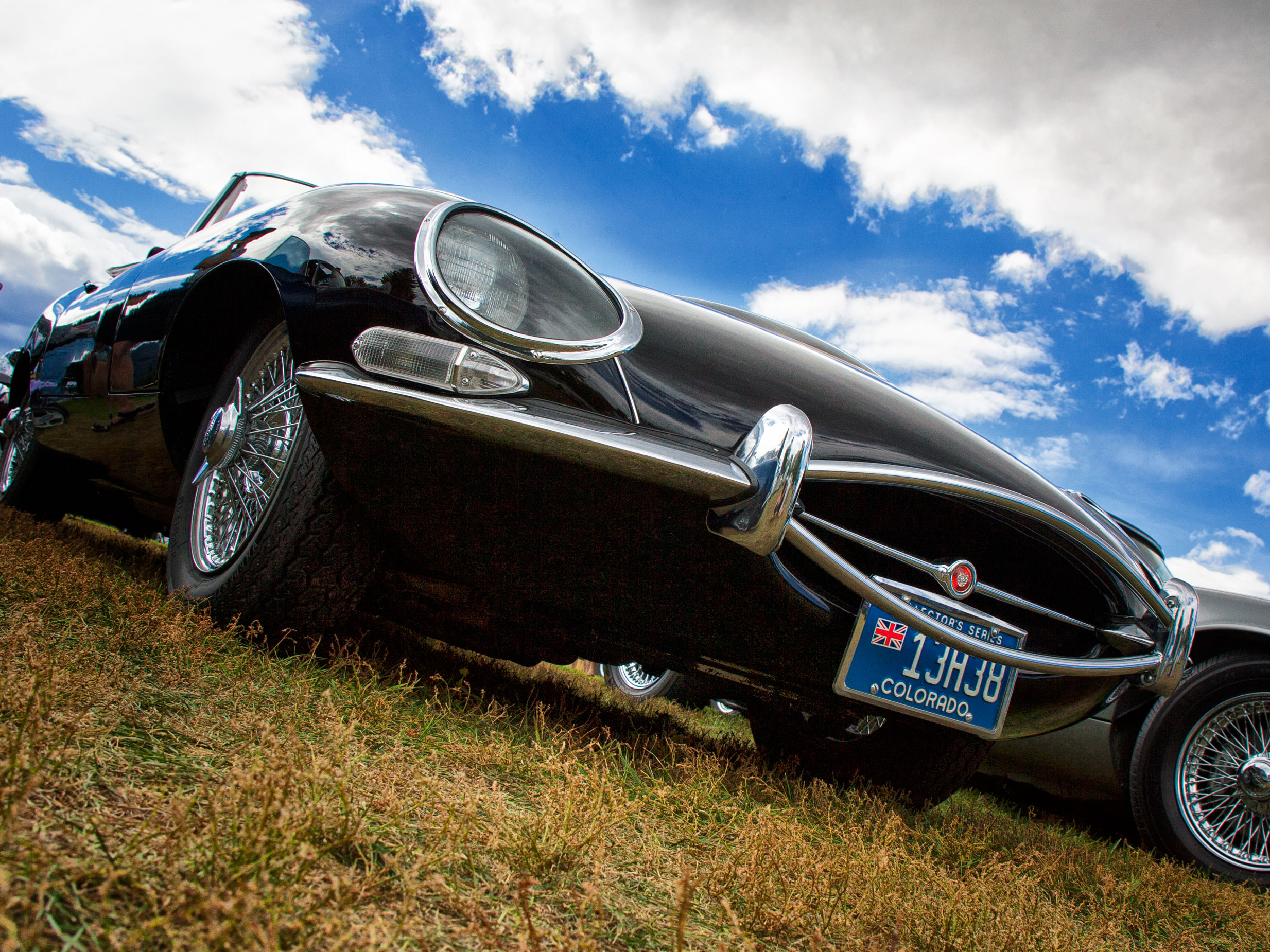
How I Made this Image: I photographed this Jaguar E-Type at a English car show in the Denver area a few year ago. The camera used was the Canon EOS-1D Mark IIN with with the wonderful EF 28-105mm f/3.5-4.5 lens at 28mm. Exposure was 1/400 sec at f/13 and ISO 200.
Learning to see light is not difficult but takes some practice by not just constantly making new images—it doesn’t have to be of cars—but also taking the time to analyze those photographs after you’ve created them. For example, the exposure for the black Jaguar (above) had an exposure compensation of was one and one-third stops less that the camera indicated as “correct.”
I’ve always believed that camera’s designers realized that no amount of automation will produce a perfect exposure under all possible lighting situations and what some people might consider the correct exposure. others might not. You are the final arbiter of what’s really correct. To help you home in on an ideal exposure, your camera’s Exposure Compensation feature lets you increase or decrease the automatic exposure by your choice of one-half or one-third tops to get the exposure you like. (I prefer one-third stops but this is not a “my way or the highway” blog.) Using the camera’s LCD screen and histogram can help you fine tune what what you really this is best.
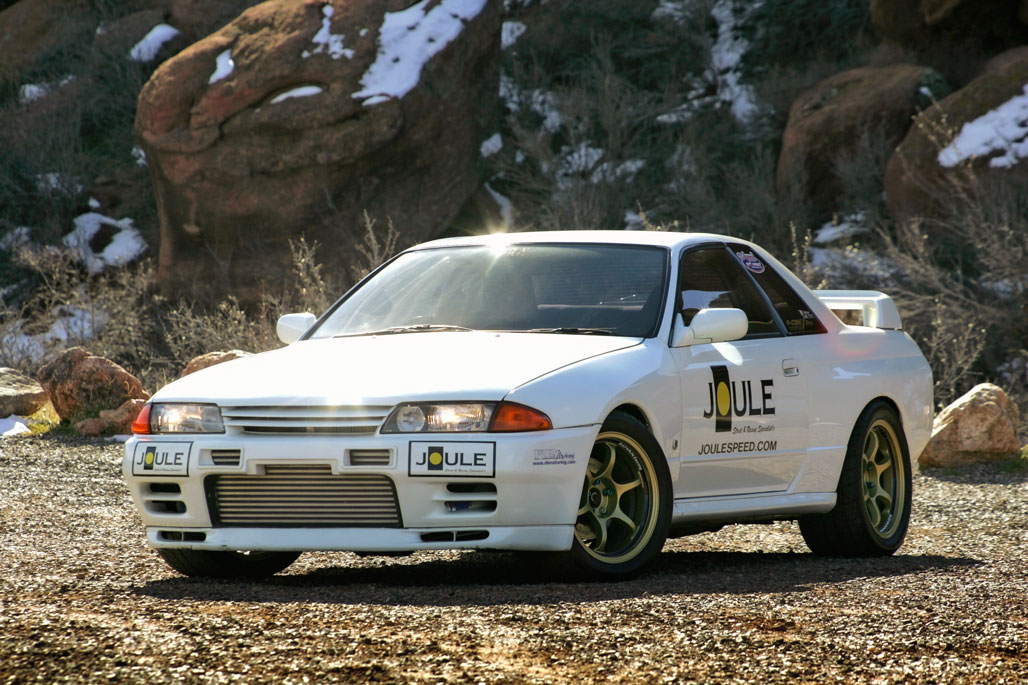 One of the first tips that I give aspiring car photographers is that they should underexpose black cars to render them as black and overexpose white ones, so they look white. When you think about this concept, it makes perfect sense: By forcing the exposure to middle gray tones, you’ll end up with a white car that looks gray or a black car that looks gray too. For example, the exposure for the white Nissan Skyline (at right) was 1/500 sec at f/10 and ISO 200, which is two-thirds stops more that the camera indicated as “correct.”.
For more on this subject, check out my post Understanding Digital Exposure Techniques when you have time.
 If you enjoyed today’s blog post and would like to buy Joe a cup of Earl Grey tea ($2.50), click here. And if you do, thank so very much.
Along with photographer Barry Staver, I’m co-author of Better Available Light Digital Photography that’s available from Amazon for $21.50 with used copies starting around ten bucks, as I write this.