
Today’s Post by Joe Farace
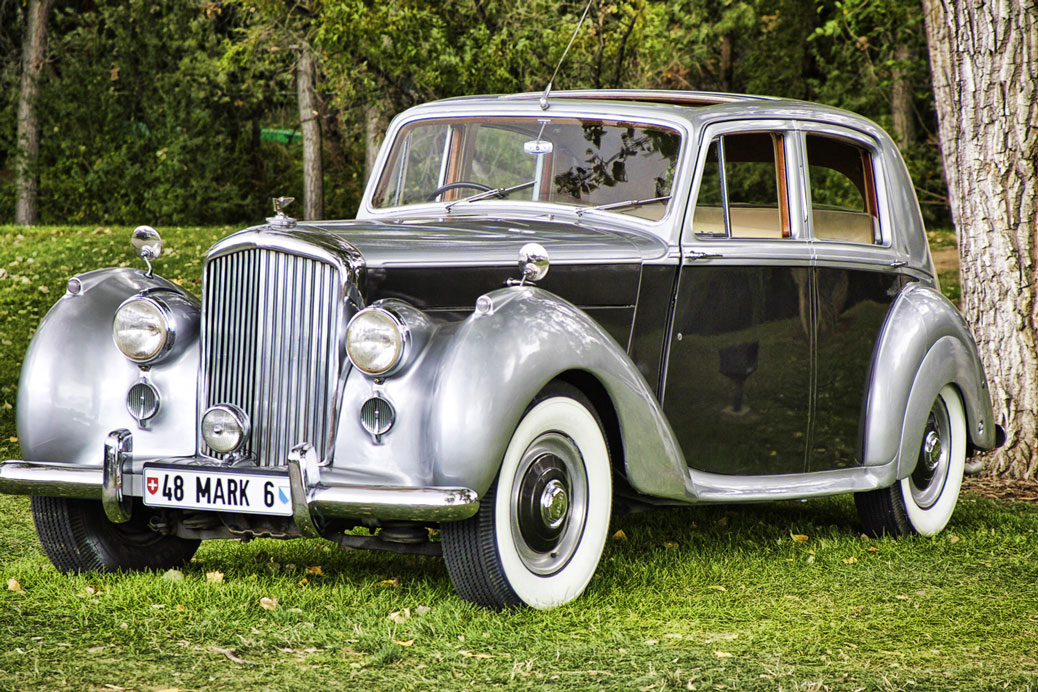 Outdoor car show season seems to be kicking off—except in Colorado right now, where it’s raining all the time—so in theory anyway there’s more photo ops available.
You don’t have to be an expert on a particular marque or even cars in general to make some great or even good photos, but you should be curious and polite when inspecting a car that might make an intriguing subject. People who own interesting cars will usually have some interesting stories to tell about their cars before it reaches the state where you would might want to photograph it. If you’re interested in making some nice photographs of classic and special interest cars, here’s a few tips that might help:
Tip #1: Ask owners if they wouldn’t mind removing any placards or signs placed under their windshield (windscreen if they’re British) wipers. If you see the owner, ask them. And always ask the owner before touching any part of his or her car! It’s best to have them to remove any show placards, so ask politely. Most owners can talk for hours about their cars because there never was a restoration project that didn’t have some unexpected twists and turns. If the owner is not around and the light is perfect, just shoot it as it is and try to select an angle that minimizes the placard or makes it easy to remove later with software.
 Tip #2: Whether it’s an indoors or outdoors show, arrive at the show early. That way you can see how the show is organized and make a plan on how you are going to approach photographing it. Another advantage of arriving early is that any of those placards I just mentioned may not have already been placed under the windshield wipers and another added benefit to being an early bird is that it’s also less crowded so people won’t be walking into your shot, at least not as many as will happen later in the day.
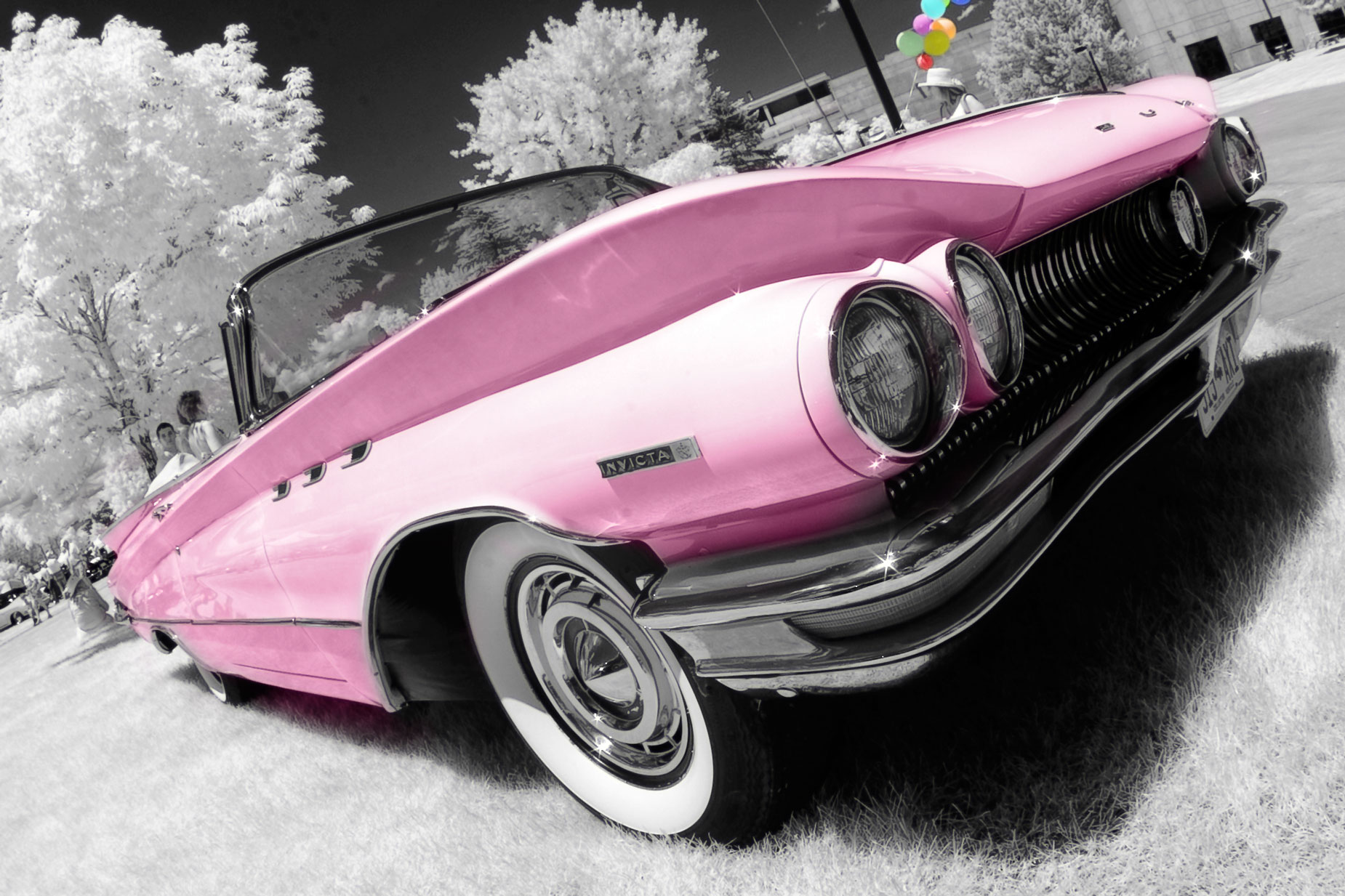
How I Made this Photo: The Buick Invicta convertible above was captured using a Canon EOS 60D that had been converted to infrared-only capture by LifePixel using their Standard IR (720nm) filter. It was hand colored in Photoshop using techniques that are explained here.
 Life Pixel does a great job with IR conversions and they have done most of the conversions for my Canon DSLRs and all of my Panasonic Lumix G-series cameras. This is not a paid or sponsored endorsement, just my experience.
My book, The Complete Guide to Digital Infrared Photography is available from Amazon with new copies available for $55 and used copies starting around five bucks, as I write this. Creative Digital Monochrome Effects has a chapter on IR photography and is available from Amazon with new copies a bargain at $5.95 and used copies selling for around four bucks, less than the price of a Starbucks latte.