
Today is Celebrate Your Unique Talent Day and is a day to accept and celebrate individual talents. Today is a day to accept these differences and to love what each of us has to offer, Whatever talent that may be, be sure to celebrate your talent today.
Today’s Post by Joe Farace
Ever since the 1860s when photographers traveled the American West and brought photographs of scenic wonders back to the people on the East Coast of America we have had a North American tradition of landscape photography used for the environment.—Galen Rowell
 In monochrome photography, each portion of an image records and shows a different amount of light but not a different color. These days, most of the monochrome photographs are black-and-white and are typically used for artistic purposes or technical imaging applications. To create monochrome images, other hues besides grey can be used. such as using brown or sepia tones, as in the featured image.
Monochrome images can be created with a 35mm camera using black and white film or as a digital photograph, either by direct monochrome capture mode, later converting a color image file into monochrome or, for those lucky few, capturing images using a monochrome-only camera, like the Pentax K3 Mark III Monochrome, that just happens to be my current dream camera.
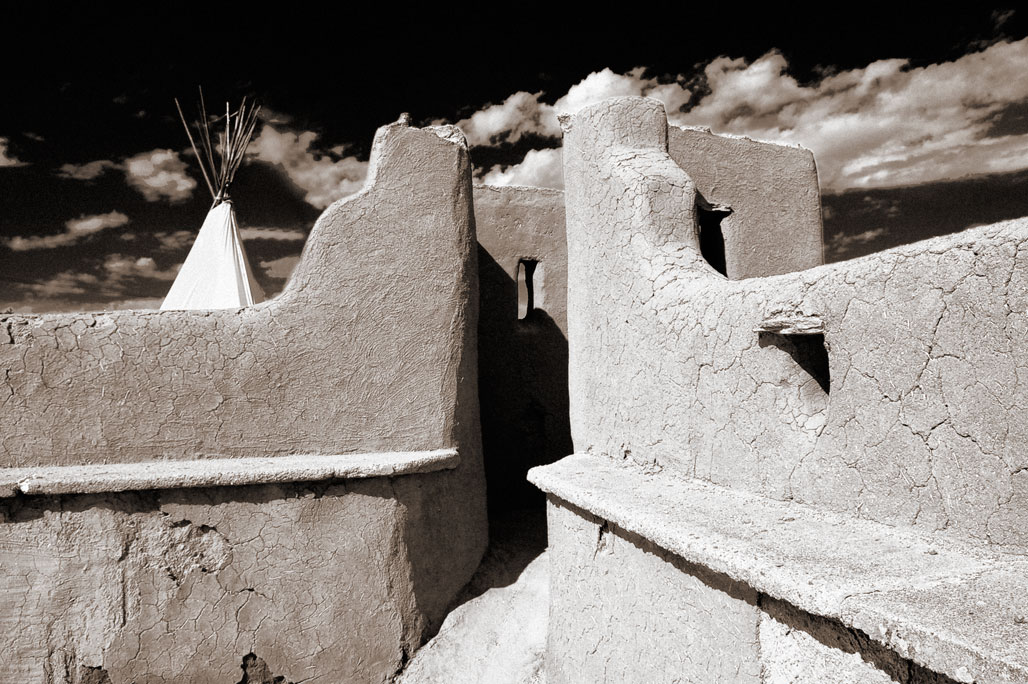
How I Made this Shot: This is a view of one corner of a wall of Fort Vasquez that appears to have been shot using an infrared camera but it is not. The camera used was the Pentax K100D Super and lens was the DA* 16-50mm f/2.8 set at 16mm. Exposure was 1/320 sec at f/7.1 and ISO 200. The image was captured as a color image file and converted to monochrome using Silver Efex and was sepia toned using PhotoKit 2, an amazingly useful Photoshop-compatible plug-in that has many more uses than toning. As the author of the Magic Lantern Guide to the Pentax K100D/110D, the image was made during the time I was writing the book, although the publisher seems to have omitted this particular image from its pages.
Fort Vasquez is a former fur trading post that was founded in 1835 by Luis Vasquez and Andrew Sublette, It is located 35 miles northeast of Denver and wasn’t far from my former home. Vasquez and Sublette built the fort after obtaining a trading license from William Clark, who was the Superintendent of Indian Affairs. Along with competition from other trading posts, they traded with other furriers, trappers, mountain men and Native American tribes including the Arapaho and Cheyenne. Unable to turn a profit, they sold Fort Vasquez to Lock and Randolph in 1840 who subsequently went bankrupt and abandoned the structures in 1842.
During the 1930’s, the fort was restored by the Works Progress Administration. The present day Fort Vasquez is located on Highway 85 near Platteville, Colorado and is a reconstruction of the original adobe trading post. In 1958, History Colorado took possession of the property and runs it as a museum to display exhibits of the fur-trade era.
If you enjoyed today’s blog post and would like to treat me to a cup of Earl Grey tea ($2.50), please click here. And if you do, thanks so much.
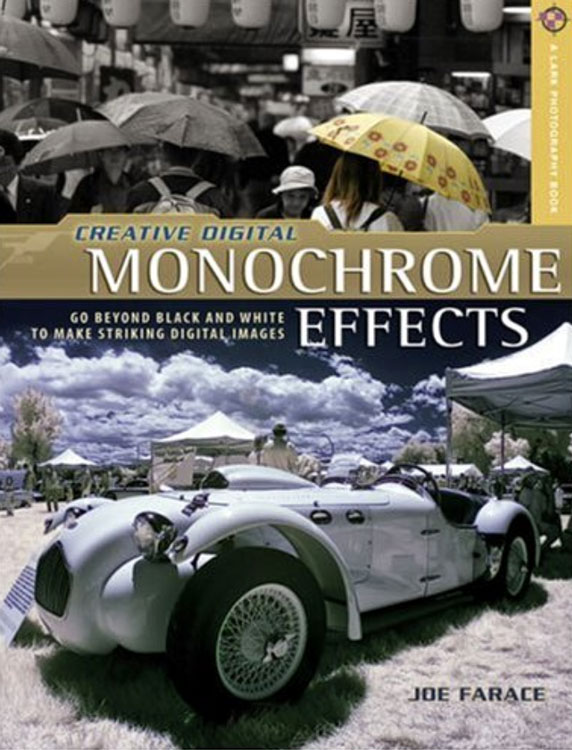
My book Creative Digital Monochrome Effects has a chapter on IR photography and is available new from Amazon for $11.46 with used copies starting around eight bucks as I write this.