
National Great Outdoors Month in June reminds us to explore our nation’s wildlife refuges, parks, and natural beauty. This National Month seeks to raise awareness of the accessibility of the great outdoors. I hope that, this month especially, you take time to head outside to enjoy nature.
Today’s Post by Joe Farace
“The earth laughs in flowers.” —“To Crop, or not to Crop, that is the question”—I think Shakespeare said that
One question I occasionally get from readers is: “After capturing an image, how much cropping do you do?” The answer is not as simple as I might have given a few years ago. The truth is that I don’t often crop an image, preferring to do it in camera but I do it much more than I previously did, Here’ the back story:
My aversion to cropping stems from all the time I spent shooting film, especially slides, back in the original film days and maybe for far too long considered considered the 3:2 rectangle to be sacrosanct. It’s still my default shooting crop with my DSLRs but for mirrorless cameras I am now shooting them in whatever their native aspect ratio is. For the image below, that’s 4:3. For a long time when shooting with Micro Four-thirds cameras I used 3:2 instead of the 4:3 that is standard* for cameras in the Micro Four-thirds system but I’m gradually getting over that kind of thinking too because I was throwing away a chunk of image quality because of my blindly following a format that wasn’t applicable to these kinds of cameras!.
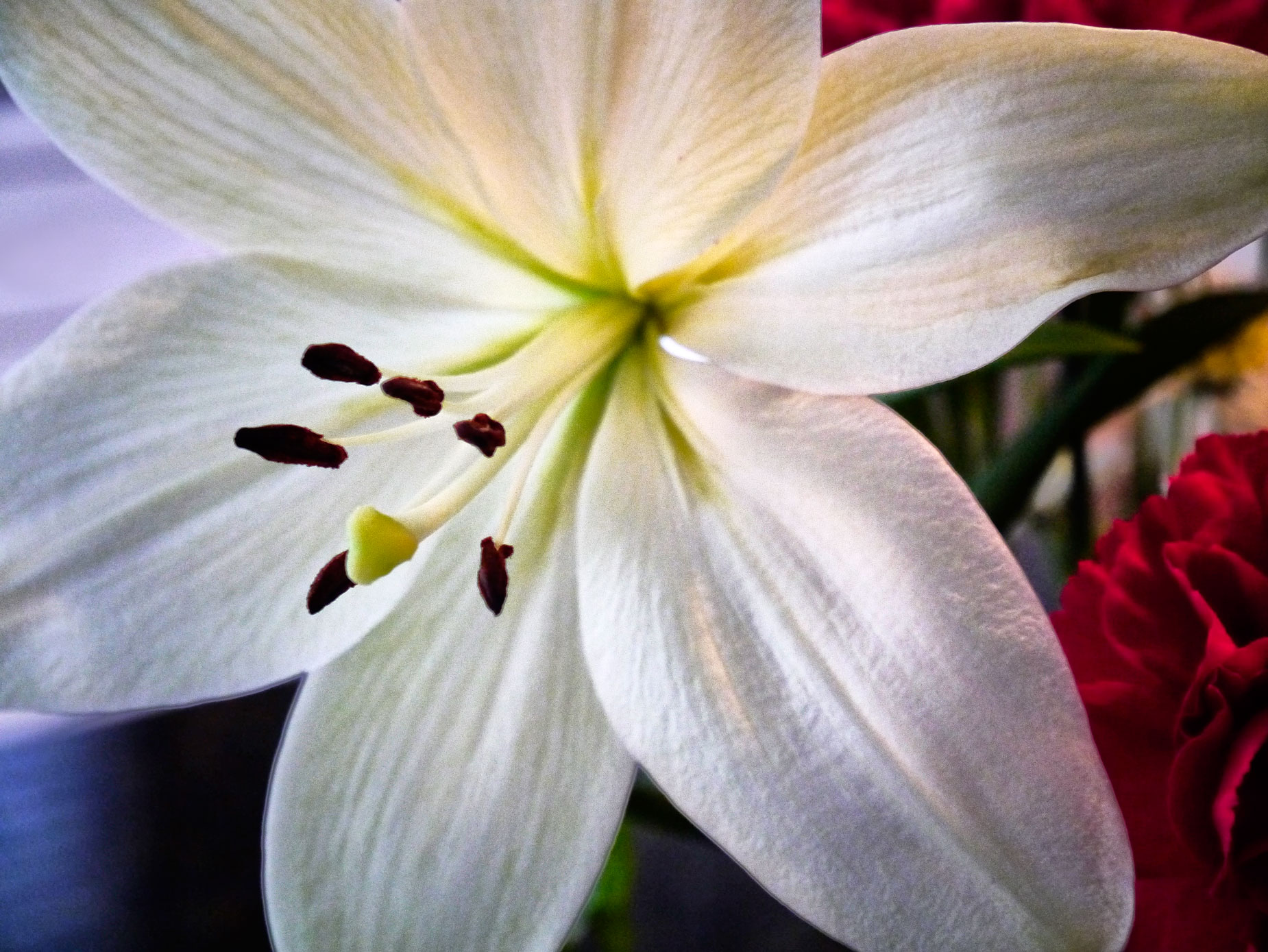
How I made this shot: I didn’t crop this image at all. I shot these flowers with my first Panasonic Lumix GX1, the original black body one that I bought from Japan, and a Lumix G Vario 12-32mm f//3.5-5.6 kit lens (at 32mm.) The available light exposure was 1/125 sec f/5.6 and ISO 1600. Its a tiny bit noisy but I think it adds to the texture or at least that’s my justification to myself. But then again, maybe I’m wrong.
To Crop and Crop
My philosophy about cropping was also influenced by the late Leon Kennamer, who once told me during a week-long class I took with him at the PPA’s original Winona School to “get it on the negative.” By that I think he meant the image on the film should represent the photograph you deliver to the client to hang on their wall. Initially I carried that “crop not, lest you be judged” philosophy over to how I shot digital images, although I would make allowances for trimming edges for unexpected surprises that were missed when making the shot. But as I just explained, I’m getting over this approach.
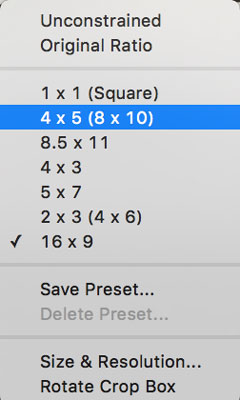
One of the features I like about Photoshop CS6 (and later) is that the Crop tool gives you the option of maintaining the original image’s aspect ratio or you can choose use a bunch of others. Because it reminds me of movies, I like the 16:9 ratio and will sometimes crop a photograph, especially landscapes, using that format.
 Two of my friends, who are outstanding portrait photographers and shoot with much higher resolution cameras than I own, crop their subjects loosely in-camera often capturing edges of the background, lightstand and sometimes even a studio light within the frame, Then they crop the final image into a shape that may or may not have any relationship to that of the original file.
That’s not my new approach but different strokes…That’s because my first DSLR was a 6.3-megapixel Canon EOS D60 (not a 60D) and to maintain the best image quality I didn’t like to crop because I didn’t have any pixels to waste. Even today with a massive megapixel race going on, Micro Four-thirds cameras seem stuck. The Panasonic Lumix GH7 is 25.2-megapixels. The Lumix GX1 I used to shoot the above image is just 16-megapixels and my highest resolution MFT camera is the Olympus Pen F at 20,3 megapixels. I will say this: the difference, in that format, between 20,3 and 16 is noticeable.
I am not suggesting that you shouldn’t crop your images, I just propose that think about the image quality you’re tossing into the bit bucket if and when you do. As my friend Rick Sammon always says, “The Name of the Game is Fill the Frame.” I think that’s good advice but like everything else on this blog, it’s something to think about, not something cast in concrete.
If you enjoyed today’s blog post and would like to treat me to a cup of Earl Grey tea ($2.50), please click here. And if you do, thanks so much.