
This post was written to call attention to how photography, especially film photography, might be a help for neurodivergent people, I am not a doctor or any kind of medical professional and the information here was collected from various Internet sources. If you or a loved one think they can benefit from accepting photography as a kind of therapy PLEASE consult your doctor for professional advice.
Today’s Post by Joe Farace
“Thinking differently has given me the tools to face chaos and failure.”― Everything is Going to be K.O.: An Illustrated Memoir of Living with Specific Learning Difficulties
Neurodiversity is the idea that it’s normal and acceptable for people to have brains that function differently from one another. Rather than thinking there’s something wrong or problematic when some people don’t operate similarly to others, neurodiversity embraces all differences.
The term neurodiversity was coined by sociologist Judy Singer, who is autistic, in 1997. Neurodiversity can be broken down into two categories of people: those who are neurotypical and those who are neurodivergent.
The concept of neurodiversity recognizes that both brain function and behavioral traits are simply indicators of how diverse the human population is. The idea of neurodiversity also seeks to frame these differences as ones that are not inherently “bad” or a problem; instead, it treats them in a more neutral manner and also highlights the many different ways that neurodivergence can be beneficial.

Neurotypical
Neurotypical refers to someone who has the brain functions, behaviors, and processing considered standard or typical.
Neurotypical people may have no idea they are different because the subject has likely never come up for them before. These people usually hit all of their developmental and behavioral milestones at the same times and ages that are considered standard for most people.
Once grown, they generally move through life without having to wonder if their brains function in the same way as others do.
Hobbies
 Neurodivergence is the term for people whose brains function differently in one or more ways than is considered standard or typical.
People have special interests because they help them to focus and connect with the world in a meaningful way. For neurodivergent people, special interests can be a powerful way to find others who share their passion and help them feel understood and accepted. Special interests can also provide a sense of purpose and satisfaction and can be a source of joy.
According to Shift Journal It seems that most types of collecting, especially in areas that demand a large amount of specific knowledge, attention to detail, and patience, are good candidates:
Books and collecting in one. Dimly lit and quiet inside. Just the musty secluded smell says it all. The musty scent of aging pages is a tried and true extrovert repellent but a delight to one who lives in seclusion.
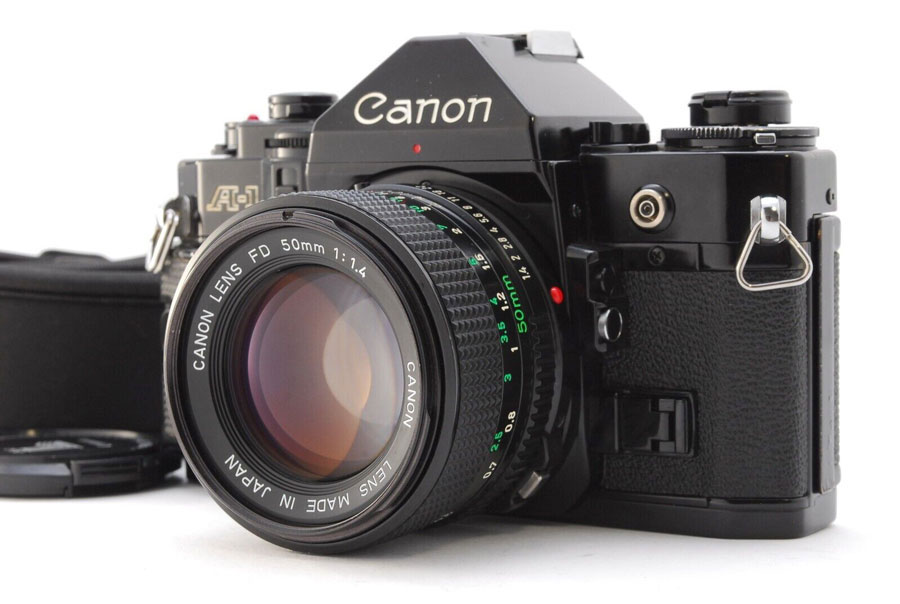
In compiling a list of 73 neurodiverget hobbies, Madisen Gowan number one was “Cameras.”
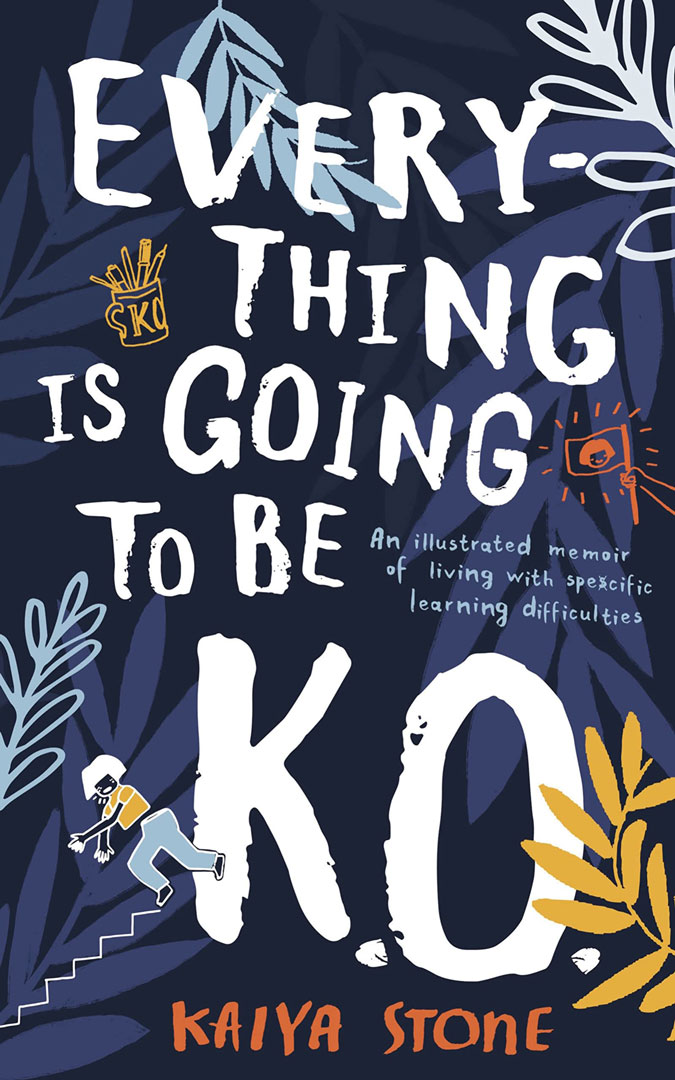
You can order a copy of Everything is Going to be K.O.: An Illustrated Memoir of Living with Specific Learning Difficulties from Amazon for $15.39 with used copies selling for about the same price, so…