
Today’s Post by Joe Farace
When we give cheerfully and accept gratefully, everyone is blessed.” — Maya Angelou
The publisher of several of my photography books once told me, “less that 20% of books received as gifts are actually read…” Occasionally, when I’ve received books as gifts, I’ll say “thank you” but never get around to reading them. It could be that I was not interested in the subject or the author but would never toss them out because I could never bring myself to make the giver think their gift wasn’t appreciated. I may not like the book but always appreciate the gesture‚
Looking a Gift Book in the Mouth…
…or being thankful for anyone who gives a gift books. During a recent visit to the Barnes & Noble store in Lone Tree, Colorado, my wonderful wife purchased two books for me and I want to talk about both of them.
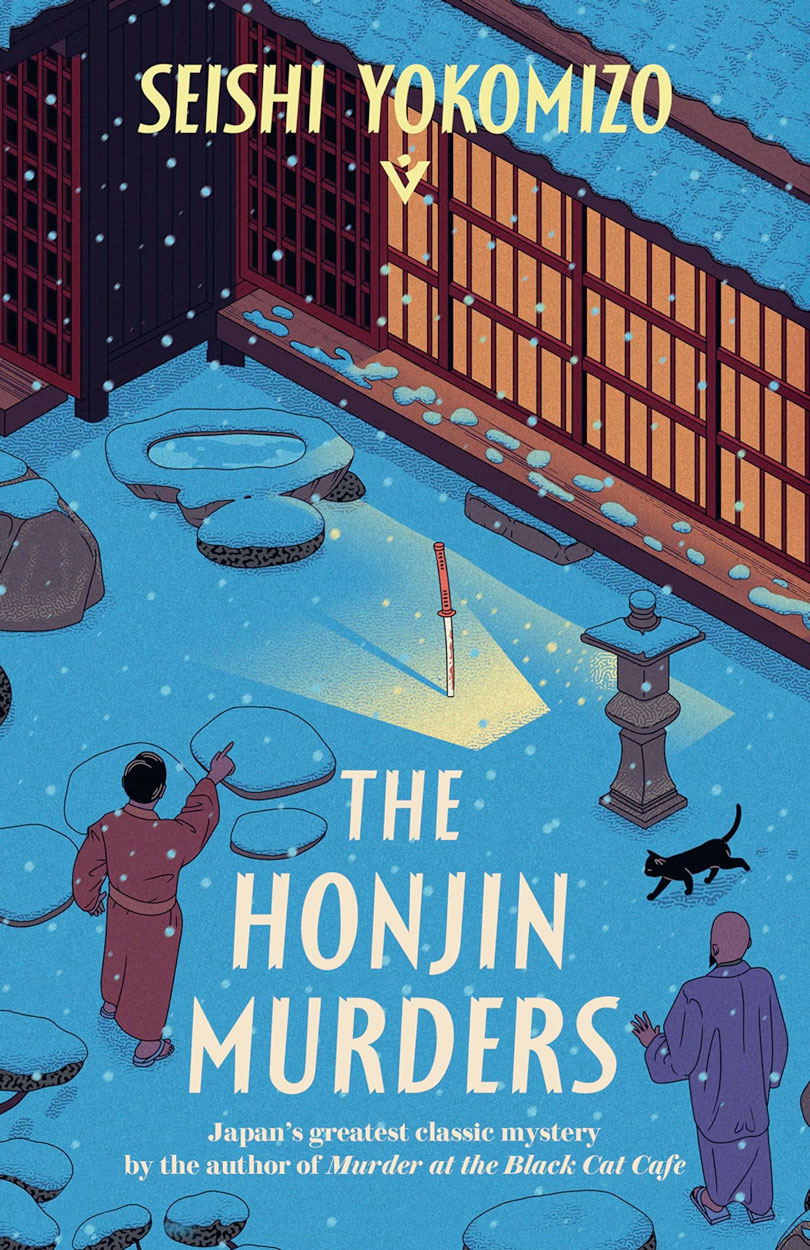 The first one is the slender 192-page The Honjin Murders by Seishi Yokomizo (1902-2081) who was one of Japan’s best-loved mystery writers. The story revolves around the murder of a couple on their wedding night. It is a classic locked-room mystery. I dislike locked-room murder mysteries because they seem like a literary puzzle box and I’m not a fan of puzzles.
The novel introduces amateur detective Kosuke Kindaichi, who the nice woman at Barnes & Nobles says was a “Japanese Sherlock Holmes.” I interrupt this review to go off on a tangent: Sherlock Holmes is officially recognized by The Guinness World Records as the most portrayed literary character in film and television history. Kindaichi might seem to be a Japanese interpretation of Benedict Cumberbatch in PBS’s Sherlock TV series but to me seems more the Holmes portrayed in the 2013 Russian TV show Sherlock Holmes (Шерлок Холмс) that appeared briefly on Prime. On a personal note, if you ever get a chance to see even a single episode of this innovative TV show, please watch it. It will unlock your inner Sherlockian. Back to the book…
Kindaichi does not even appear in the pages until you are 100-pages into the story. In the meantime, you are treated to the Watsonian prose that sets up the story including the background of each of the characters, including the murdered couple. While Yokomizo is a writer that has a warn, descriptive style, the Japaneses names may get confusing at times about who is who. Fortunately, the first pages of the book have a list of all of the character’s names who appear in the story.
When the shaggy-haired young detective arrives, he seemingly muddles around before solving the crime. This takes the author more than two chapters to explains how Kindaichi discovered who the murderer and his accomplices (maybe a spoiler) were. Halfway through these explanations I ran out of interest but because Mary gifted the book I was obligated to press on regardless.
I may not have enjoyed the book because I went into it with a skeptical attitude but you might if you’re a fan of the genre and enjoyed Edgar Allan Poe’s The Murders in the Rue Morgue that some people credit (or The Gold Bug) with inventing the modern detective story. If you enjoyed Agatha Christie’s And Then There Were None, you will probably enjoy the heck out of The Honjin Murders.
On The Other Hand
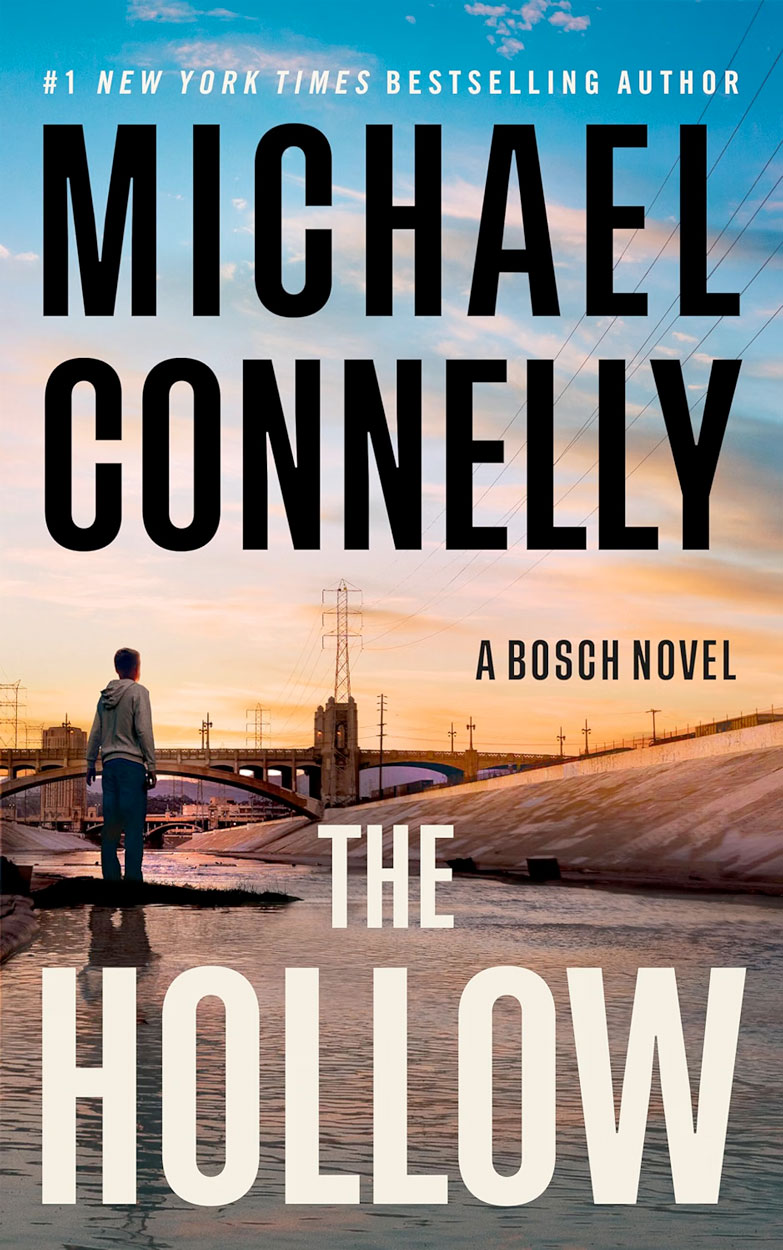 The Hollow: A Harry Bosch Novel by
To tell the truth I was certain that wouldn’t write another Bosch novel. He has aged Bosch, given him cancer and pretty much put him out to pasture. But I was wrong. Here the author combines flashbacks of Bosch’s life with a current cold case he’s working with Renee Ballard that is related to a murder that happened when Harry was a teenager stuck in a Dickensian orphan asylum, The story revolves around two real situations including the actual orphanage called MacLaren Hall where (fictional) Bosch was interned and a grisly murder case known as The Wonderland Murders that’s still unsolved. All of this is well integrated into a case that happening in the present. If it sounds complicated it is but is also easy and fascinating to follow. The book is full of twists and turns, proving that even after all these years, still has surprises up his sleeve, This is a captivating and engaging read. Highly recommended.
Another Flashback: Lightning Strike
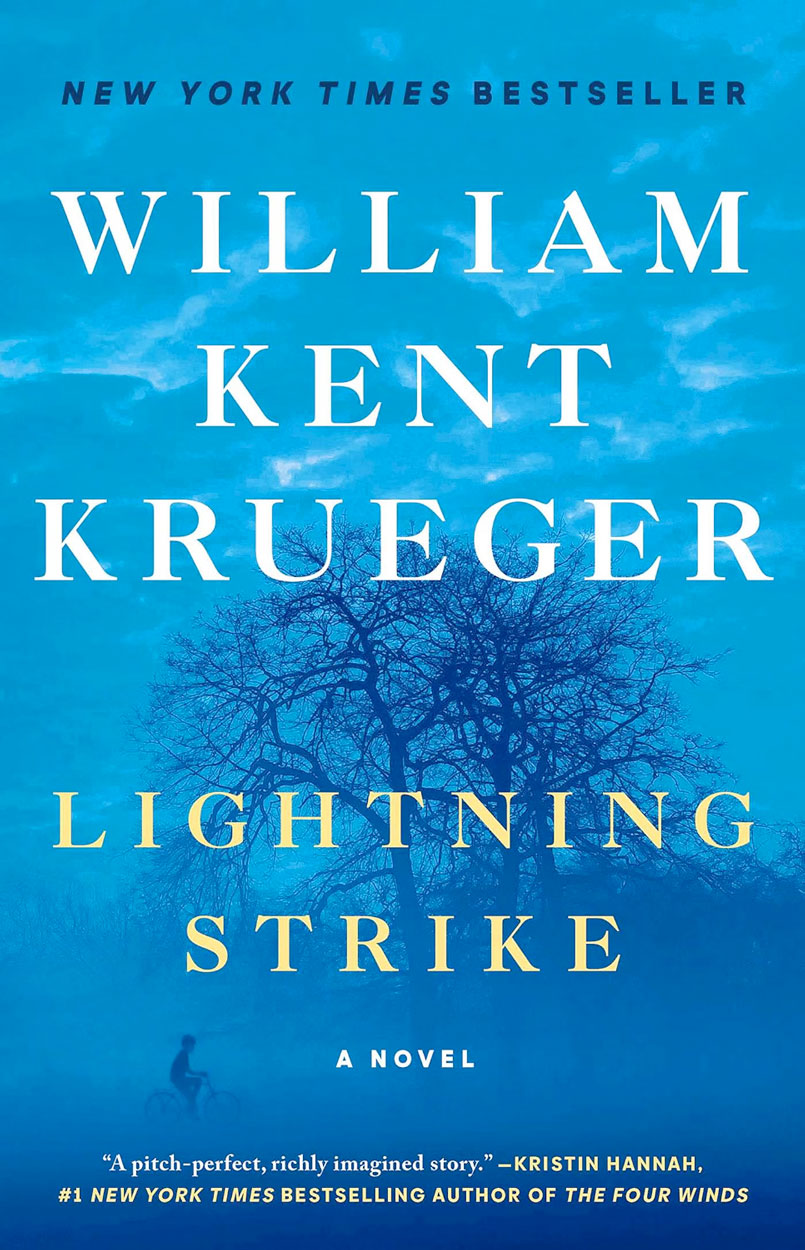 Much like The Hallow, William Kent Krueger’s Lightning Strike takes the reader back to a time in 1963 when the hero of his book series, Cork O’Connor, is a teenager. Cook’s father, Liam was the County Sheriff and when young Cork discovers a dead body in the forest, he gradually becomes involved in the case. Rather than Cork going all Hardy Boys on us, Liam O’Connor remains the focus of the story, while Cork plays an supporting role and most importantly, as the story evolves, Krueger makes you understand how the boy ultimately becomes the man who is the protagonist of the series.
In writing about a few of Krueger’ s Cork O’Connor other books, I recently said that one of them was the best book he had written. I tale that back, Lightning Strike is not just the best book William Kent Krueger has written but is the best mystery novel I’ve read during the past several years. The main plot revolves not just about the dead body Cork finds but also the murder of a young Native girl and along the way finding how these two deaths are related, All this is told in prose that is seemingly effortless, yet s emotionally moving, at times matching the impact of Archer Mayor’s The Ragman’s Memory in intensity.
Krueger weaves a plot that gradually builds suspense and while you may guess who the culprit is as the novel draws to a close, the author makes the finale thrilling in a most satisfying way. There is also an Epilogue and while regular readers of the Cook O’Connor series may already know its punch line, they may not have the details as are presented here. Highly recommended and if you haven’t read Krueger before this is the perfect book for you to start the series because it offers some in-depth information on some intriguing ancillary characters who are not alive n the novels when Cork is an adult.