
Happy Halloween everyone.
Today’s Post by Joe Farace
There are still some people out there who believe comic books are nothing more than, well, comic books. But the true cognoscenti know graphic novels are, at their best, an amazing blend of art literature and the theater of the mind.–John Ridley
I’ve been a fan of comic books since I learned how to read and I learned how to read early in my life. well before I attended first grade at St. Katharine of Sienna’s school in Baltimore. My parents taught me to read using the main reading material we had around the house–newspapers. At the time, it was The Baltimore News-Post, a daily afternoon newspaper that was published from January 1936 to January 1964. (Later it became the News-American and was published until May, 1986.) At the time, I didn’t understand many of the words and made up my own pronunciations and meanings before discovering comic books. They only cost ten cents so even a poor kid like me could afford then using money I made washing my Uncles Harry and Howard’s cars. All of which brings me to…
Push the Wall
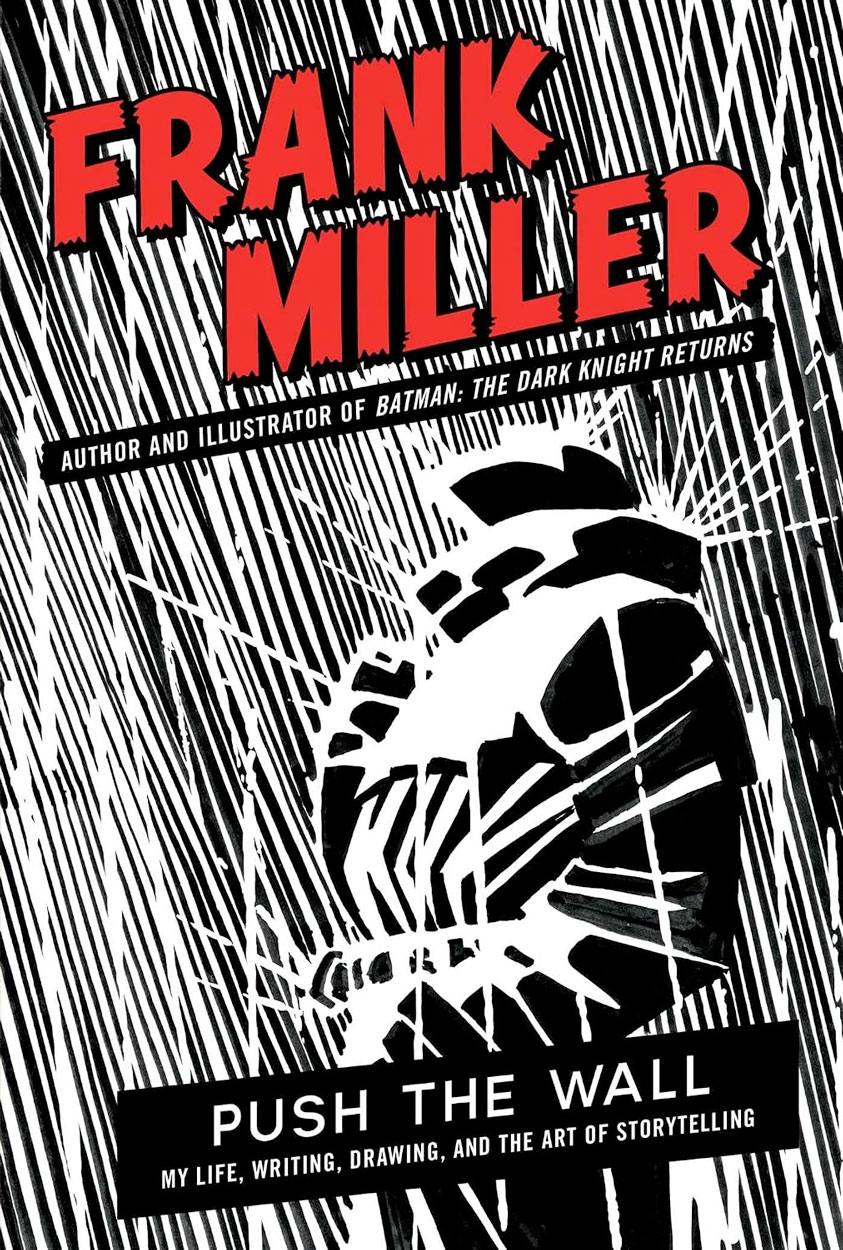 In the last chapter of the book club, I mentioned Frank Miller’s Push The Wall, a new book that combines how-to writing advice with autobiography and motivational writing. In fact it might be the creative writer and artist’s version of the famed 1937 book and is still in print, Think and Grow Rich by Napoleon Hill.
Push The Wall may not make you rich but it will surely inspire you. And while, to some readers, it might appear that Miller may occasionally be bragging about his accomplishments, I don’t think that’s the case. Why?
I urge anyone interested in this book to watch a documentary film on YouTube entitled The Man Who Changed Comics Forever. Take a look at how Miller interacts with his fans at conventions; He is humble and kind toward then and takes the time to look into his fan’s eyes and empathize with them. It is truly moving to watch. All of this is to urge any artist, and not just aspiring comic book writers and artists but any person who’s involved in creative pursuits, including photographers to not only read this book but to own a copy if it’s in your budget. Mine was a gift from my sweet wife, so maybe you might want to give a copy to someone you love during the coming holidays. Highly recommended.
Killer Conversations
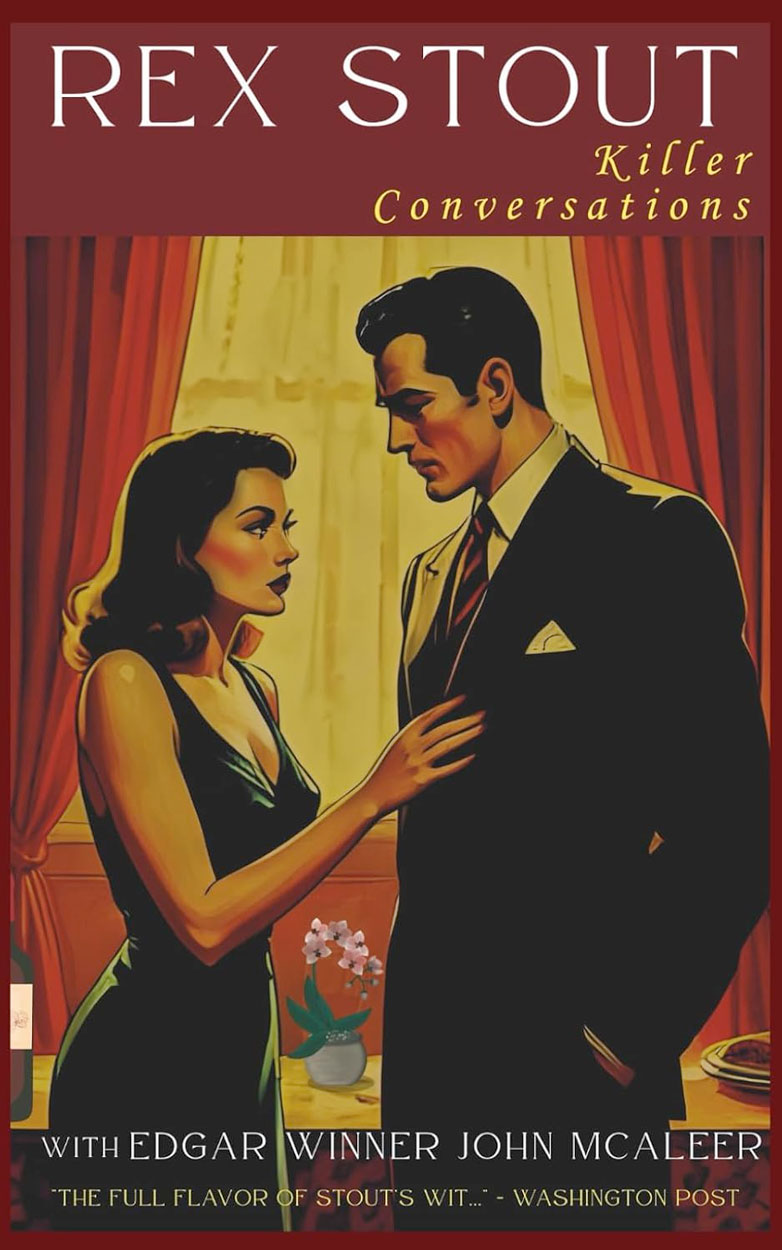 The next book I read–it’s Number 43 for the year–was another non-fiction book, Rex Stout: Killer Conversations, excerpts from a series of interviews done by John McAleer with the creator of Nero Wolfe, This is a slender and inexpensive 123-page paperback that for the first time, for me anyway, provides an insight into the mind and work habits of Rex Stout. He comes off as a bit of a curmudgeon but then that may be expected because these interviews occurred when he was in his eighties and most of his answers are brief, if not curt. Yet occasionally he will rhapsodize about an author he may love or hate or just something in the literary milieu that bugs him. Will this book give you a sense of the kind of Renaissance man that Rex Stout was? Maybe. It might be a little to condensed for that but it is nevertheless a pleasant way to spend a few hours. If you’re looking for something more in depth, you might be better served by McAlee’s 1977 621-page book, Rex Stout: A biography, if you can find a copy at an affordable price.
For Jonathan Kellerman Fans
In Chapter 69 of the book club, I mentioned I was looking g for a chronological list of Jonathan Kellerman’s earlier books and I’m still looking, Recently I received an email from Simon Roebuck, who said: “That is exactly the kind of chasing around a long-running series creates, especially once a few decades of titles pile up in different formats. Readers who dig that far back into a series are usually the ones who also want to know what is coming next. We track that part: https://onsaledates.com/
For those of you keeping score, I just finished Book 44 for the year. It was The Honjin Murders by