
Today’s Post by Joe Farace
This has been a cold winter. In fact, as I write this, is is zero degrees F here on Daisy hill. on the other hand, last weekend was so mild that I did manage to get in a test of some Kodak color negative film and a camera field test combined with a photo walk. Yesterday’s post about pushing and pulling film was the first in a series from those shoots. Look for more real soon now…
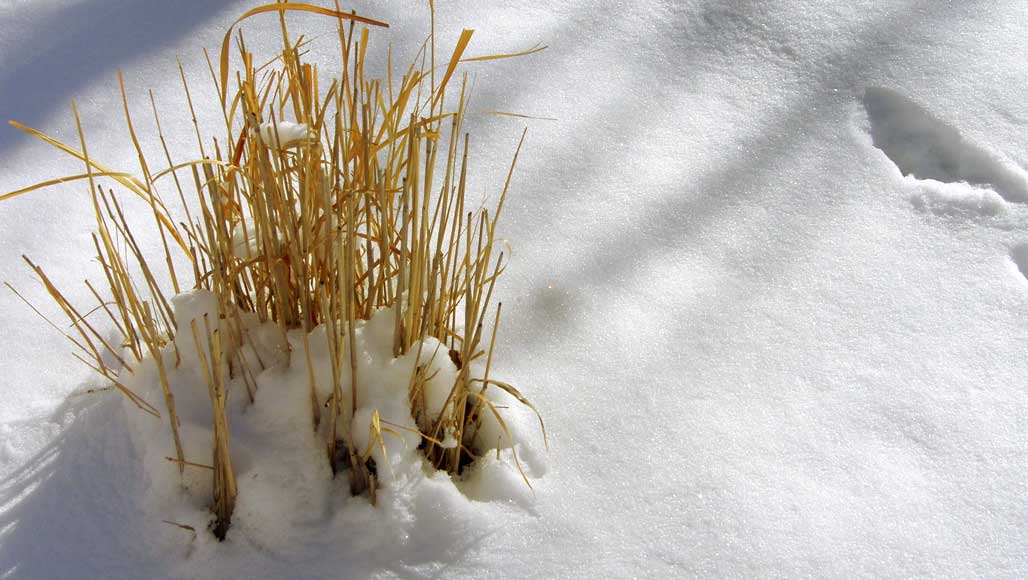
It’s typical in January to have some really cold days along the front range of Colorado—I’m not talking about the mountains where it’s always colder, even in the summer—but this winter seems colder than normal. January was the snowiest January in eight years and while almanacs predicted a milder winter there seems like we’ve experienced many more single digit and below zero degree F days than in previous February’s. And it’s affecting my film shooting. Let me re-state that: Other that last weekend, it’s brought it to a halt.
Why? I may be a wimp but you can get frostbite quickly at temperatures below 31 degrees F (or -0.55C) unless you wear appropriate clothing to shield you from the wind. Frostbite can affect any part of your body but especially your hands, feet, ears, nose and lips. The symptoms of frostbite usually begin with the affected parts becoming cold and painful. As for film and cameras, they will, theoretically anyway, be OK at 31 degrees F.
Most modern cameras with magnesium-alloy bodies can handle the cold weather better than the so-called plastic bodies like those on my Canon A-series 35mm SLRs. But lubricants in all cameras can thicken up and get sticky, especially with older models. There are a number of steps you can take to ensure your camera keeps going in cold condition
- Carry a spare battery or batteries and keep them warm.
- Turn off non-necessary camera features. This is bigger deal for digital cameras, than film models where there’s little to turn off, with the exception of the camera itself.
- Tip: You can re-warm batteries to reuse them
Film is another story: Storing film in the refrigerator may be a normal practice but there are two major problems related to shooting film at low temperatures.
- The first is that at really low temperatures, film can become brittle; so don’t rapidly advance the film in your camera when it’s really cold. If you bend it too much, it may actually snap, which means loading a film camera outdoors requires extra care.
- The second problem is the low humidity associated with cold air. Dry air lets static electricity build on the film’s surface, which may cause complications when rewinding the film. This can create a static discharge producing sparks inside the camera, which can leave marks on the film. The slower you wind and rewind, the less likely you are to run into problems from either brittle film or static discharge. So maybe less winder and motor drive action?
If you would like to send me a roll of film to review or any other stuff that could be used for these posts and my videos you can mail it to: Joe Farace, PO BOX 2081, PARKER, CO 80134