
Today’s Post by Joe Farace
“I sometimes wonder whether all pleasures are not substitutes for joy.” —C. S. Lewis
When using the substitution method of exposure, you replace an object within the scene you’re photographing with an object of known reflectance, such as a classic Kodak Gray Card (or equivalent,) and then take a reflected-light meter reading off that object. You can also substitute objects that match the light reflectance quality of the object in the scene. Don’t have a gray card? Back in the film days I used to take a meter reading off grass (if there was any in the scene) and just open up one stop.
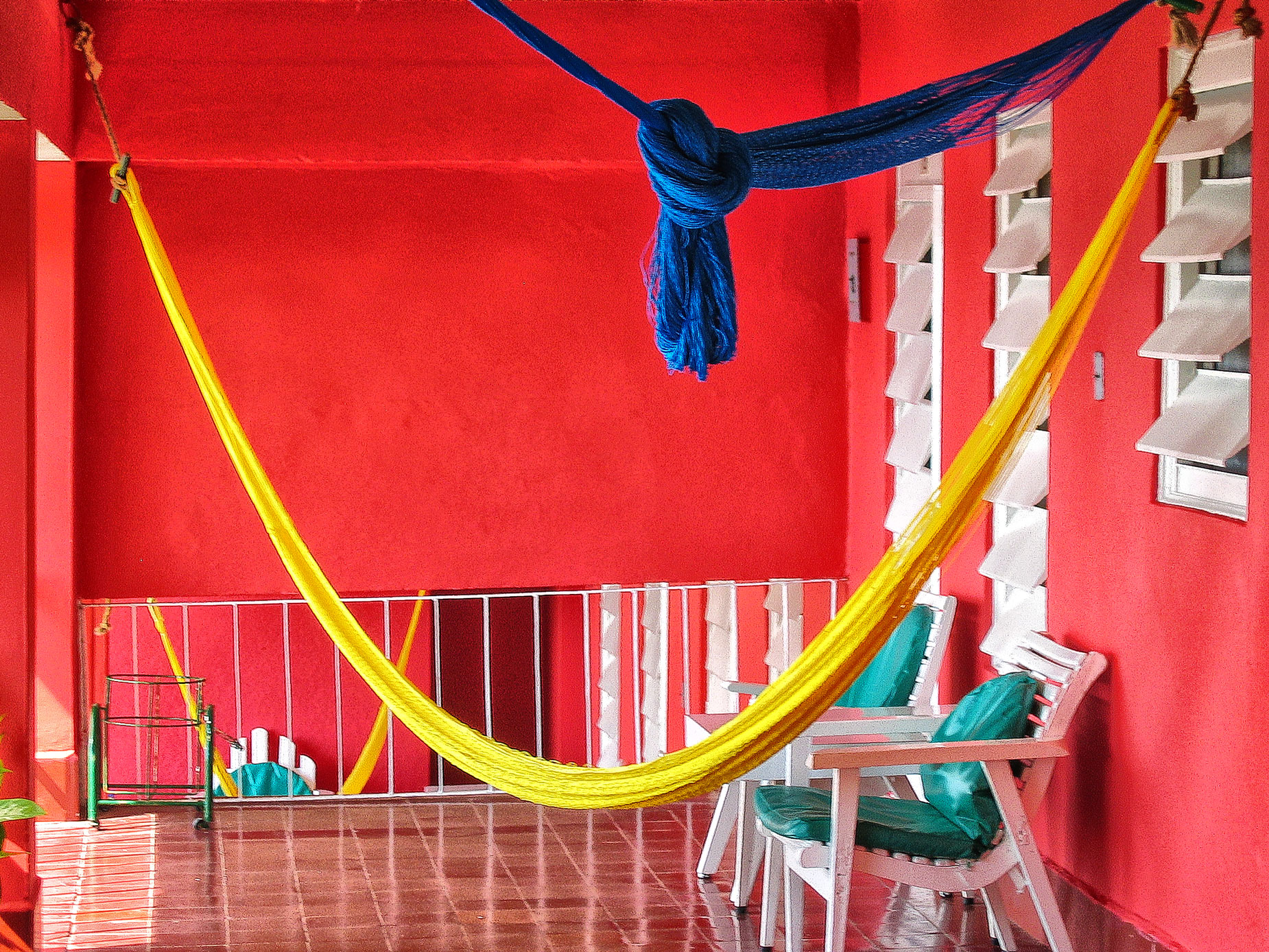
How I Made this Photograph: Fifty years ago, a group of investors led by Johnny Weissmuller created a hotel called Los Flamingos that was located on Acapulco’s high cliffs. Parts of that hotel, such as this lanai capture those feelings today and if the porch isn’t 18% gray it’s close enough for a substitute reading of 1/80 sec at f/4.9 at ISO 200. The camera used was a Canon PowerShot S400, the last PowerShot to use Compact Flash memory cards. I loved using this camera so much I bought one when returning to the US. PS. I still have and love this beautifully made point-and-shoot camera.
When pointed at a subject, reflected light meters are calibrated to give an accurate exposure when the reflectivity is somewhere near 18% gray; the exact value varies and the details are complex with some meters and cameras measuring 12% (the most common) and others at 14%. The whole 18% grey concept comes from Ansel Adam’s Zone System where he assigned Zone V as Middle Grey or 18% Grey.
By placing a Kodak Gray Card (or equivalent) in the scene to be photographed and taking a reading off of it with a reflected light meter, the photographer should be assured of consistent exposures but be sure to read the fine print instead of just accepting the reading you get as correct. The instructions that were packed with the original Kodak Grey Card contained the following advice about adjusting the meter readings made using it:
- Normal subjects: “Increase the indicated exposure by ½ stop.”
- Light subjects: “for very light subjects decrease exposure by 1/ stop”
- Dark subjects: “If the subjects is dark or very dark increase the indicated exposure by one to one and one-half stops.”
 How To Make Those Readings?
Many cameras have a feature known as Auto Exposure Lock that lets you lock the exposure from a different place than your final camera placement.
After locking the exposure with a button that, depending on your DSLR or mirrorless camera may or may not be all that conveniently located, (consult your manual for specifics) you can recompose the shot while maintaining the desired exposure setting. This feature is useful for backlit subjects but is also useful when photographing tricky subjects, such as one with lots of snow it it. Here’s how it works:
- Focus the camera
- Press the Exposure Lock button
- Recompose and take the picture. Some camera require you to continue to hold the Exposure Lock when you make the exposure so it may fee like you need three hands until you get the hang of it.
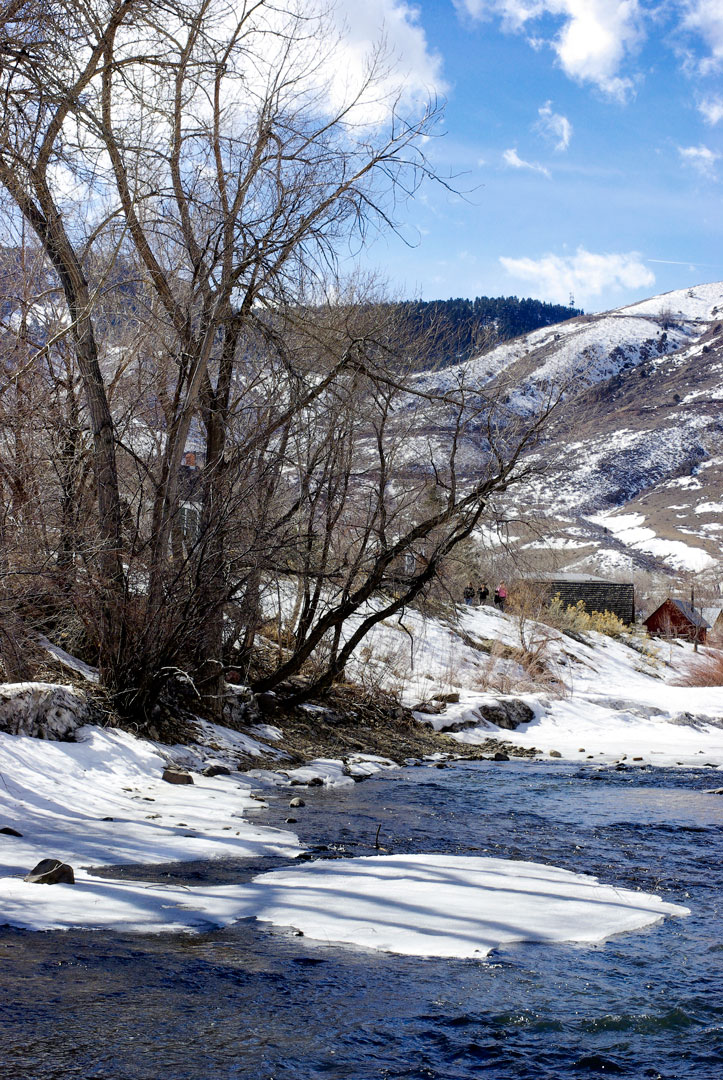
How I Made this Photograph: Don’t let those highlights from the snow confuse the exposure. I used the Auto Exposure Lock on the Pentax K10D to produce an exposure of 1/125 at f/16 and ISO 100 to capture this image of Clear Creek in Golden Colorado.
If you enjoyed today’s blog post and would like to buy me to a cup of Earl Grey tea ($2.50,) please click here. And if you do, thanks so much.