
Today’s Rant by Joe Farace
“The reason that clichés become clichés is that they are the hammers and screwdrivers in the toolbox of communication.” ― Terry Pratchett
Every photographer has heard this statement more than once: “That’s a really good picture, you must have a good camera.” Because he got tired of hearing that same lament, many years ago, the late and legendary Baltimore Sun photographer, A. Aubrey Bodine tossed this cliche in the bin when he shot an assignment using a Kodak box camera instead of the 4×5 camera he typically used. The results were stunning because it has always was true that it’s the photographer not the camera. Plus he was a magician in the darkroom.

How I Made this Photograph: The camera used for this available light macro image was a Leica R9 with a Leica Digital Modul R digital back attached. The lens used was 100mm f/2.8 APO-Macro-Elmarit-R lens that together with the R9 produced an exposure of 1/30 sec at f/22 and ISO 100. Years ago, I purchased a used Leica R8 in hopes that one day I would be able to afford a Digital Modul R but I never could and ended up selling the R8, which in hindsight was probably a dumb idea.
The Leica Digital Modul R was a digital camera back that was designed to fit Leica R8 and R9 SLR bodies. It had a10-megapixel Kodak-designed CCD sensor, capturing images at a resolution of 3872 x 2576 with a 1.37x crop factor. Like anything to do with Leica cameras it was an expensive product when new, Even now, if you can find one, a used one will cost close to $3000.
Being Prepared
When looking at a photograph of the Taj Mahal shot at sunset you might hear people say. “That’s a really good picture…” Is it? All we really know for sure is that the person who made the photograph could afford a trip to India. Too often landscape and travel photography gets treated like that old real estate adage, “location, location and location” or the old press photographer’s adage, “f/8 and be there.” But some times that last statement can be true. For example…
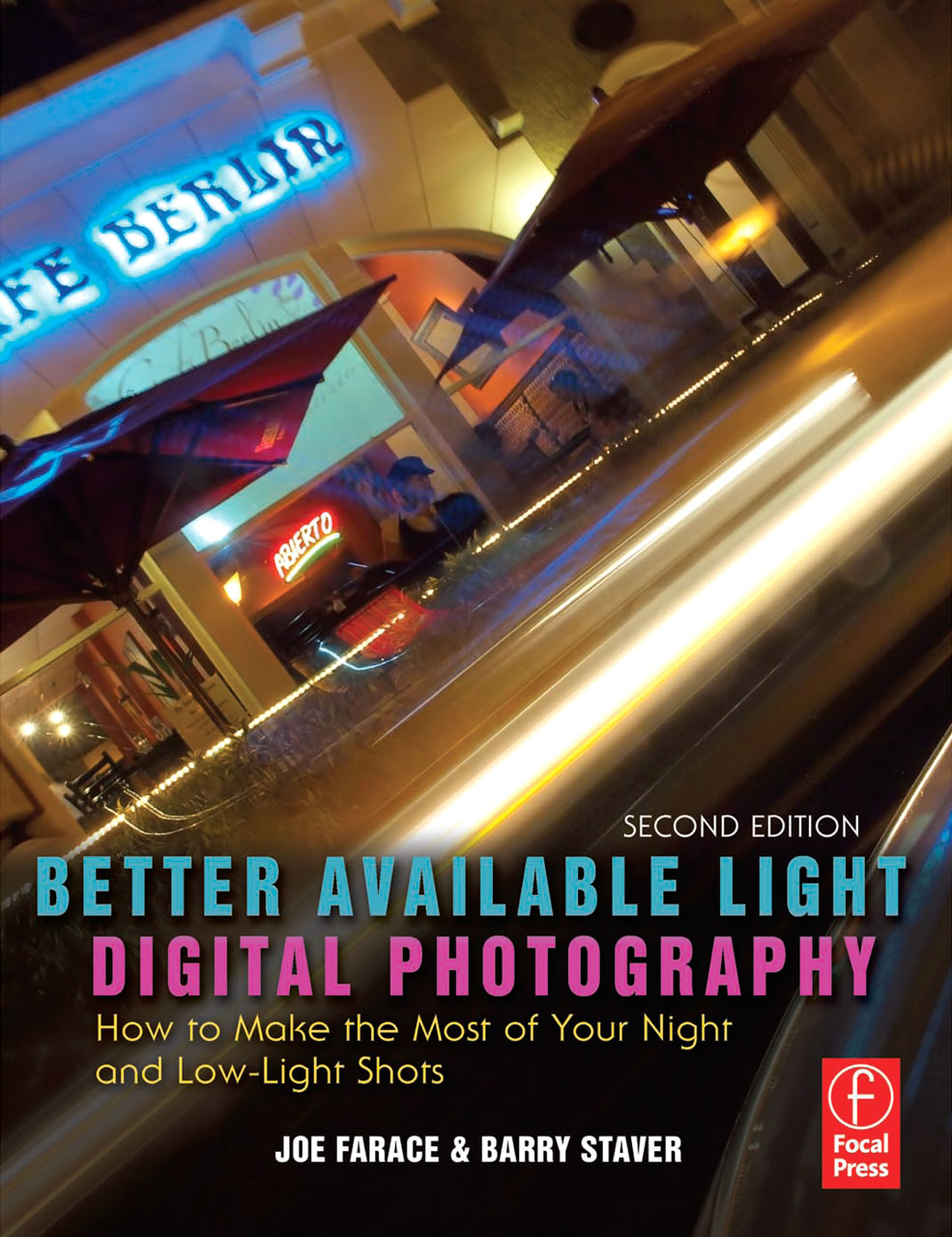
In our book,Better Available Light Digital Photography, my co-author and friend Barry Staver wrote, “Was Bob Jackson’s Pulitzer prize-winning photograph of Jack Ruby shooting Lee Harvey Oswald purely luck? Some have argued that Bob was in the right place at the right time and had his camera up and ready.”
“The Dallas Times Herald assigned two photographers to cover Oswald’s departure from the police station where he was being held. The first photographer was stationed in front of the police station where prisoners were normally brought out. Jackson was relegated to an out-of-the-way, seldom used entrance but the Dallas police decided to bring Oswald out that little-used underground entrance. The loud report from Ruby’s pistol startled Jackson and caused him to trip his camera’s shutter. Other photographers near him did not get the same picture. Jackson did not even know what was on the film until it was processed later and he held the negative up to the light. Lucky? Bob Jackson made his own luck that day. He stayed at his assigned spot, had his camera loaded, flash turned on, and had the camera up to his eye, ready to shoot.”
And now you really know the rest of that story.
If you enjoyed today’s blog post and would like to treat Joe to a cup of Earl Grey tea ($2.50), click here.
Along with photographer Barry Staver, Joe is co-author of Better Available Light Digital Photograph with with used paperback copies starting around seventeen bucks, as I write this.