
My Sunday Series on Outdoor Portraits remains remains on hiatus as I consider changing this day’s theme to Available Light Portraiture, which is what today’s post is about.
Today’s Post by Joe Farace
A portrait isn’t a fact but an opinion – an occasion rather than a truth.—Richard Avedon
If you’re a regular reader of this blog you know that, when writing about portraiture, I often quote the late Richard Avedon (1923-2004.) In addition to being, the preeminent fashion and portrait photographer of his time, Avedon created “portraits that bared the souls of some of the most important and opaque figures in the world.” He was also a believer in simplicity.
Less is More
 It should come as no surprise to learn that there are few, maybe no, real secrets in portrait photography. Instead, what you’ll find here and elsewhere on the Web are informed opinions based on the writer’s experience and stylistic preferences.
The recipe for creating available light portraits is well known and includes a few basic ingredients: High ISO, fast lenses, and slow shutter speeds. That’s it. You can sprinkle in some reflectors and add a dash of camera supports or maybe fill flash from a speedlight, as in today’ featured image but the main components remain the same. What matters most is the creativity that’s used in blending all of these elements together to create pleasant variations that separate your work from your peers.
For example, some photographers prefer softly lit images that are diffused with filters during the shoot or later during processing but you may prefer sharper, more saturated images. The choice is up to you.
Here’s another not-so-secret to help improve your portraits: If there’s any secret about creating available light portraits, it’s learning how to see the light falling on your subject, especially the range of shadows and highlights within a scene that’s often described as chiaroscuro as is “an effect of contrasted light and shadow created by light falling unevenly or from a particular direction.”
The best way to improve your portrait photography is practice. Try to photograph something, anything, really, every week until you get to the point where you don’t think about how to operate your camera; You just use it to create images. Don’t worry about producing masterpieces each time you go out. Instead, use your camera as a sketch pad to explore endless possibilities. Don’t be afraid of making mistakes. Sometimes these “sketches” will be successful, sometimes not, but don’t worry about it and learn from your analysis of the images.
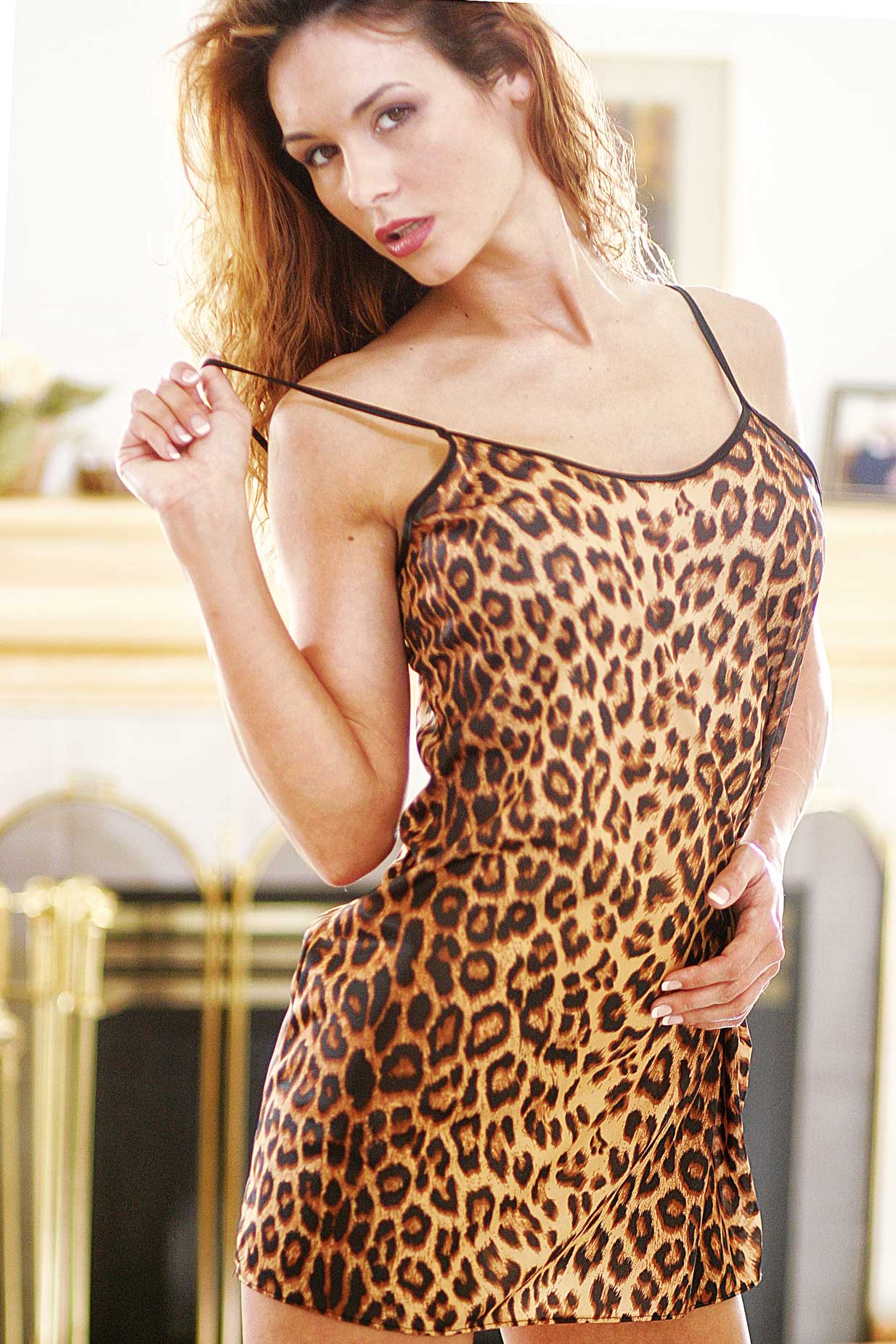
 How I made this portrait: I originally photographed Dusty twice for a client who produced calendars but I was also lucky enough to also photograph her during a private session in my former home, where today’s portrait was made. I made twenty-five shots on this sequence with her wearing this leopard print with slight changes in camera position and angle each time and two of them—including this one—I thought were pretty good. She liked all of them and was happy and we quickly moved on to other clothes and poses.
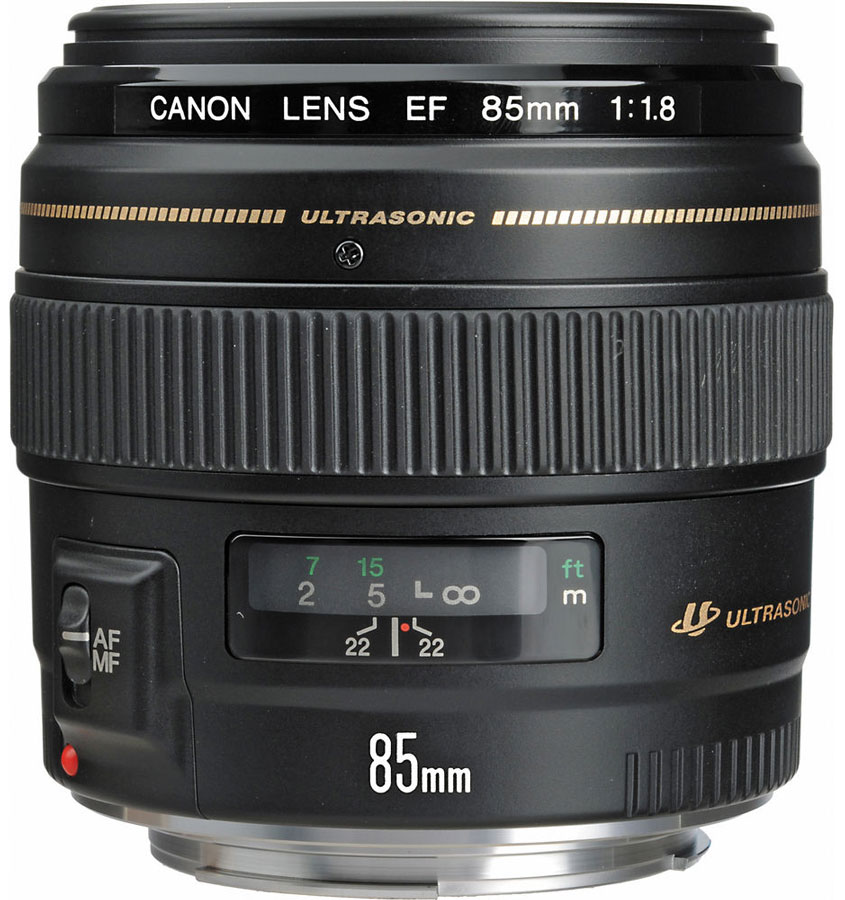
To make this image, I photographed Dusty using available light from two tall narrow windows in the living room of my former home. The backlighted (and somewhat underexposed) image was supplemented by a Canon 420EX speedlite The camera was a Canon EOS 10D with my go-to portrait lens, the Canon EF 85mm f/1.8 USM. The exposure was 1/45 sec at f/1.8 and ISO 400 with a plus one-half stop exposure compensation. That was not quite enough exposure so I used my technique for fixing underexposed portraits as explained in this post.
If you enjoyed today’s blog post and would like to treat Joe to a cup of Earl Grey tea ($2.50), click here.
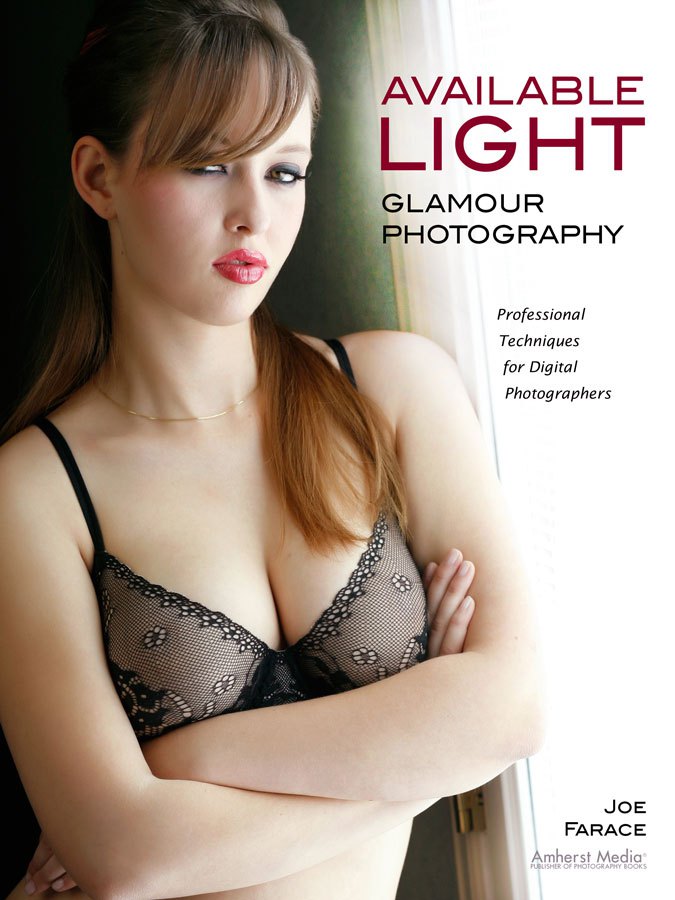
If you’re interested in learning how I shoot available light glamour portraits, please pick up a copy of Available Light Glamour Photography which is available9used starting around $19.78, as I write this. Kindle price is 27.69 for those preferring a digital format.