
Im consider revamping my daily themes for 2027 and one that’s heading for the chopping block is Monochrome Monday. That doesn’t mean I’m giving up on posts about Black & White photography. It just means the topic will be integrated in posts related to subject matter, such as Infrared, rather than being forced into a Monday time slot. Let me know if you want me to keep #monochromemonday.
.Today’s Post by Joe Farace
Life isn’t black and white. It’s a million gray areas, don’t you find?–Ridley Scott
 Monochrome photography is the art of capturing an image using different shades, tints and tones of a single color or a range of neutral tones, such as black, white and gray, instead of a full spectrum of hues. While black-and-white photography is the most common form, monochrome also includes single-color toned images like sepia (brown), cyanotypes (blue), or even green.
Monochrome vs. Black & White
Monochrome images can be fun but sometime you might want to add some color to your photographs but not too much! That’s when using your DSLR’s or mirrorless camera’s digital toning modes come in handy. When selecting the direct Monochrome mode, your camera typically lets you apply different digital toning effects including Sepia, Blue, Purple, Green, or none. Digital filters and toning can even be applied together and since you get to see the results right away, you can decide if you like the effect and want to make any changes.
Not every photograph needs to be in color. Sometimes a black and white or toned monochrome image can tell a better story. There is no one-size-fits all approach to what digital toning effect works best! It all depends on the subject, the original colors in the image (if you want to provide a visual hint) and the mood you’re trying to achieve. When’s the last time you heard the words “mood” and “digital” in the same sentence but that’s what the in-camera direct monochrome option and toning capabilities is all about.
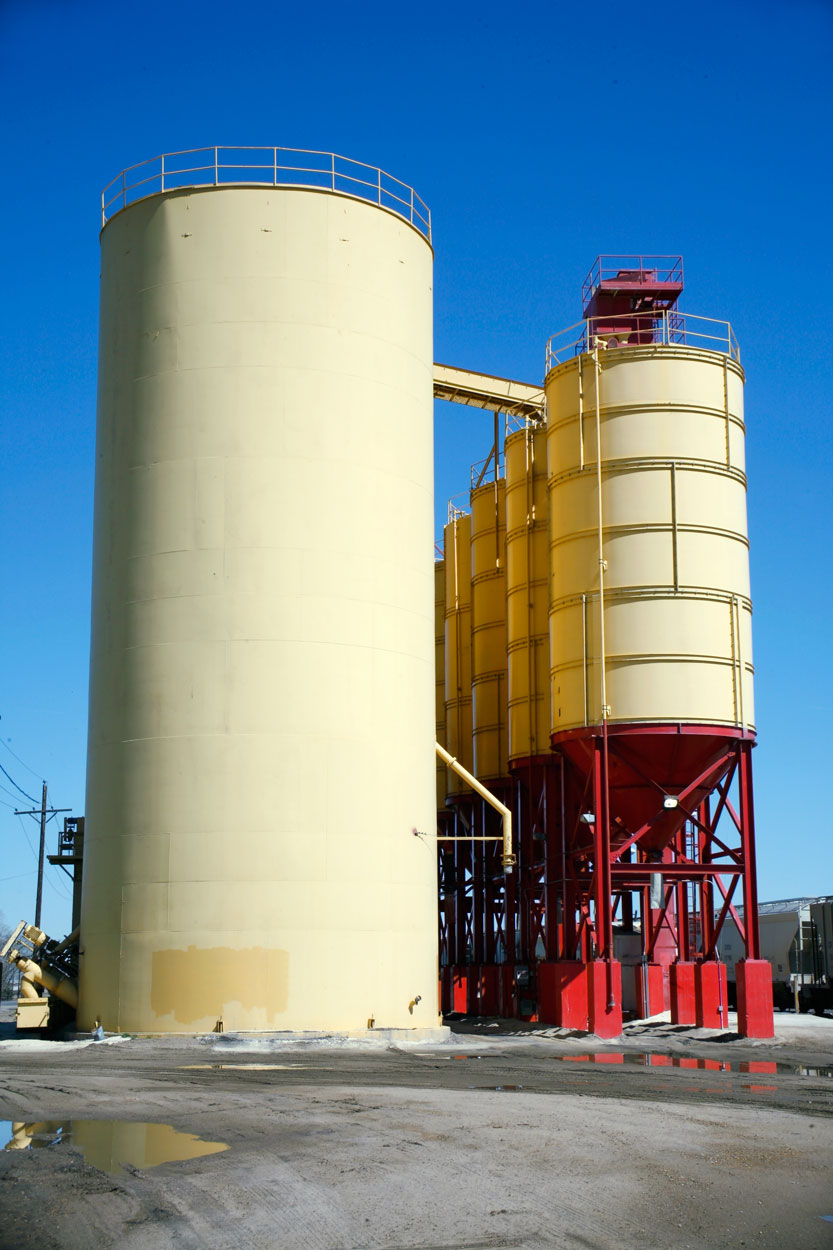
 At above right: This rail side location near Brighton, Colorado was used in the making of the 1996 Bill Murray film Larger than Life and because of the bright color scheme was one of my favorite places to make photographs when I lived nearby. This reference photograph was made with a Canon EOS 5D Mark I with an EF 22-55mm f/4-5/6 zoom lens at 55mm. The exposure for it and all subsequent shots in this series was 1/80 sec at f/20 at ISO 125 with a minus one-third stop exposure compensation.
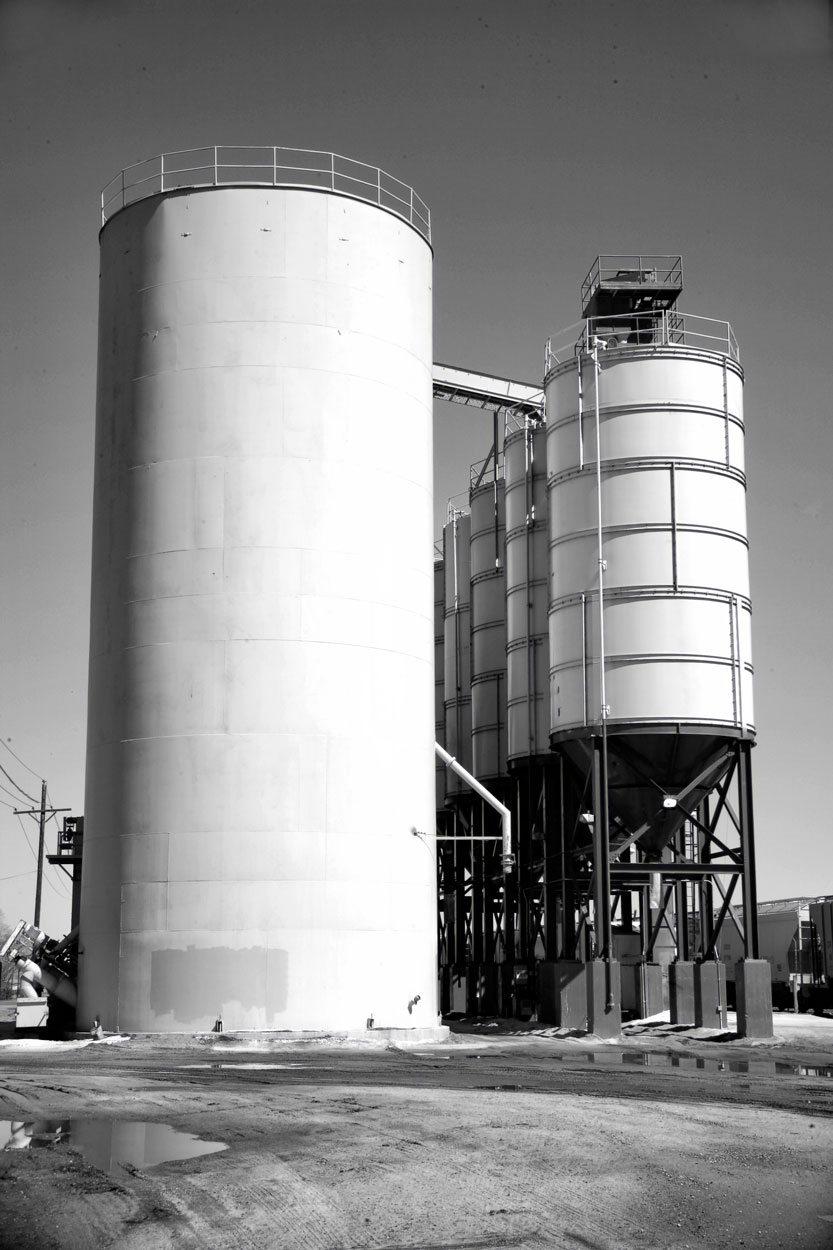
At Left: The photograph was capture In standard Direct Monochrome mode with no color filter selected. This image looks like it could have been appeared in a local newspaper circa 1950’s.
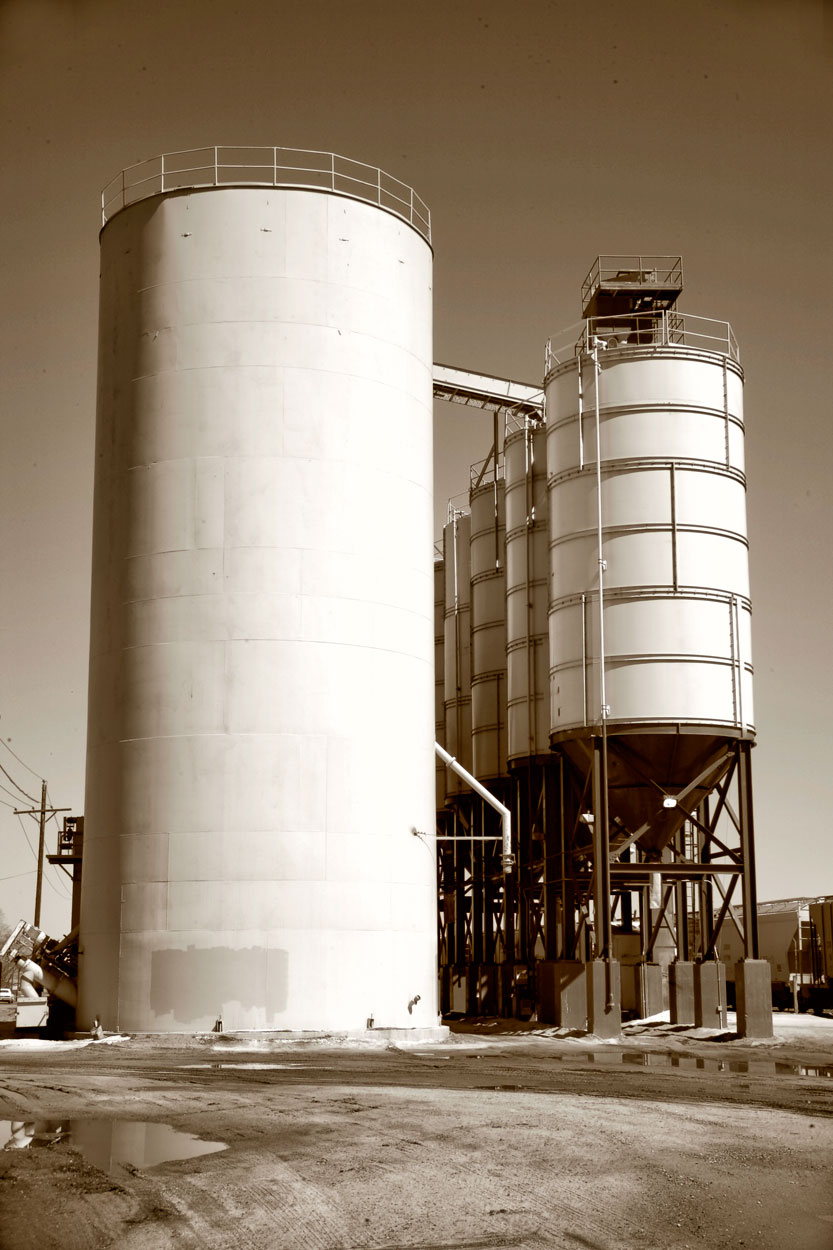 A sepia photograph is a monochrome image tha, instead of standard black-and-white grayscale, is rendered in warm reddish-brown and tan tones, Monochrome tone is supposed to evoke a soft, dreamy, nostalgic, and antique appearance. One thing that I’ve noticed about sepia toning is that each camera brand seems to have its own idea of what “sepia” should look like with some cameras leaning more toward orange and others toward brown
At Right: The use of the EOS 5D’s Sepia toning option, for example, like the other digital color tones (and filters for that matter,) does not change the exposure of the image and produces a wonderfully nostalgic effect. This exposure is identical to that of the full color image because it is, after all, still an RGB file.
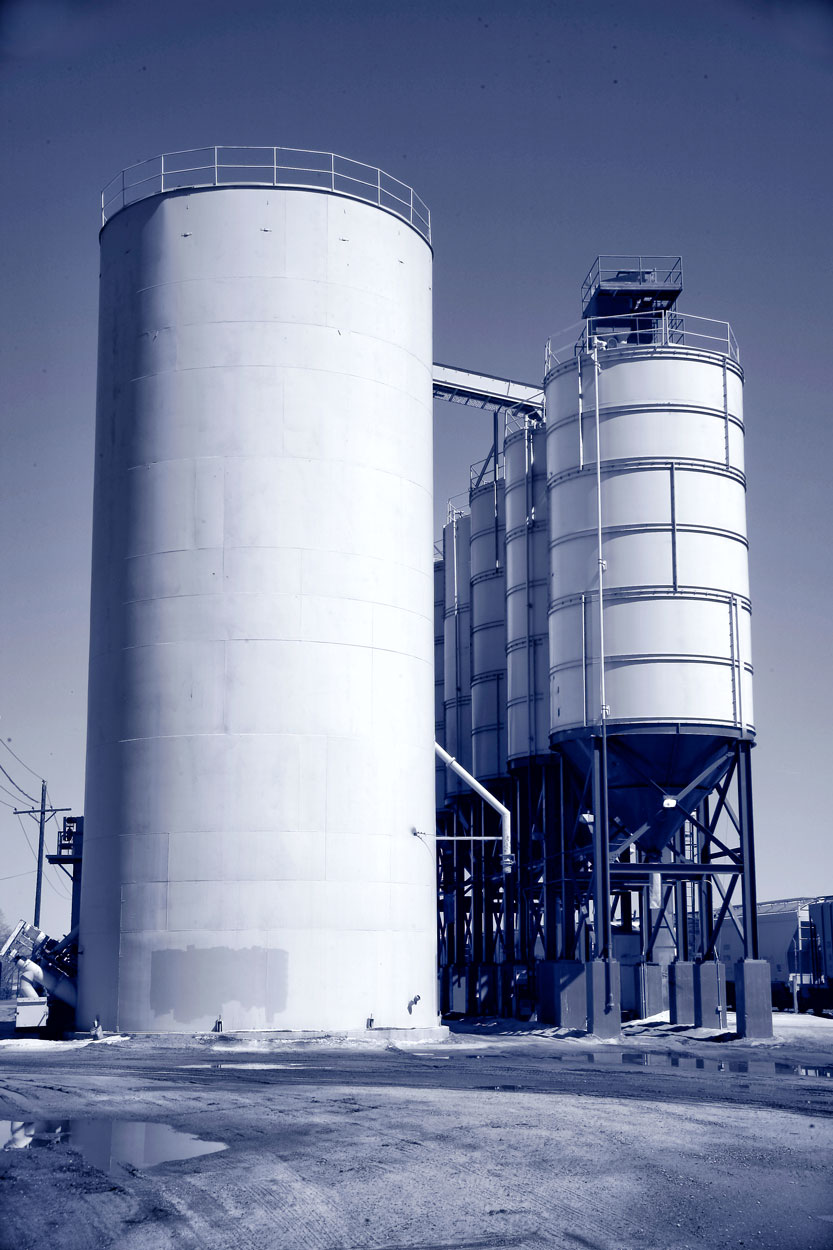 At left: A classic Cyanotype print is a slow-reacting, camera-less photographic printing process that produces a rich, monochrome Prussian blue image.
A real cyanotype, not a digital version, creates distinct blue print lool sometime known as a “blueprint” with white or lighter silhouettes where light was blocked. Depending on the subject matter, a blue toning effect would apply a wonderful cyanotype look to an old or pseudo old portrait

If you enjoyed today’s blog post and would like to treat me to a cup of Earl Grey tea ($3.50), please click here. And if you do, thanks so much.
My book Creative Digital Monochrome Effects is available from Amazon and (I think, anyway) is a fun read. There’s even a chapter on infrared photography. It’s available for $13.78 but bargain shoppers can pick up used copies starting at around seven bucks. No Kindle version is available at this time.