
Today’s Post by Joe Farace
Look and think before opening the shutter. The heart and mind are the true lens of the camera.–Yousuf Karsh
A camera’s metering mode determines an image’s exposure, which, if you’re a regular reader, know that’s the number one question I get at workshops and photowalks. Many modern cameras allow you to select between spot, center-weighted average, or multi-zone metering modes. These different modes let you select one that’s most appropriate for use under specific lighting conditions. But, as I’ve often said, in complex light situations I always suggest you switch to manual mode, rather than depending on a setting that was determined by the camera.
What are Your Options?
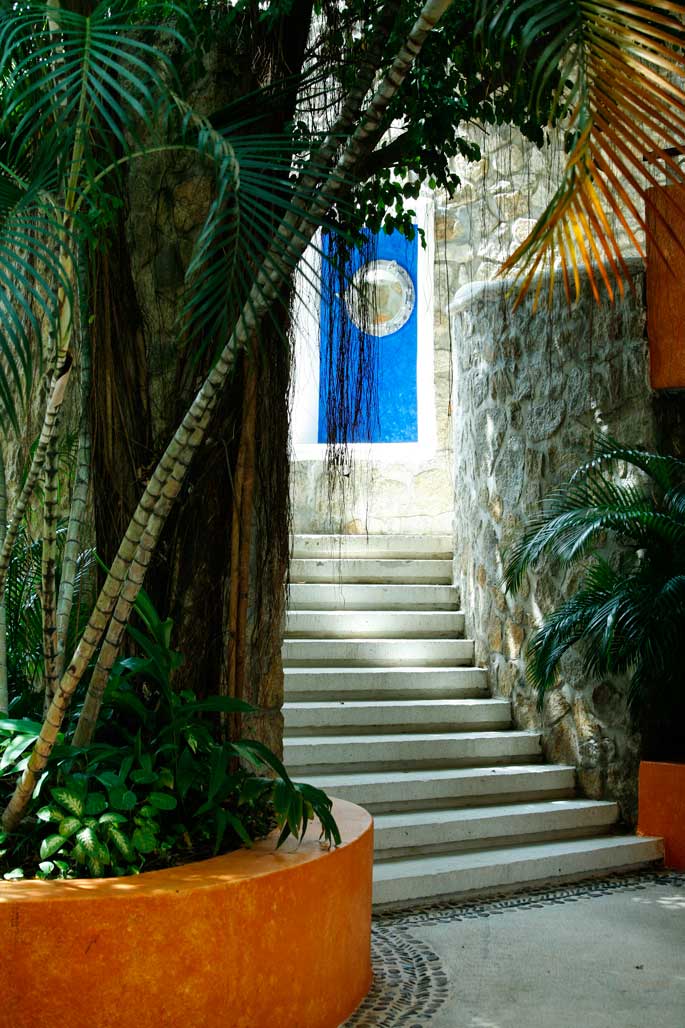 The most common methods that DSLRs and mirrorless cameras offer for measuring how light is reflected in a scene include:
Multi-segment: This system, sometimes called multi-zone or matrix metering, divides the camera’s viewfinder into multiple (the number varies by camera) segments. The camera’s processor determines the overall lighting levels, including front and back lighting and sometimes the color in each portion and compares it to a database of similar scenes to determine the final exposure. Some systems also integrate data from the focusing point used, subject size and distance. For many cameras this is the default settings and 90% of the time it works fine for the average photograph. The other 10%? That’s covered in tomorrow’s post.
How I made this photograph: This photograph was made at the Acapulco Yacht Club and was captured using a Canon EOS 5D Mark I’s Evaluative Metering system that links to the camera’s nine autofocus points. The Program mode exposure was 1/125 sec and f/5.6 at ISO 320.
Center-weighted: This classic method measures light and is typically weighted (75-80%) toward the center of the focusing screen. It was an improvement over earlier camera’s built-in meters that took an average of all light values that were visible in the screen and could be heavily influenced by extremely dark or light areas at the edges or corners of a potential image. The best conditions for using the Center-weighted metering is when the main subject covers a large portion of your photo but this mode does not compensate for backlit scenes. The next one does…
 Spot metering: When using this metering mode, brightness is measured within a limited area (often one to three percent of the frame) within a circle usually placed in the center of the focusing screen. You can use this type of metering for backlit scenes by placing the spot on the subject and not the background.
Photographing a performer on stage or a speaker at an event that’s illuminated by a spotlight is a good example of when to use spot metering as is the runway model I photographed during New York;’s Fashion Week at left. The secret of using spot metering is to place the spot where you want it, while keeping in mind the metering system’s inherent limitations.
How I made this photograph: New York Fashion Week runways are lit for video coverage and no flash is permitted, ostensibly for the model’s safety. Spot metering is important for runway photography that must be shot using available light and the spotlighted model is set against a dark, sometimes black background. The camera used was a five-megapixel Olympus E-1 that used the Kodak CCD sensor that is renown for its filmic look. The exposure was 1/250 sec at f/3.5 and ISO 400 in Shutter Priority mode to minimize any subject motion from the models who walk briskly down the catwalk.
 If you enjoyed today’s blog post and would like to treat me to a cup of Earl Grey tea ($3.50), please click here. And if you do, thanks so much.
Along with photographer Barry Staver, Joe is co-author of Better Available Light Digital Photography with new copies available for $24.50 or used copies for around seventeen bucks from Amazon, as I write this.